Topic Hub
The Strait of Hormuz Crisis: Full Coverage
The world's most important oil chokepoint, the 2026 escalation, and the markets that move with it.
Roughly a fifth of the world's oil and a large share of its liquefied natural gas passes through the Strait of Hormuz — a waterway narrower at its tightest point than the English Channel, with no pipeline network capable of replacing it. That geography is why a regional confrontation becomes a global economic event within hours.
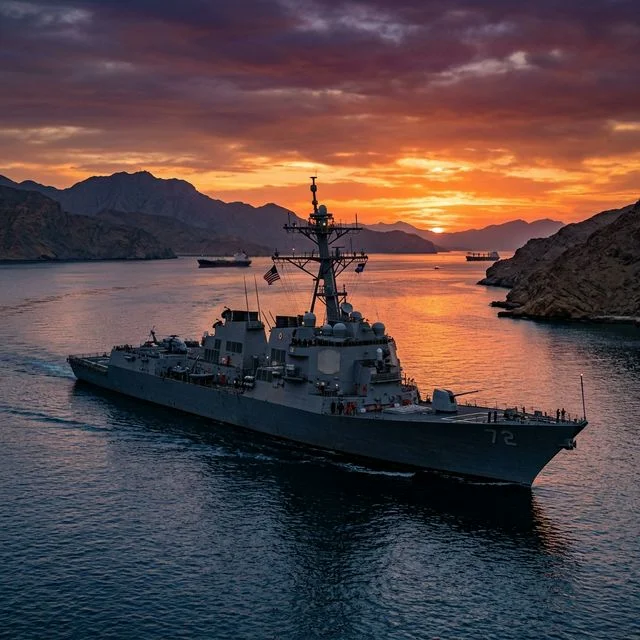
Through 2026 the strait has moved from risk premium to active crisis: attacks on commercial shipping, successive waves of US strikes, an Iranian declaration that the waterway is closed, and an American blockade of Iranian ports. Insurance markets have often reacted faster than navies — war-risk premiums can halt traffic as effectively as any blockade.
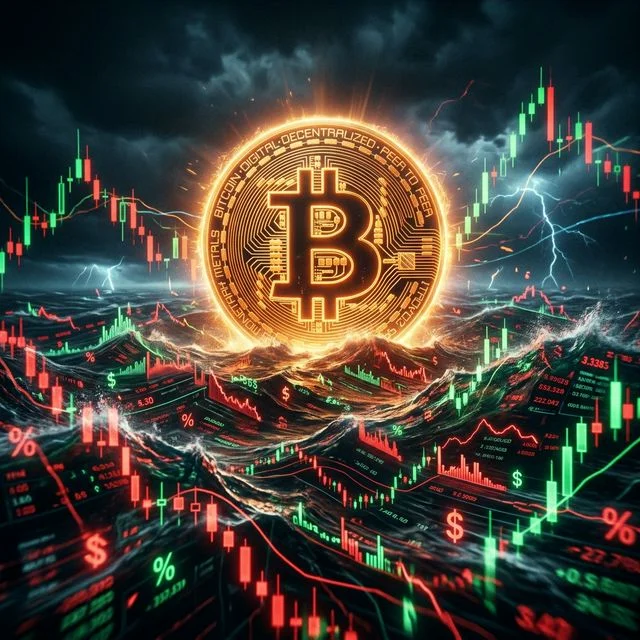
This hub tracks the escalation itself and its transmission into oil, equities, and crypto, where the same shocks show up within a trading session.
Last updated July 24, 2026 · 8 articles in this topic
New to this topic?
Start here: Iran Declares the Strait of Hormuz Closed
All our coverage





Frequently asked questions
Why is the Strait of Hormuz so important?
Around 20% of global oil supply and a significant share of liquefied natural gas transits the strait, which connects the Persian Gulf to open ocean. Because no pipeline network can meaningfully replace that volume, disruption there raises energy prices worldwide almost immediately.
Can Iran actually close the Strait of Hormuz?
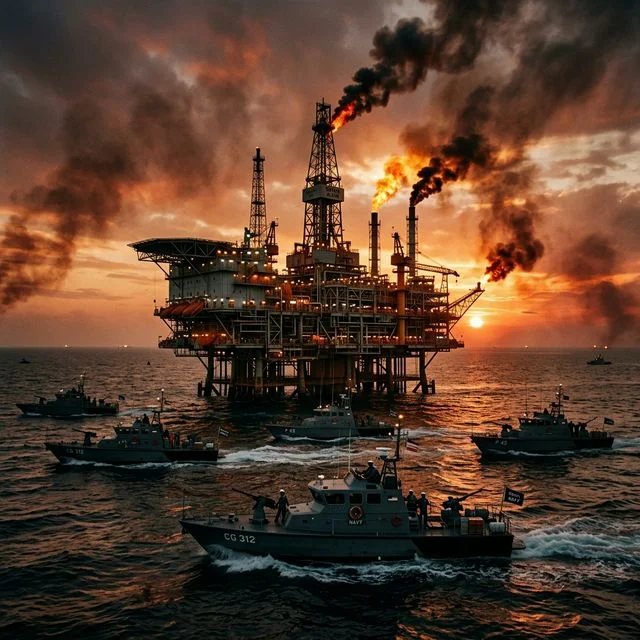
Iran can make transit extremely dangerous using anti-ship missiles, fast-attack craft, and mines, but sustaining a full blockade against the US Fifth Fleet is another matter. In practice, insurance markets decide: prohibitive war-risk premiums can stop commercial traffic without a single additional shot.
How does the Hormuz crisis affect crypto and stock markets?
A sustained oil price spike feeds headline inflation, which constrains central bank rate cuts, which pressures long-duration risk assets. Bitcoin has repeatedly fallen alongside equities on Hormuz escalation days, trading as a risk asset rather than an inflation hedge.
What was Trump's 20% Hormuz shipping fee?
In July 2026 President Trump proposed that the US charge a 20% fee on cargo transiting the strait in exchange for providing security, describing the US as 'Guardian of the Hormuz Strait.' He reversed the fee within roughly a day, replacing it with Gulf-state investment commitments, while keeping the blockade of Iranian ports in place.