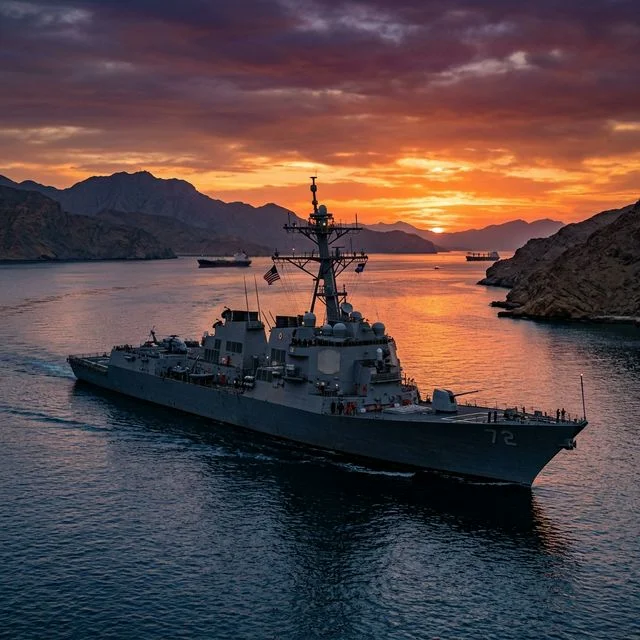
The Strikes
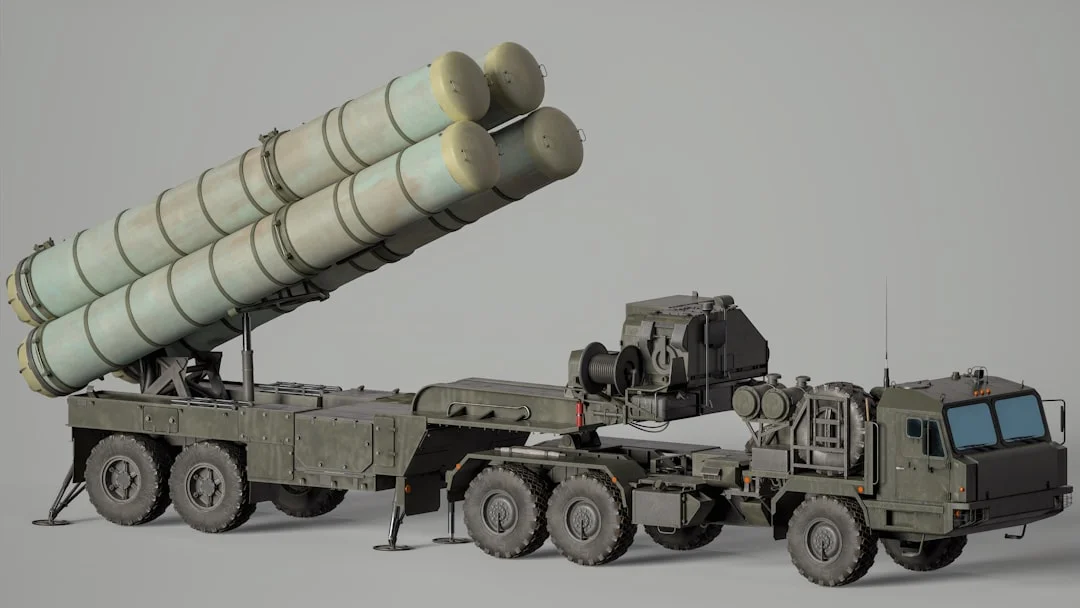
On February 28, 2026, the United States and Israel launched coordinated airstrikes on Iran under the codename Operation Epic Fury, targeting military facilities, nuclear sites, and senior leadership. The strikes killed Iran's Supreme Leader, Ali Khamenei. The stated aims, per reporting, included regime change pressure and disabling Iran's nuclear and ballistic missile programs.
Iran's Response and the Strait of Hormuz Closure
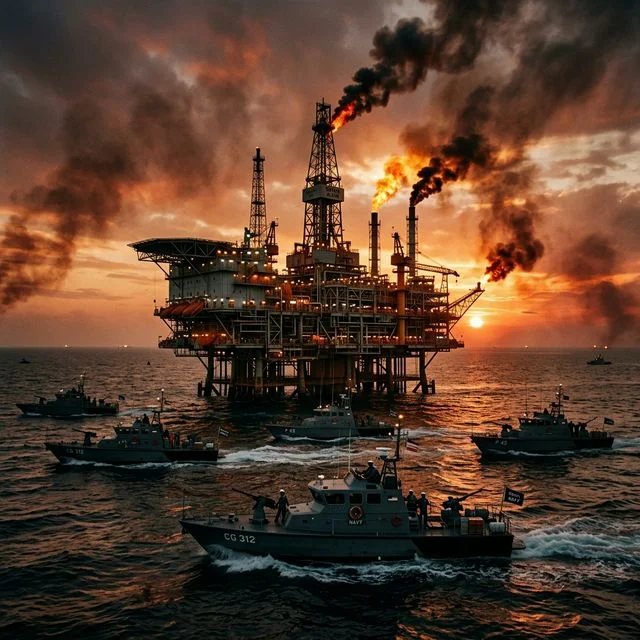
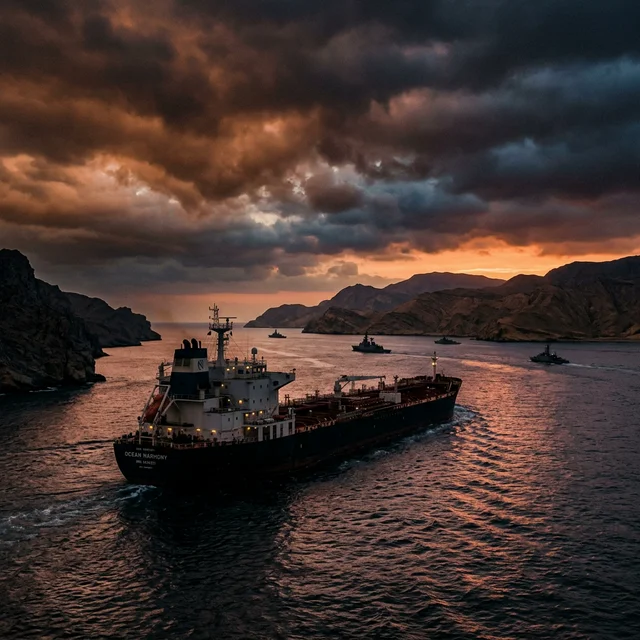
Iran retaliated with missile strikes on Israeli cities and on US bases in the Gulf, including in the UAE, Qatar, and Bahrain, causing casualties and infrastructure damage. On March 4, 2026, Iran declared the Strait of Hormuz closed and threatened to attack vessels attempting passage. The Islamic Revolutionary Guard Corps subsequently boarded and attacked merchant ships and laid sea mines in the strait, effectively blocking shipping traffic since late February.
The Oil Crisis
The Strait of Hormuz normally carries around 20 million barrels of oil per day — roughly 20% of global seaborne oil trade, largely from Saudi Arabia, the UAE, Iraq, and Qatar. With that route largely shut, the International Energy Agency has characterized the resulting shock as the largest supply disruption in the history of the global oil market, with Brent crude prices spiking sharply as a result.
Status as of Late June 2026
This is not a resolved conflict. Live reporting from Al Jazeera as recently as June 27, 2026 documents continued exchanges, including a US strike on Iran following an attack on a vessel in the Strait of Hormuz — meaning the war and the shipping disruption are both still active more than four months after the initial strikes, not a contained one-off event.
Sources
- 2026 Iran war — Wikipedia
- How US-Israel attacks on Iran threaten the Strait of Hormuz, oil markets — Al Jazeera
- Iran war updates: US hits Iran in latest tit-for-tat strike — Al Jazeera
- Economic impact of the 2026 Iran war — Wikipedia
Timeline of Key Events
The 2026 Iran conflict escalated through a series of discrete events that each moved energy markets and diplomatic positions:
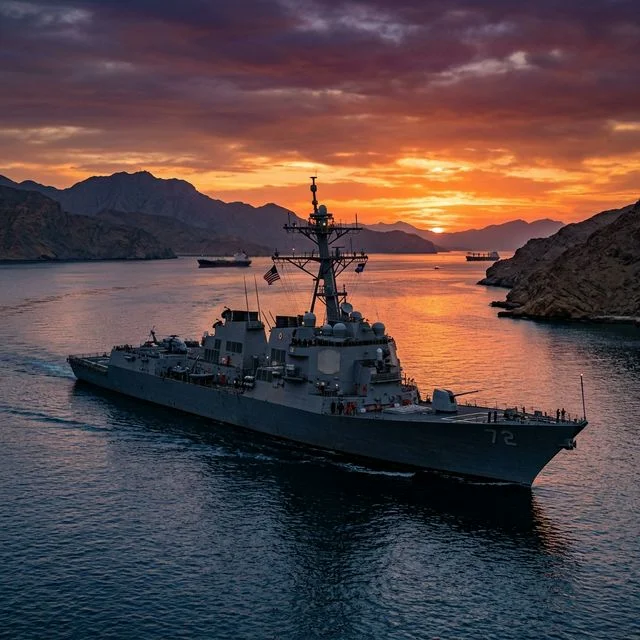
April 22 — IRGC naval forces seize two commercial tankers in the Strait of Hormuz, citing claims of smuggling. US Fifth Fleet responds with naval escorts. Oil markets add $8/barrel.
May 3 — Israel conducts airstrikes on Iranian missile production facilities near Isfahan. Iran retaliates with ballistic missile strikes on Israeli air bases.
May 14 — US conducts precision strikes on Iranian port facilities at Bandar Abbas and Chabahar, targeting logistics for IRGC naval operations. Iran announces partial Hormuz closure.
June 2 — Iran extends partial closure to tanker inspections, requiring any vessel carrying "hostile nation" cargo to submit to boarding. Most commercial operators suspend voluntary Hormuz transits.
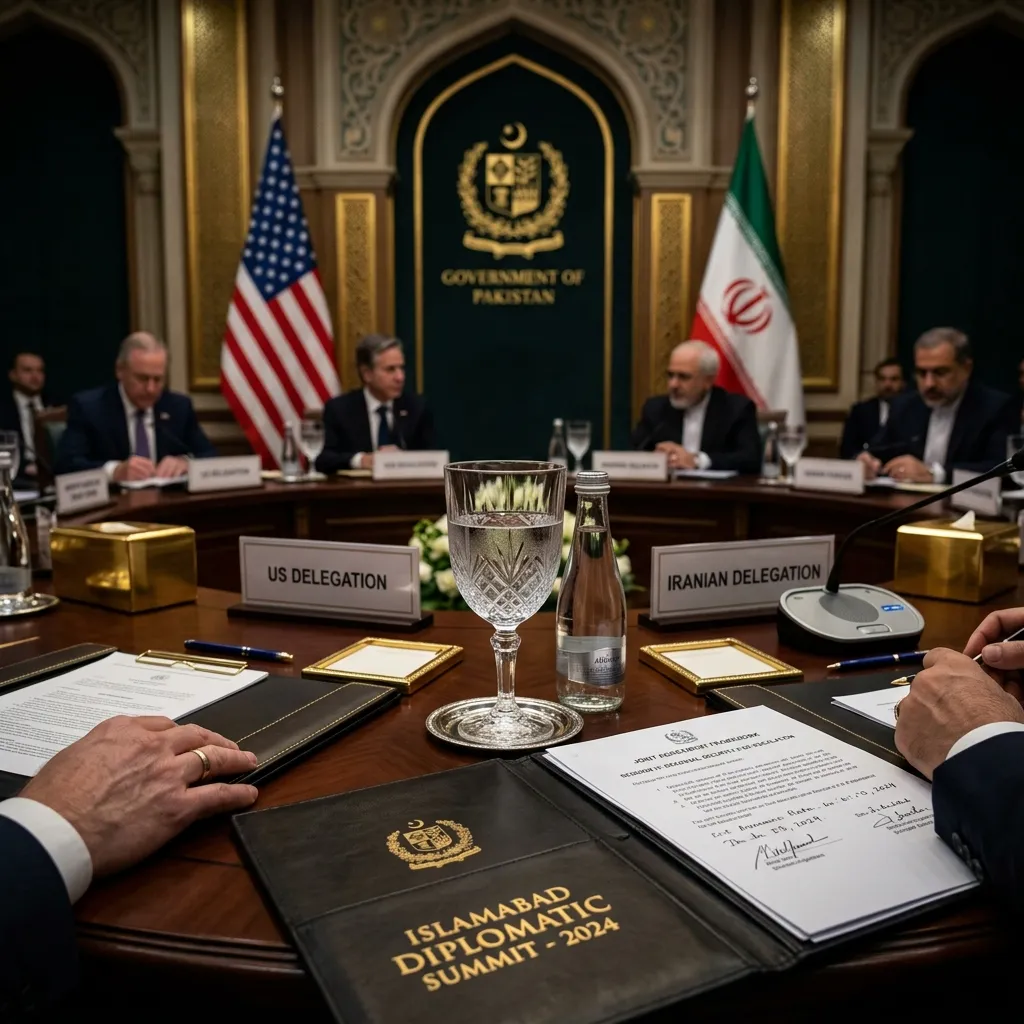
July 3 — Khamenei state funeral; ceasefire negotiations through Qatari and Omani intermediaries continue without formal agreement.
Economic Impact Numbers
The World Bank estimates the sustained partial Hormuz disruption is adding approximately 1.5 percentage points to global inflation through energy price transmission. OECD countries are collectively losing an estimated $400 billion in annual GDP from the combined energy price shock and shipping disruption. The countries most severely affected are those most dependent on Gulf energy imports: Japan, South Korea, India, and EU member states.
For context, the 1973 Arab oil embargo — which lasted approximately five months — contributed to a US recession and a tripling of oil prices. The current disruption is less severe in percentage price terms (oil has roughly doubled rather than tripled) but is occurring against a backdrop of already-elevated inflation in most major economies.
Who Pays for the Disruption? Insurance costs for remaining Hormuz transits have risen 400%, passed on through shipping freight rates to importers, and ultimately to consumers. Asian economies bearing the highest energy import dependency are experiencing the sharpest inflation transmission from the disruption. Japan's energy import bill has increased by an estimated ¥3.2 trillion (roughly $22 billion) annualised at current elevated prices compared to January 2026 baseline.





































































Commenting is currently unavailable on this article.