Good Quarters, Bad Days
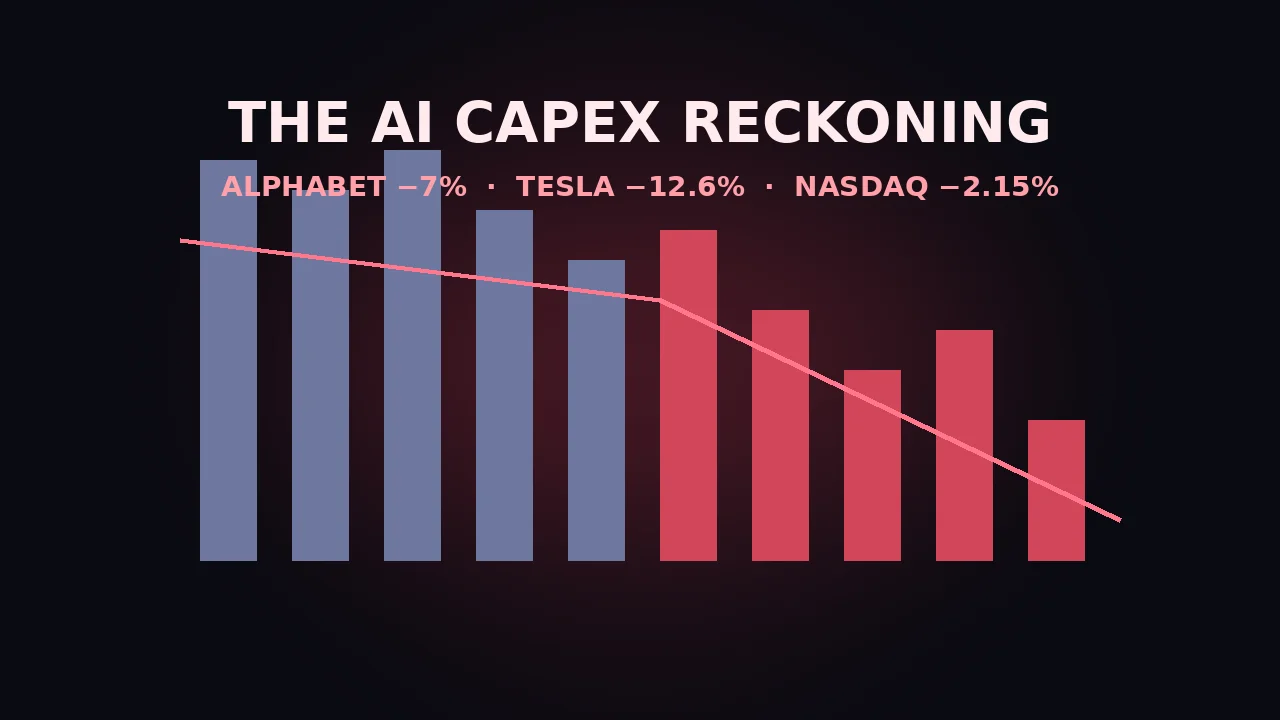
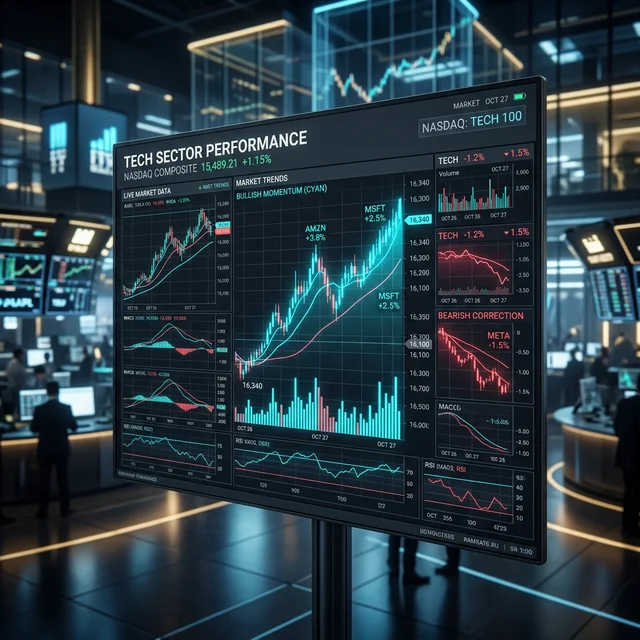
By the numbers, Alphabet delivered: $119.8 billion in second-quarter revenue, with Google Cloud surging 82% year-over-year to $24.8 billion — the kind of cloud growth that would have minted a rally in any previous year. The stock fell 7%. Tesla grew revenue 26% to $28.24 billion on strong deliveries and energy storage, beating estimates. It fell 12.6%. The Nasdaq dropped 2.15%, the S&P 500 lost 1.21%, and the Dow shed 507 points.
The disconnect has one explanation, and every earnings call kept circling it: the bill for the AI buildout has grown faster than anyone modeled, and Wall Street has started asking when it gets paid back.
The Number That Spooked Everyone
Alphabet raised its 2026 capital expenditure forecast to between $195 billion and $205 billion — a figure that would have represented the combined capex of the entire S&P 500's tech sector not many years ago. The market's problem isn't that the spending exists; it's that guidance keeps ratcheting upward while the revenue attributable to it, Cloud's 82% growth notwithstanding, remains a fraction of the outlay. Tesla told a version of the same story: profit missed consensus by a wide margin — 33 cents against a 50-cent expectation — in part because of accelerating AI infrastructure investment.
When beats get sold this hard, the market isn't grading the quarter. It's repricing the decade.
Meanwhile, the Spending Accelerates
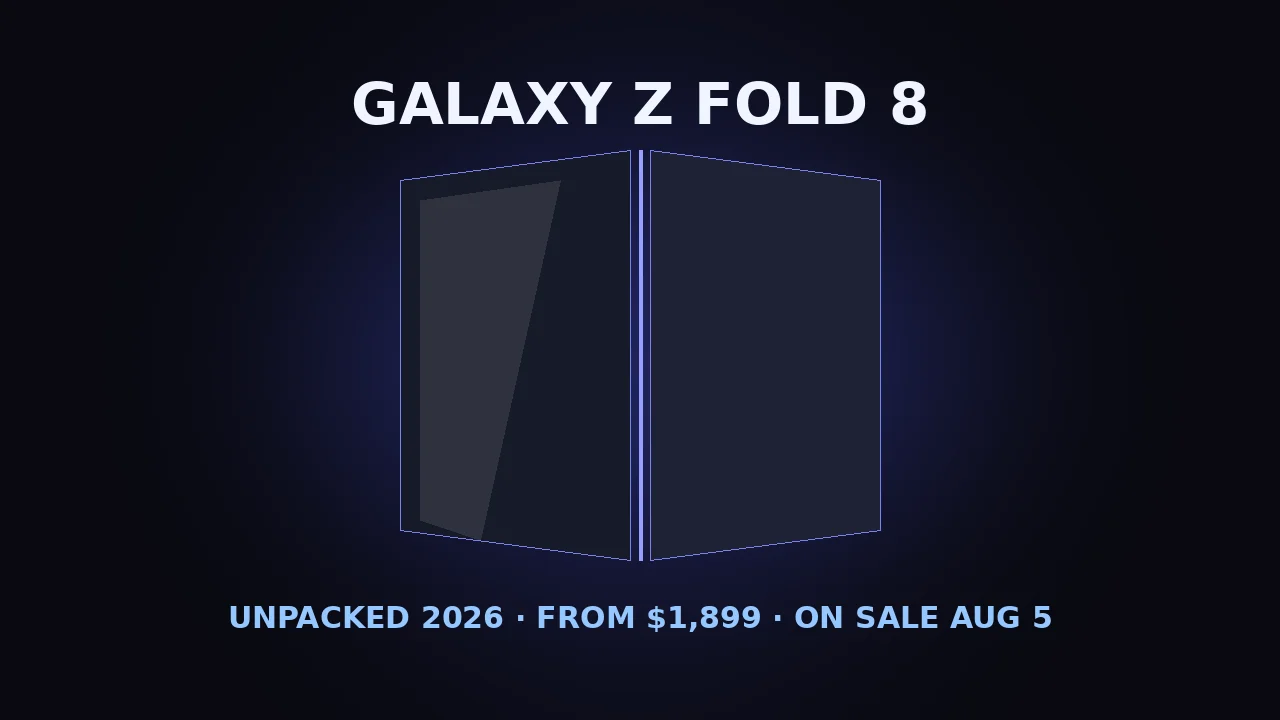
The irony of the selloff is that the same week produced fresh evidence the capex race is intensifying, not cooling. AMD announced an investment of up to $5 billion in Anthropic as part of a computing-power deal — chipmakers are no longer just selling to AI labs, they're buying into them. Samsung used its Unpacked stage to push deeper into AI-first devices. And SpaceX slipped below its $135 IPO price as Musk-related sentiment soured broadly after Tesla's report — a reminder of how correlated this entire complex has become.
Nobody in a position to spend is blinking. The buildout's logic is prisoner's-dilemma simple: the cost of overspending is margin compression; the cost of underspending is irrelevance.
What It Means for the Next Two Quarters
Watch three things. First, whether hyperscalers begin disclosing AI-attributable revenue with more granularity — pressure for a cleaner numerator is now explicit on every call. Second, the depreciation curve: this year's record capex becomes next year's earnings drag with mechanical certainty. Third, breadth — Nasdaq drawdowns driven by capex fear have so far been bought within weeks, but each recovery has been narrower than the last.
None of this resembles the profitless froth of past manias — Alphabet's problem is spending too much money it actually has. But July 23 established something markets will remember: in 2026, a revenue beat with a bigger capex number attached is a sell signal until proven otherwise.



















































Commenting is currently unavailable on this article.