
The City as an Operating System
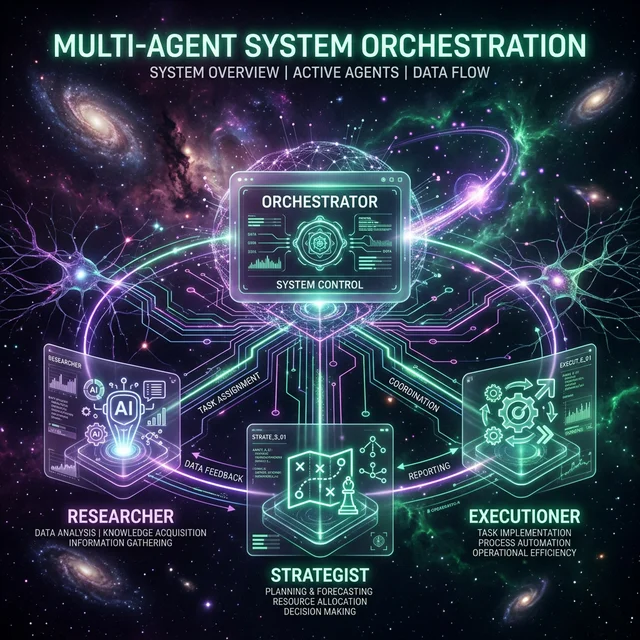
The boundary between the physical city and its digital counterpart has officially dissolved. Today, Tokyo 2048 (the city's digital twin initiative) announced that its central AI orchestrator has successfully reduced urban energy waste by 30% in just six months. By creating a real-time, high-fidelity virtual replica of every building, pipe, and vehicle, city planners are now able to simulate and solve urban crises before they happen in the real world.
Real-Time Orchestration
This isn't just about dashboards; it's about active intervention. In a Digital Twin city, the AI can detect a potential water main break through sensor anomalies in the simulation, automatically redirect traffic around the affected area, and dispatch autonomous repair drones—all before a single human reports a leak. It's a level of urban efficiency that feels like science fiction, yet it's becoming the standard for the G7 nations in 2026.
Privacy in the Transparent City
As cities become hyper-efficient, the debate over 'Algorithmic Governance' is heating up. While the benefits of zero traffic and carbon-neutral energy grids are undeniable, the sheer volume of data required to run a Digital Twin raises significant privacy concerns. Future-focused municipalities are now implementing 'Privacy Mesh' technologies that anonymize individual movements while still providing the aggregate data needed for the orchestrator to keep the city breathing.
The Difference Between Digital Twins and Smart Cities
The smart city concept from the 2010s primarily meant adding sensors and data collection to urban infrastructure. A city digital twin goes further: it integrates sensor data into a dynamic 3D model that can run simulations. "What happens to traffic if we close this street?" "How does a proposed building change shadow patterns?" A digital twin can simulate these; a sensor network alone cannot.
The AI Orchestrator Layer in 2026
The 2026 evolution is the addition of AI orchestration — automated decision-making systems that can act on the twin's data without requiring human review of each decision. Traffic signal control systems continuously optimise signal timing based on real-time vehicle flow; predictive maintenance systems identify which infrastructure is most likely to fail based on sensor readings; energy management systems shift power loads dynamically to reduce peak demand.
Where It's Operating
Singapore's Virtual Singapore — the most advanced operational city twin — uses Lidar scanning and BIM data accurate to 10cm resolution, with real-time data layers from traffic and environmental sensors. Helsinki3D+ provides a publicly accessible 3D city model with real-time data layers. Orlando (Nvidia Omniverse partnership) focuses on autonomous vehicle simulation and smart traffic management.
The Governance Gap
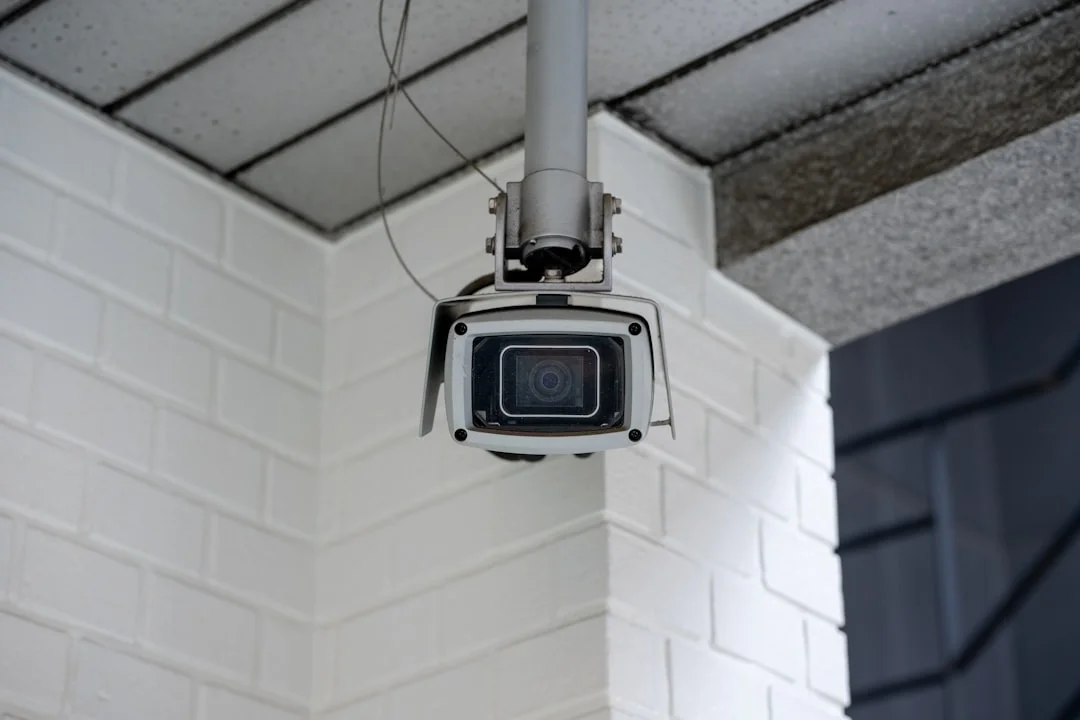
Most city digital twins lack clear data governance frameworks governing who can access the twin's data, under what circumstances, and with what oversight. A real-time model of a city at high resolution enables surveillance at scale. Cities with strong digital rights frameworks (Amsterdam, Barcelona, Helsinki) have more developed governance; others have deployed the technology faster than they have established the rules around it.
What Cities Should Prioritise
For city governments evaluating digital twin investments, the highest return applications in 2026 are infrastructure maintenance (predictive failure detection pays for itself quickly), traffic flow optimisation (demonstrated ROI in multiple cities), and development planning (shadow, wind, and traffic impact modelling reducing costly planning errors). The lowest ROI applications are those requiring real-time granular people-tracking without clear operational use — the governance risk is high and the operational benefit is unclear. Starting with infrastructure and traffic, where data is non-personal and operational benefit is demonstrated, builds the institutional capability for more complex applications later.
































































Commenting is currently unavailable on this article.