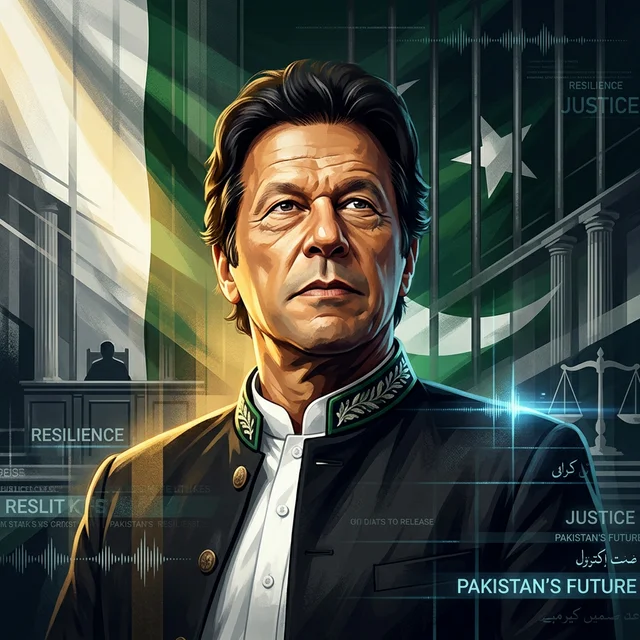
From Cricket Captain to Prisoner No. 804
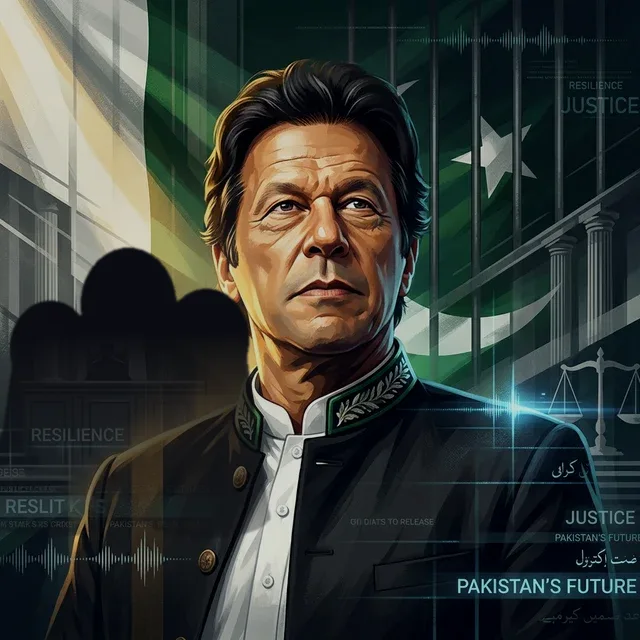
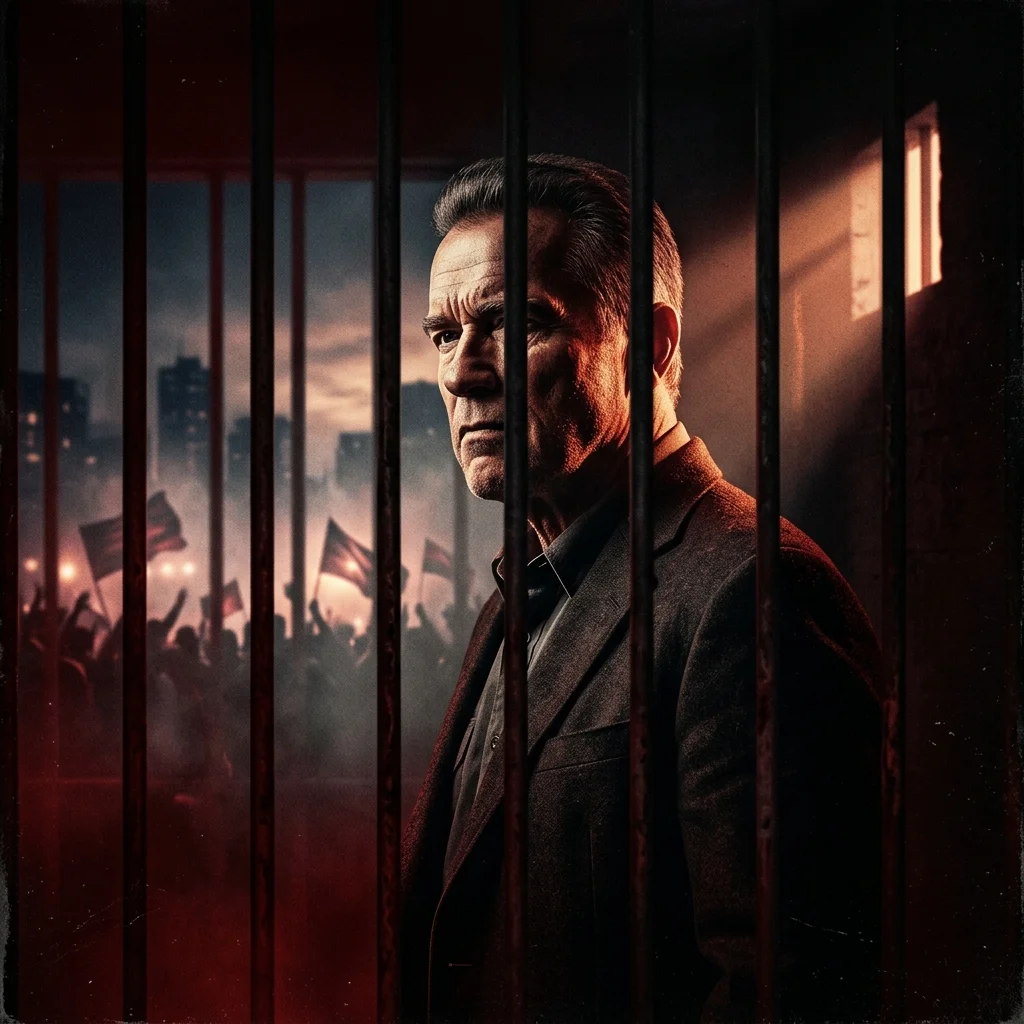
Imran Khan's transformation from 1992 Cricket World Cup-winning captain to founder of the Pakistan Tehreek-e-Insaf (PTI) to the country's 19th prime minister is well documented. His government fell to a no-confidence vote in April 2022; he was arrested in August 2023 and has remained in Rawalpindi's Adiala Jail since.
The Legal Picture
More than 180 separate cases have been filed against Khan since he left office. In early 2025, he was convicted in both the Al-Qadir Trust case and the Toshakhana-II case, drawing a combined sentence exceeding 30 years, of which he is serving 14 years on the Al-Qadir conviction. To keep proceedings away from public courtrooms, authorities have used an internal courtroom inside the jail complex for several of his ongoing hearings. PTI maintains that Khan has secured bail or acquittal in numerous other cases, only for fresh charges to follow — a pattern its lawyers describe as a deliberate strategy to keep him detained regardless of individual case outcomes. The government has not publicly accepted that characterization.
Health and Access, Updated
Khan's legal team has confirmed a diagnosis of central retinal vein occlusion that has left him with significantly reduced vision in his right eye. He underwent a fifth treatment procedure at Pakistan Institute of Medical Sciences on June 15, 2026. Family access has remained inconsistent despite a court order permitting twice-weekly visits: on June 23, 2026, his sister Aleema Khan led a protest outside Adiala Jail after being denied another scheduled meeting, continuing a pattern reported through April, May, and June.
PTI's Stated Demands
PTI has been consistent in three core demands: Khan's release, given what the party calls a cycle of fresh charges replacing dismissed ones; his transfer to Shifa International Hospital for independent specialist care; and reliable, court-ordered access for his family and legal team, including his UK-based sons, who have reported difficulty securing visas to visit Pakistan.
The Military Relationship
Khan's relationship with Pakistan's military establishment, once cooperative during his time in office, has broken down entirely since his removal. Analysts point to the crackdown on PTI's organizational structure, including the loss of its electoral symbol in prior elections, as part of a broader effort to weaken the party rather than isolated legal proceedings. The government disputes that framing and maintains that all cases against Khan and PTI have proceeded through normal judicial channels.
Where This Leaves Pakistan
Despite the legal and physical pressure, polling consistently shows Khan retains substantial public support, and PTI remains organizationally intact despite internal disagreement over tactics, including how aggressively to pursue street protests versus legal and diplomatic channels. With his health a continuing concern and no clear resolution to either his legal cases or the access disputes, Khan's imprisonment remains the defining fault line in Pakistani politics heading into the second half of 2026.
Sources: Dawn, Pakistan Today, Al Jazeera.































































Commenting is currently unavailable on this article.