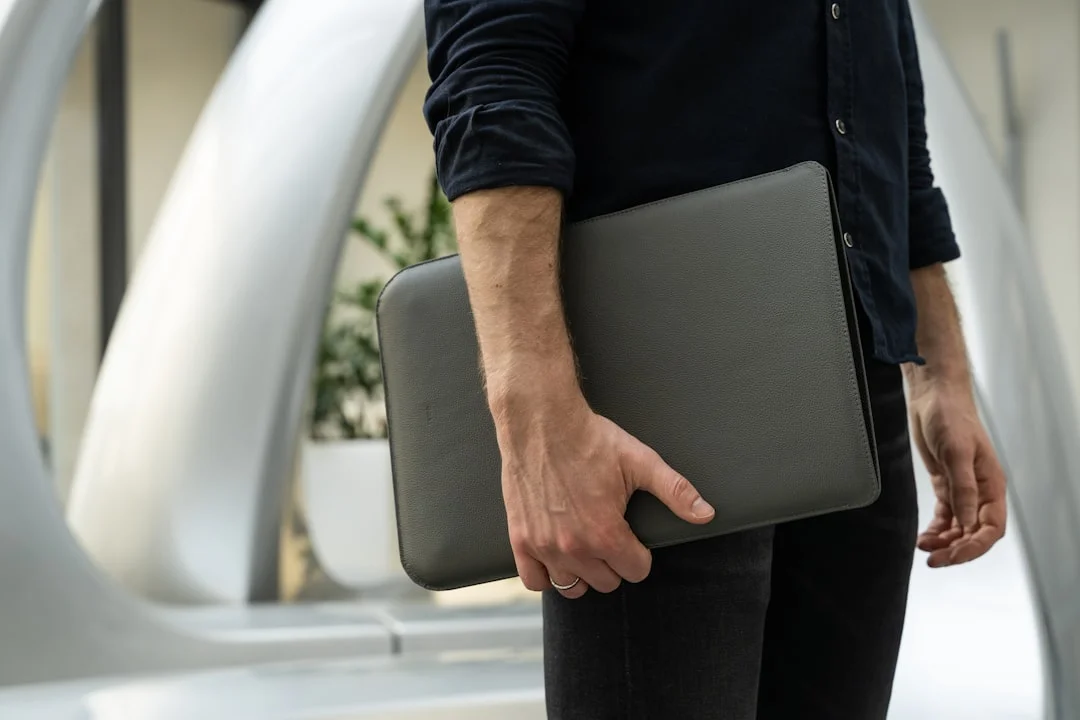
Apple has once again shaken up the laptop market with its latest release, the MacBook Neo. Not only is this new model the most affordable MacBook in Apple's lineup, but it has also been hailed as the most repairable laptop from the company in over fourteen years, according to a recent teardown by iFixit.
A New Era for MacBook Repairability
iFixit, a platform known for its detailed teardowns and repairability scores, has given the MacBook Neo high marks for its ease of repair. This marks a significant shift in Apple's design philosophy, which has traditionally leaned towards sleek, tightly integrated devices often difficult for users to repair or upgrade. The MacBook Neo's design seemingly prioritizes modularity and accessibility, potentially reducing e-waste and extending the device's lifespan.
According to iFixit's report, the MacBook Neo features easily accessible screws and connectors, a stark contrast to previous models that often required specialized tools and intricate procedures just to open the chassis. Components like the battery, SSD, and RAM are now more straightforward to replace, offering a breath of fresh air to both professional technicians and DIY enthusiasts.
Background: Apple’s Design Evolution
Historically, Apple has focused on creating products with a high degree of integration, often at the cost of repairability. This design choice has been a point of contention among consumers and environmental advocates, as it typically leads to higher repair costs and shorter product lifespans. However, in recent years, the company has faced increasing pressure to adopt more sustainable practices. This shift towards repairability with the MacBook Neo could be seen as a response to these growing demands.
The Broader Impact
The MacBook Neo's improved repairability could have significant implications for the tech industry, particularly in the realm of sustainable technology. By making its laptops easier to repair, Apple is addressing consumer concerns about waste and longevity, potentially setting a precedent for other manufacturers to follow. If other tech giants adopt similar strategies, it could lead to a broader shift in the industry towards more eco-friendly and consumer-friendly products.
Conclusion
The MacBook Neo represents more than just a new product in Apple’s lineup; it symbolizes a potential pivot in the company's approach to product design and sustainability. As consumers become increasingly aware of environmental issues and demand more from their tech products, Apple's move towards repairability could influence the future of consumer electronics design. As we look forward, the MacBook Neo stands as a beacon of change, suggesting a more sustainable future for both Apple and the wider tech industry.
What Changed in the Design
Apple's previous MacBook designs — particularly the 2016–2022 generation — became notorious among repair technicians and sustainability advocates for soldered RAM and SSD, proprietary connectors, and adhesive-bonded batteries that required specialised tools and often damaged the enclosure during removal. The 2023 iFixit teardown of a standard MacBook Air M2 gave it a 4 out of 10 repairability score.
The MacBook Neo represents a meaningful reversal. Key design changes include a battery with a pull-tab adhesive rather than permanent bond (the same design improvement Apple introduced on iPhones starting with iPhone 14), standardised Phillips screws in non-critical areas, and a modular keyboard mechanism that allows individual key switch replacement without full top-case replacement. The SSD remains soldered — a concession to performance and form factor — but Apple now offers mail-in SSD data migration as part of its repair programme.
Why Apple Made This Change
The European Union's Right to Repair directive, which came into force in 2024, requires manufacturers of electronics sold in the EU to provide spare parts, repair documentation, and tools for a minimum of five to ten years after product release. While the directive's specific requirements for laptops are still being finalised, Apple's legal team clearly assessed that the current MacBook design would require significant modification to comply.
Rather than making Europe-specific products (which creates supply chain complexity), Apple has aligned its global design to meet the anticipated EU standard. The MacBook Neo is effectively the EU Right to Repair directive in product form, shipped globally.
The Environmental Numbers
Apple's product environmental reports show that manufacturing accounts for approximately 80% of a MacBook's lifetime carbon footprint. Extending the useful life of a device by three additional years through repairability reduces its per-year environmental impact significantly. A MacBook used for eight years rather than five has roughly 37% lower lifetime carbon intensity per year of use — a real improvement even if manufacturing emissions remain unchanged.










































































Commenting is currently unavailable on this article.