What Actually Shipped
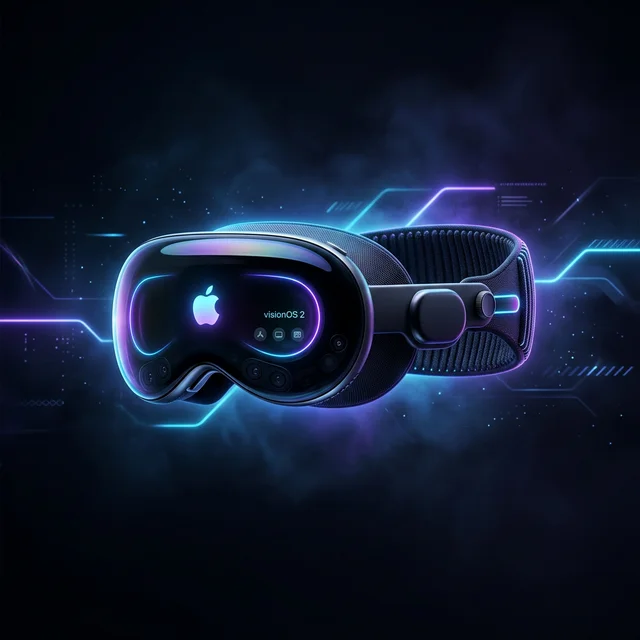
Apple's real 2025/2026 Vision Pro update is an M5 chip refresh, released October 22, with pre-orders starting at $3,499. It keeps the same 4K micro-OLED-per-eye display technology as the original model — not the 8K-per-eye panels that circulated in earlier leak reports. The M5 chip does let the headset render about 10% more pixels for sharper detail, and the unit ships with a more comfortable dual-knit head band. VisionOS 27, announced at WWDC 2026, adds Visual Intelligence and camera-aware AI features.
Why the 8K Leak Didn't Pan Out
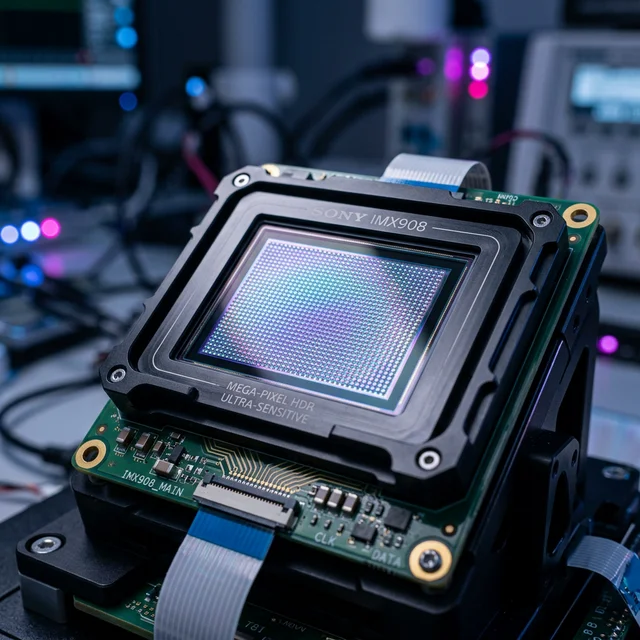
Supply-chain leaks earlier in the cycle pointed to a generational display leap — Sony-fabricated OLED-on-silicon panels at 8K per eye — for a true "Vision Pro 2." That bigger redesign hasn't materialized in 2026. Reporting now indicates Apple's actual next-generation Vision Pro is delayed to roughly 2028, with Apple instead shipping the smaller, faster M5 refresh in the meantime.
What's Next
Rather than a clean "Vision Pro 2," Apple's near-term strategy appears to be incremental chip-level upgrades to the existing form factor while the bigger display and design overhaul continues development for a later release.
Sources
- Apple Vision Pro 2 Reportedly Delayed to 2028 Ahead of WWDC — The Gadgeteer
- Apple Vision Pro 2 release date expectations, price estimates and upgrades — PhoneArena
- Apple Vision Pro 2 — specs, price and release date — Tom's Guide
What Has Been Reliably Reported vs Speculated
Apple Vision Pro 2 has not been announced. Rumours fall into two categories: supply chain analyst reports (Ming-Chi Kuo, Bloomberg's Mark Gurman) and amplified speculation.
What reliable sources have reported: Apple is developing a next-generation spatial computing headset expected in 2026 or early 2027, with a primary engineering focus on weight reduction (Vision Pro weighs approximately 600g, widely cited as causing fatigue) and price reduction from the $3,499 starting point. A separate lower-cost "Apple Vision" product has been reported but not confirmed.
Why the 8K Display Claims Are Premature
Some coverage has cited "8K per eye" displays as a Vision Pro 2 specification. This is implausible given current thermal constraints. An 8K-per-eye display would require substantially more processing power than the M2 chip in Vision Pro 1, generating significant heat in an already thermally constrained form factor. The next step is more likely higher refresh rate, better dynamic range, and improved field of view — not an 8K resolution jump.
What Vision Pro 2 Needs to Succeed
Vision Pro 1's sales have been below internal Apple targets. User feedback consistently identifies three improvement priorities: lower weight (most important), longer battery life (current 2–3 hours external battery is limiting), and a lower price. The product that addresses all three while maintaining Vision Pro's display and tracking quality would have a significantly larger addressable market. Resolution improvements, while welcome, are unlikely to drive adoption as meaningfully as the weight and price variables.
The Investment Case
For consumers deciding whether to buy Vision Pro 1 now or wait: the case for waiting is stronger than usual. Vision Pro 1's combination of high price ($3,499+), heavy weight (600g), and limited battery (external pack, 2–3 hours) represents a clear first-generation limitation profile. If Apple does release Vision Pro 2 in 2026 or early 2027 with meaningful improvements in all three dimensions, Vision Pro 1 will depreciate quickly. Unless your use case is specific and urgent, waiting for the second-generation product is the rational choice.






















































Commenting is currently unavailable on this article.