
From Partners to Plaintiffs
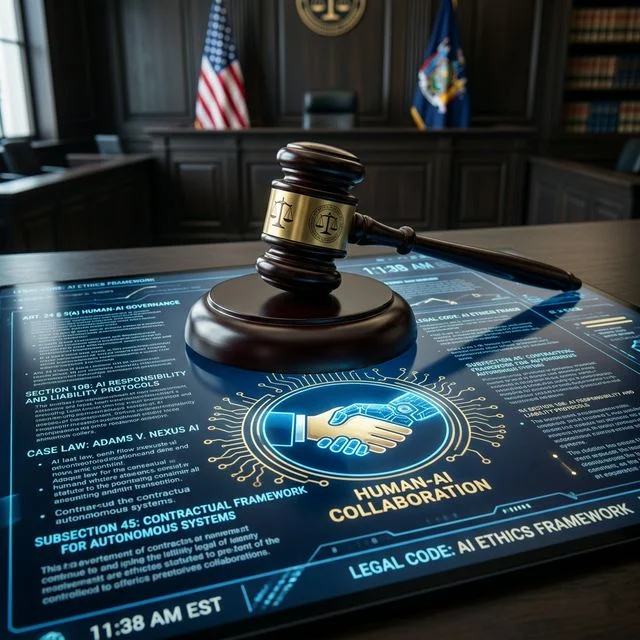
Two years ago, Apple and OpenAI stood on stage together: ChatGPT was being integrated into the iPhone's operating system in one of the most consequential partnerships of the AI era. That relationship is now in a Northern California federal courtroom. In a complaint filed on July 10, Apple accuses OpenAI — and io Products, the hardware startup founded by former Apple design chief Jony Ive that OpenAI acquired for $6.4 billion — of stealing trade secrets "at every level."
What Apple Actually Alleges
The complaint's central claim is that OpenAI's move into consumer hardware was built on Apple's confidential technology, extracted through a deliberate recruiting campaign rather than ordinary talent movement. Apple cites more than 400 former employees who now work at OpenAI, drawn heavily from its silicon engineering, on-device AI, and hardware design teams.
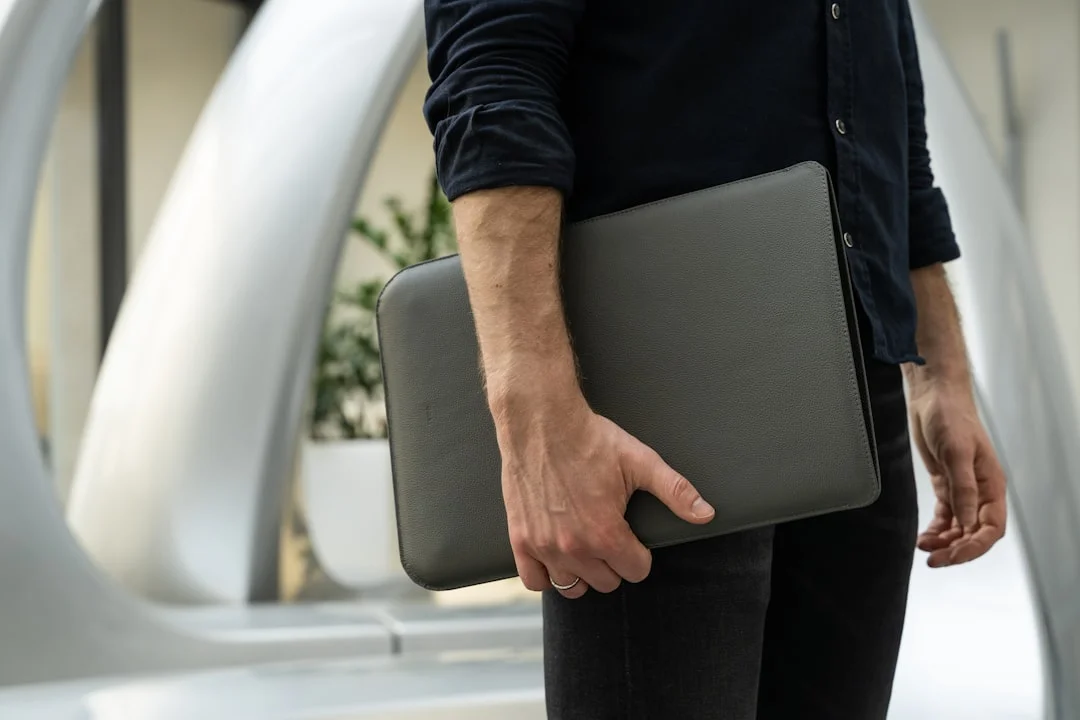
Two named allegations stand out. First, Apple claims OpenAI's hardware chief Tang Tan — himself a former Apple vice president — directed job candidates still employed at Apple to share confidential information during interviews, allegedly including bringing "actual parts" to so-called show-and-tell sessions. Second, the complaint alleges that Chang Liu, a senior systems electrical engineer who spent eight years at Apple, kept an Apple-issued laptop after leaving for OpenAI in 2026 and used it to download confidential technical documents, including specifications for unannounced products.
Why This Was Always a Collision Course
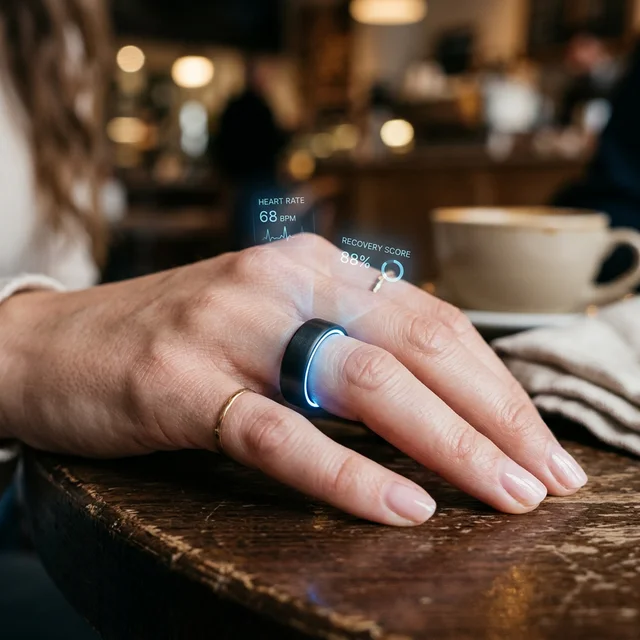
The lawsuit formalizes a rupture that has been building since OpenAI announced its hardware ambitions. Buying Ive's io Products put OpenAI directly on Apple's turf: pocket-sized, screen-optional AI devices designed by the same people who defined the iPhone's look and feel. For Apple — whose own AI effort has leaned on partnerships rather than frontier models — the sight of its hardware talent reassembling inside OpenAI was existential in a way software competition never was.
Trade secret cases of this scale rarely go to trial quickly. Apple is expected to seek an injunction that could complicate OpenAI's device timeline, while OpenAI will likely argue that California's strong protections for employee mobility cover the hiring at issue. Legal observers note the "bring parts to the interview" allegation, if supported by evidence, is the kind of concrete detail that moves these cases beyond routine talent disputes.
What It Means
For the AI industry, the case tests where aggressive recruiting ends and misappropriation begins — a line every frontier lab is currently dancing along. For consumers, it injects real uncertainty into the most anticipated hardware launch of the decade. And for the Apple-OpenAI relationship that still technically powers ChatGPT integration on millions of iPhones, it raises an awkward question nobody in Cupertino or San Francisco has answered yet: how do you sue your platform partner and keep shipping together?
The case was filed in the U.S. District Court for the Northern District of California. OpenAI had not filed a formal response at the time of writing.

















































Commenting is currently unavailable on this article.