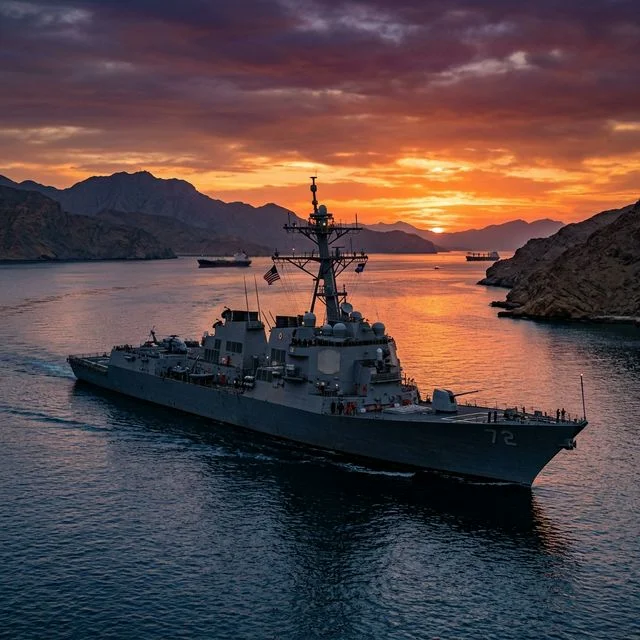
A Weekend That Redrew the Crisis
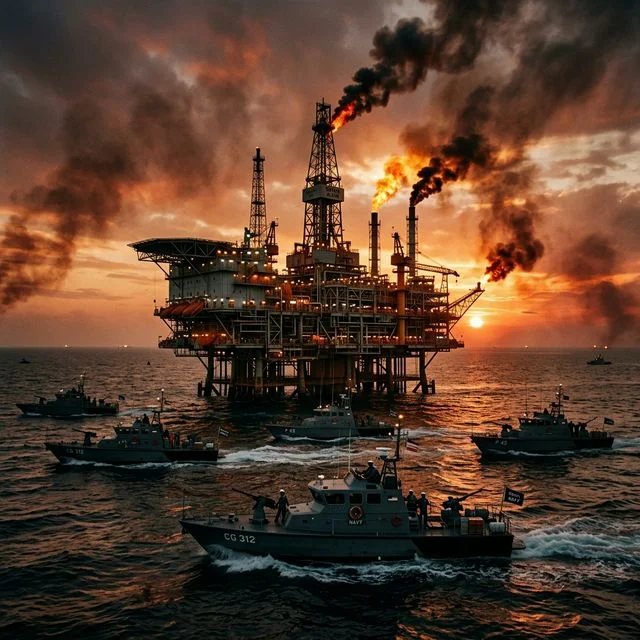
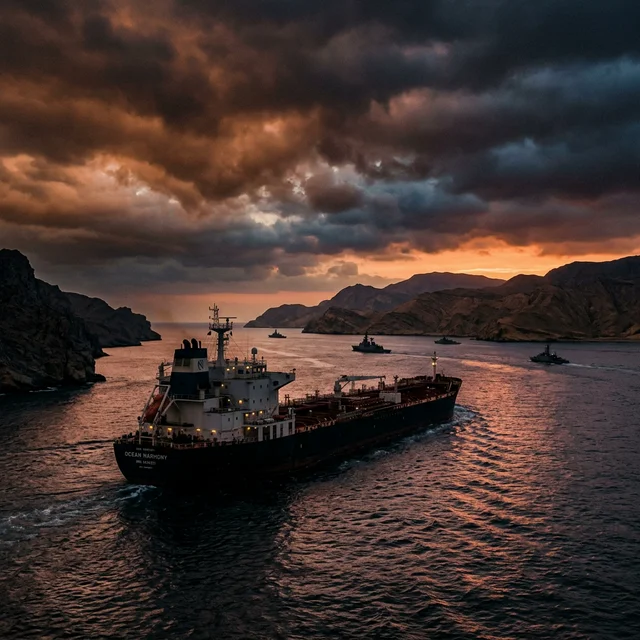
The long-simmering confrontation between Washington and Tehran crossed a dangerous threshold this weekend. After Iran's Islamic Revolutionary Guard Corps attacked the GFS Galaxy — a Cyprus-flagged container ship it accused of taking an "unauthorized route" through the Strait of Hormuz, forcing the crew to abandon ship with one member missing — US forces answered with their heaviest strikes of the crisis: roughly 140 Iranian military targets hit in a third wave of operations, with explosions reported around Bushehr province, Qeshm Island, and the strategic port of Bandar Abbas.
Early on July 12, the IRGC Navy declared the Strait of Hormuz closed.
Why the Strait Is the Whole Story
Roughly a fifth of the world's oil and a significant share of its liquefied natural gas passes through a channel narrower than the English Channel at its tightest point. There is no pipeline network that can meaningfully replace it. Even the announcement of closure — enforcement is another matter — moved global crude prices more than 5% and rippled instantly through equity, bond, and crypto markets.
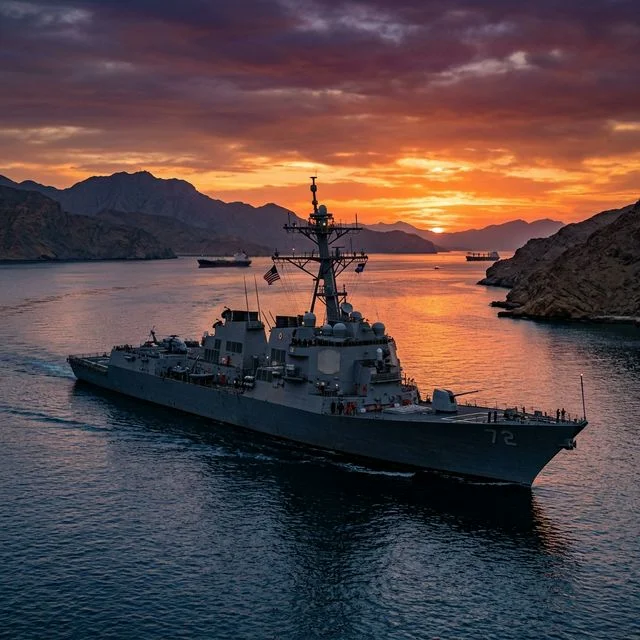
Whether Iran can actually close the strait is a military question with an economic answer. Tehran can make transit dangerous with anti-ship missiles, fast-attack craft, and mines; it cannot indefinitely blockade a waterway patrolled by the US Fifth Fleet. But insurers don't wait for naval battles: war-risk premiums alone can halt commercial traffic as effectively as any minefield, and several major carriers have already paused Gulf transits.
The Regional Spillover
Iran's response has widened beyond American targets. Tehran launched attacks on Gulf states hosting US forces — following earlier strikes on sites in Bahrain and Kuwait in June, and now reportedly extending to Qatar, the UAE, and others. That expansion forces Gulf capitals, which have spent years hedging between Washington and Tehran, toward choices they have strenuously avoided.
The crisis traces back through failed nuclear negotiations in Geneva and the 12-day air war of 2025, and it has accelerated since the death of Supreme Leader Khamenei — whose state funeral this month underlined how much of Iran's current posture is bound up in a leadership transition where hardline factions hold the initiative.
What to Watch
Three indicators will signal where this goes next. Tanker traffic data: if transits resume within days under naval escort, the closure was posture; if they don't, the energy shock compounds weekly. The diplomatic channel: Oman and Qatar have quietly brokered de-escalation before, and their silence or activity is telling. And US force posture: additional carrier deployments would signal preparation for a longer campaign rather than a punitive exchange.
What separates this from previous flare-ups is the combination: an actual commercial vessel attacked, an actual closure declared, and strikes on Iranian territory at a scale unseen since the crisis began. De-escalation from here requires someone to climb down publicly — and right now, neither side is signaling any intention to.



















































Commenting is currently unavailable on this article.