The Islamabad Summit: US and Iran Face Off in Fragile Ceasefire Talks
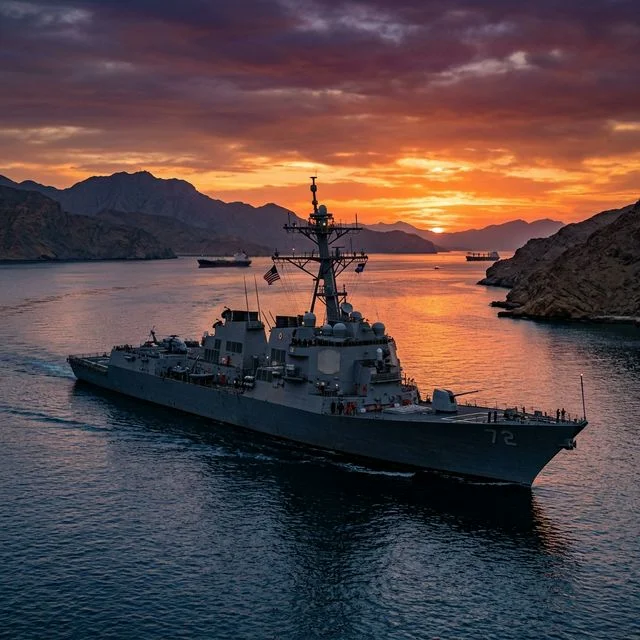
High-stakes diplomacy has returned to the world stage as US Vice President JD Vance and Iranian Parliament Speaker Mohammad Bagher Qalibaf begin face-to-face negotiations in Islamabad. Following a month of devastating strikes, this fragile ceasefire represents the last major chance to prevent a total shutdown of the Strait of Hormuz.
D
David Park
April 12, 202615 min read
Share
Neural Scan CompleteTL;DR Scout · AI INSIGHTS · VERIFIED SCAN
TL;DR Scout
Edge+ Exclusive
Operational Context: Verified Information Stream
Unlock instant AI intel briefings for every article by upgrading to Pro. Upgrade Now →
Operational Context: Verified Information Stream
Prologue: The Cold Silence of Islamabad
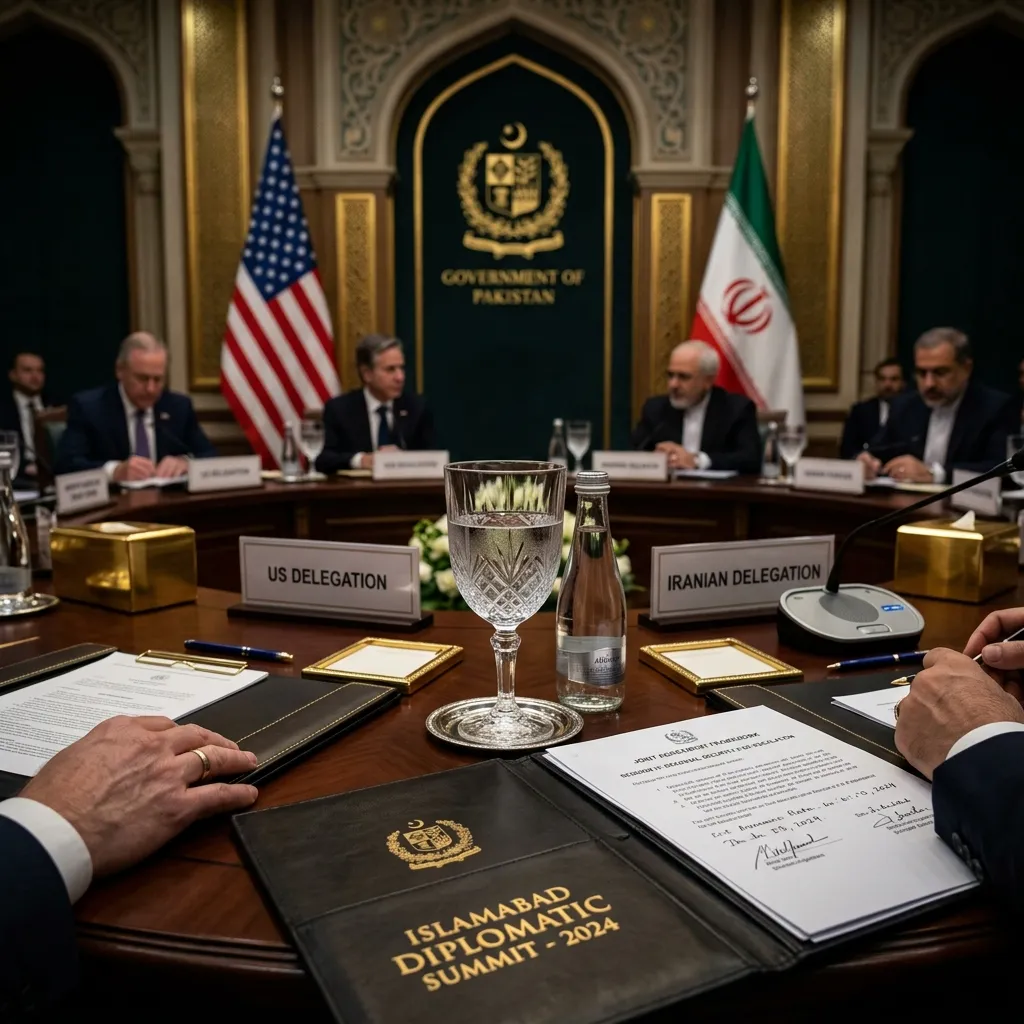
The silence over the Serena Hotel in Islamabad is as deafening as the subsonic drone strikes that preceded it. On April 11, 2026, the global focus shifted from tactical maps to the ornate negotiating tables of the Pakistani capital. Here, under the watchful eye of the Pakistani ISI and a team of Neutral AI Mediators provided by several non-aligned tech conglomerates, the United States and Iran have begun what many are calling the "last-chance summit" for Middle Eastern stability.
The meeting between US Vice President JD Vance and Iranian Parliament Speaker Mohammad Bagher Qalibaf marks the first high-level direct engagement since the March energy strikes crippled regional infrastructure. The atmosphere is clinical, stripped of the traditional diplomatic niceties of the pre-2020 era. In 2026, diplomacy is measured in terabytes of verification data and real-time energy spot prices.
$142 (down $12)
Brent Crude Price
Restricted / Military Escort
Strait of Hormuz Status
2 of 5 Key Pillars Agreed
Diplomatic Progress
96 Hours Remaining
Ceasefire Expiry
Chapter 1: The March Escalation — A Recap of Kinetic Failure
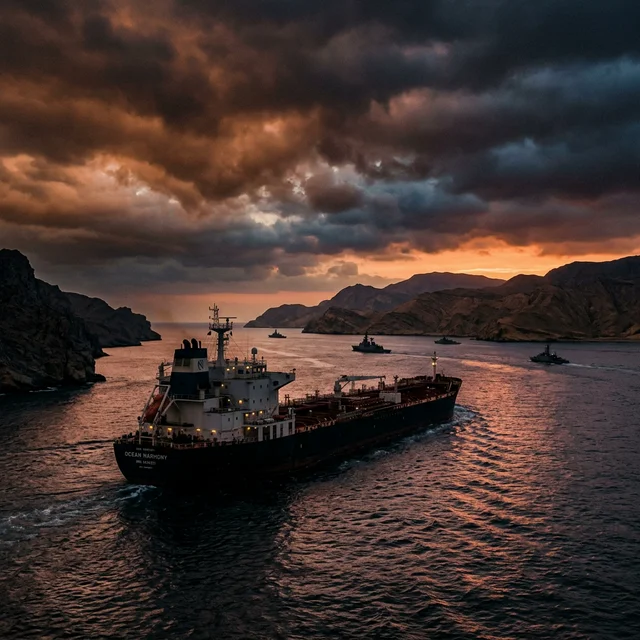
To understand the stakes in Islamabad, one must look back at the chaos of March 2026. Following a series of 'grey zone' provocations in the Persian Gulf, a coordinated strike on Iranian energy hubs and the Bushehr peripheral facilities sent global markets into a tailspin. These strikes, reportedly involving a new generation of autonomous US drone swarms, were intended to neutralize Iran's 'grey zone' military assets. Instead, they triggered a total shutdown of the Strait of Hormuz.
The retaliatory Iranian response was not just military, but systematic. Utilizing orbital jamming protocols, Tehran effectively blinded several commercial LEO satellite constellations, disrupting global GPS and logistics for 48 hours. This escalation proved that the traditional concept of 'limited strikes' is dead. In the age of interconnected infrastructure, every kinetic action has a systemic reaction.
Chapter 2: The Negotiators — Vance vs. Qalibaf
The two men sitting across from each other represent fundamentally different visions for the late 2020s.
JD Vance, representing the 'Trump Doctrine 2.0,' has arrived in Islamabad with a posture of "Restrained Realism." His strategy is clear: define the US core interests—maritime access and nuclear containment—and defend them with surgical force, while aggressively seeking to avoid the "forever wars" that defined his predecessors. Vance is viewed in Tehran as a firm but rational interlocutor, a man who understands that both nations are operating within a new geopolitical reality where conventional victory is an obsolete concept.
Mohammad Bagher Qalibaf, conversely, has pivoted from his background as a military commander to become Iran's primary advocate for "Digital Sovereignty." He represents an Iranian establishment that has integrated its defense into the very fabric of the global tech stack. For Qalibaf, the Islamabad Summit is not about surrender; it is about negotiating the terms under which Iran can re-enter the global Cloud 3.0 economy without sacrificing its strategic autonomy.
Strategic Insight
"This isn't just a military negotiation. It's a resource war being settled through digital and diplomatic concessions. Vance wants the oil flowing; Qalibaf wants the tech embargo lifted."
Chapter 3: The Islamabad Protocols — Technical Verification in 2026
Unlike the peace treaties of the 20th century, the Islamabad ceasefire depends on real-time data verification. The proposed Islamabad Protocols involve a multi-layered monitoring system:
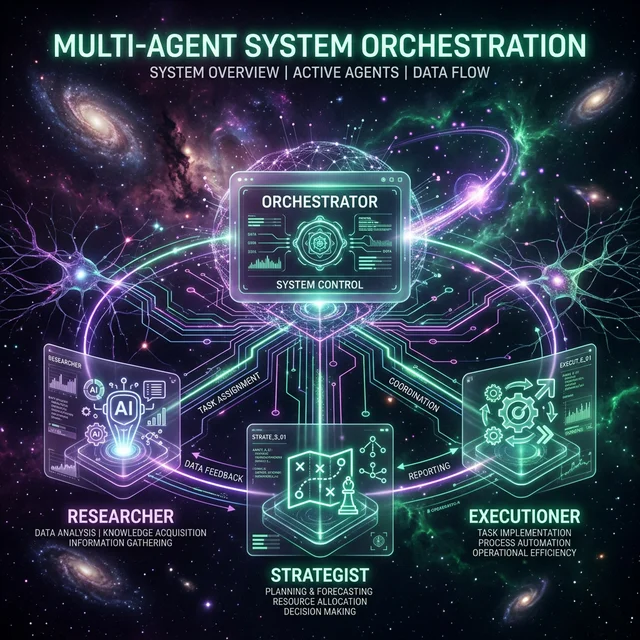
1. The 6G Verification Layer: A neutral network of 6G-enabled sensors along the Iranian coast, designed to monitor maritime traffic and detect any deployment of sub-surface autonomous assets. 2. Neutral AI Mediation: Predictive algorithms analyzing satellite feeds and military communications to identify potential escalations before they happen. 3. Sanctions-to-Export Smart Contracts: A proposal that would automatically ease technology sanctions on a 1:1 basis for every million barrels of oil that safely transit the Strait of Hormuz.
This is 'high-fidelity' diplomacy, where trust is replaced by verifiable, immutable datasets. However, the complexity of these technical protocols is itself a point of contention. Tehran has voiced concerns that the monitoring hardware contains hidden 'backdoors' for Western intelligence, leading to a demand for the inclusion of BRICS-designed security modules.
Chapter 4: The Resource Nexus — The $100 Trillion Question
At the heart of the crisis is a resource bottlenecks that a single regional conflict has transformed into a global existential threat. The Strait of Hormuz is no longer just an oil artery; it is the bottleneck for the global semiconductor and AI hardware supply chain.
Resource Fact
Approximately 35% of the specialized cooling gasses required for high-end AI data centers are sourced from facilities that rely on the logistics corridors passing through the Persian Gulf. A total shutdown doesn't just raise fuel prices—it halts the global AI compute rollout.
As the blockade continues, the Cloud 3.0 hardware sector is facing its Worst-case scenario. Global tech giants have reported a 200% increase in lead times for critical server components. If the Islamabad talks do not yield a opening of the waterway within 96 hours, the 'compute winter' of 2026 could become a long-term economic depression.
Chapter 5: The Grey Zone — The Wars That Don't Stop
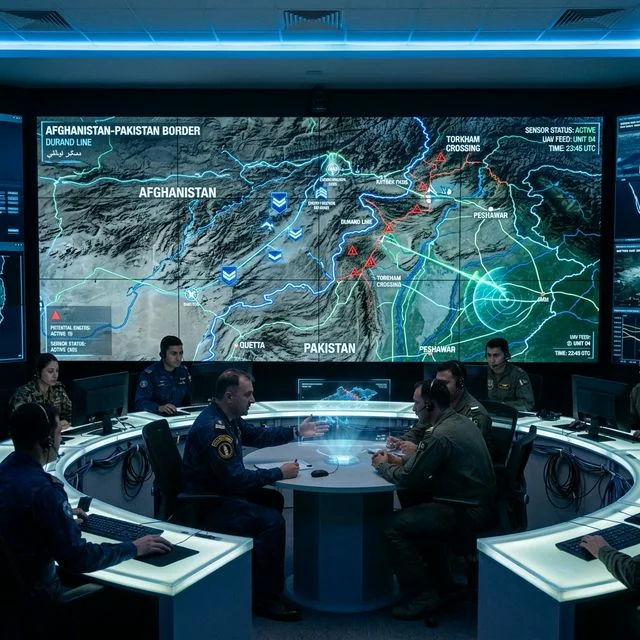
While the kinetic ceasefire is being observed, the Grey Zone War continues unabated. Reports from intelligence analysts suggest that both sides are utilizing the tactical pause to reposition their autonomous drone swarms along the border. Meanwhile, the orbital jamming war in Lower Earth Orbit (LEO) has actually intensified since the ceasefire began.
Cyber-infiltration attempts on both Iranian and US energy infrastructure have surged by 400% in the last 72 hours. This suggests that the ceasefire is not a move toward peace, but a recalibration of the conflict into digital and automated domains. In 2026, 'peace' is often just a period where the dying is done via code rather than kinetic impact.
April 7, 2026 — Temporary Ceasefire Announced
A 14-day pause in kinetic operations is brokered by Islamabad and UN mediators.
April 10, 2026 — Diplomatic Delegations Arrive
High-level US and Iranian teams arrive in the Pakistani capital under heavy security.
April 11, 2026 — First Direct Meeting
JD Vance and Qalibaf meet for three hours of closed-door negotiations.
April 12, 2026 — Technical Working Groups Formed
Committees begin addressing the 'granular' details of maritime access and sanction relief.
Chapter 6: Global Repercussions — From EU Energy to Australian Diesel
The impact of the Islamabad Summit is being felt thousands of miles away. In Western Europe, energy rationing has become a reality for the first time in decades. In Australia, the diesel shortage has already begun to impact agricultural logistics, threatening food security for the second half of the year.
The global economy is currently on a 'War Footing' budget. NATO nations have called for an immediate maritime coalition to secure the Strait by force if diplomacy fails. Conversely, the BRICS alliance has cautioned against such a move, warning that any unilateral US naval action would be met with "asymmetric systemic retaliation" across the global banking and satellite sectors.
The Bullish Case
An Islamabad Treaty would be the 'Buy of the Decade' for global markets. Brent crude would likely crash 40% overnight, and the AI hardware supply chain would recover by Q4, potentially sparking a massive 'peace dividend' rally.
The Risk Case
If talks collapse, military analysts anticipate an escalation involving 'grey zone' assets that could target LEO satellite networks, effectively blinding global communication and triggering a total systemic collapse of the Cloud 3.0 economy.
Chapter 7: The Final 96 Hours
The Islamabad Summit is entering its final, most dangerous phase. The 14-day ceasefire expires in 96 hours. For Vance and Qalibaf, the time for posturing has ended. They must now decide if their respective nations are ready to step back from the edge of a conflict that neither can truly survive.


As the technical working groups continue their 'granular' negotiations on maritime access and sanction relief, the world waits. The silence in Islamabad is not the silence of peace; it is the anticipatory hush before the next great shift in the 2026 global order.
Conclusion
The Islamabad Summit is more than a diplomatic meeting; it is a test of whether the global order of 2026 can still resolve conflict through dialogue, or if the 'War of Algorithms' has already become our permanent reality. The world waits, eyes on the Gulf, for the first sign of a breakthrough. The line between a historic peace and a global systemic collapse has moved to the negotiating tables of Islamabad.
David Park
Senior Technology Editor
Covering the intersection of technology, culture, and business. Previously at Wired and The Verge.
Discussion0 comments
Join FuturEdge to share your thoughts on this article.