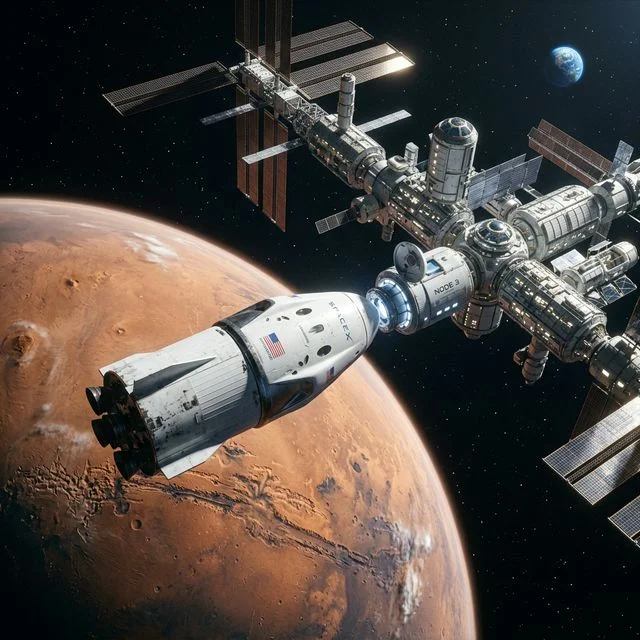
Building the Interplanetary Bridge
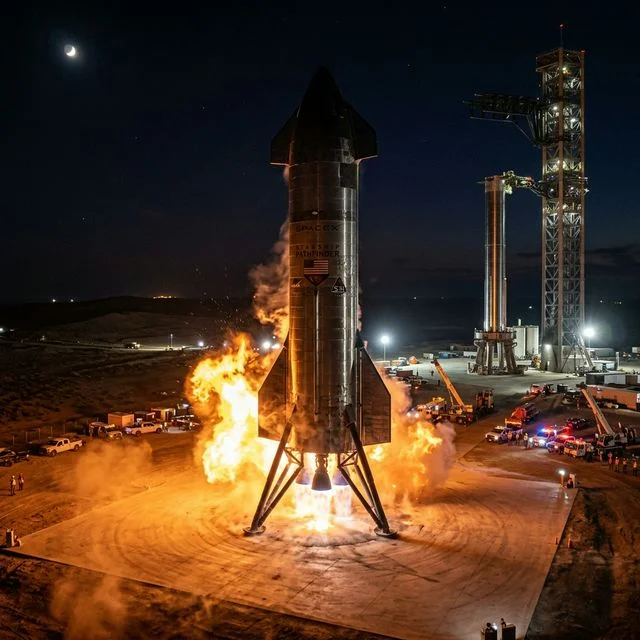
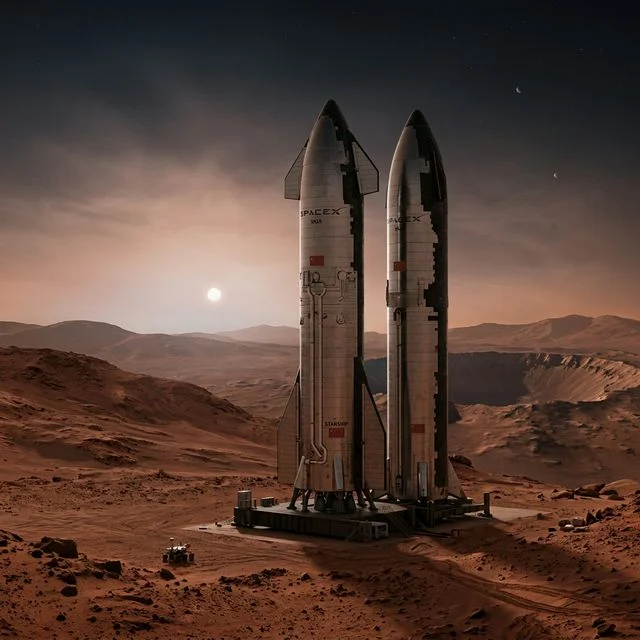
Early this morning, SpaceX's Starship Vanguard successfully executed a complex docking procedure 400km above the Earth, attaching the first 'Alpha-Class' Mars habitation module to its propulsion stage. This succeeds the recent Starship Pathfinder lunar delivery and marks the final assembly step before the 2026 Mars transit window opens.
Life Support for a Two-Year Journey
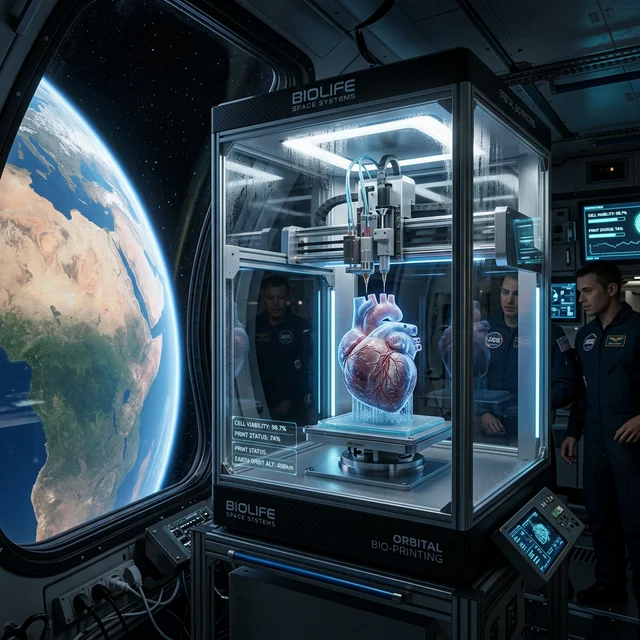
The habitation module, a joint project with several international aerospace firms, features a closed-loop regenerative ecosystem. It is designed to sustain a crew of six for the long transit and initial surface deployment. The module utilizes bio-printed nutrient systems originally developed for regenerative medicine to ensure crew health over the 180-day journey.
The Navigation Challenge of the Deep Space
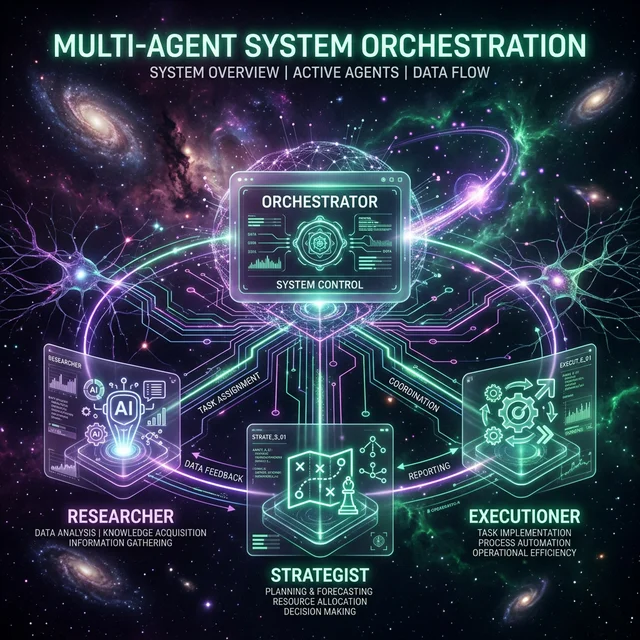
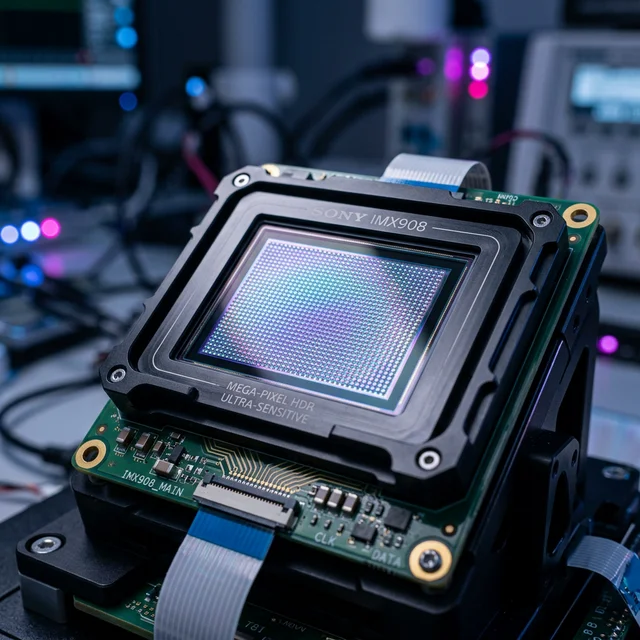
Navigating an interplanetary craft requires massive real-time compute. Vanguard is equipped with a localized version of Nvidia's G-Core architecture, allowing the ship's onboard AI to perform billions of orbital corrections without needing to wait for the 20-minute signal delay from Earth. This level of 'Autonomous Navigation' is the final piece of the Mars mission framework established earlier this year.
2026: The Year Humans Leave the Cradle
With the habitat now securely docked, the countdown to the Mars departure has reached its final phase. The success of this docking maneuver proves that the logistics for large-scale interplanetary colonization are now in place. For the first time in history, the 'Red Planet' is no longer a destination for robots, but a home for humanity.










































































Join FuturEdge to share your thoughts on this article.