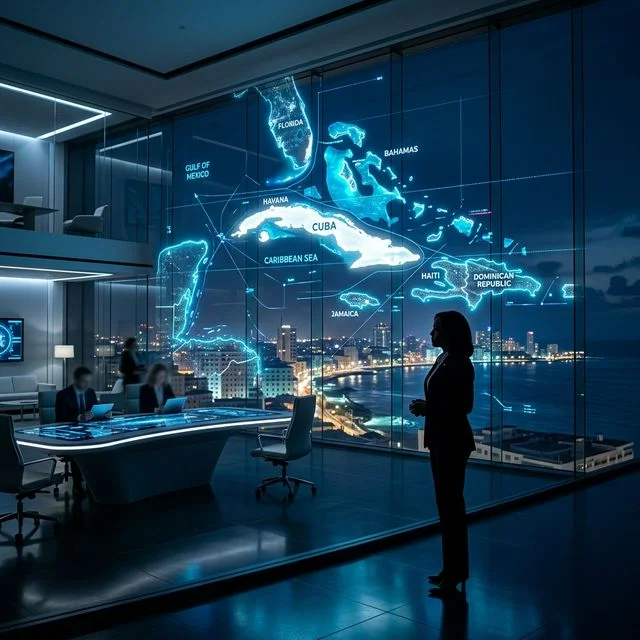
The Chain of Events
Cuba's 2026 crisis traces back to January 3, 2026, when the US captured Venezuelan President Nicolás Maduro and his wife, forcing Venezuela to stop the oil shipments that had been propping up Cuba's power grid. On January 29, Trump signed an executive order declaring a national security emergency on Cuba and threatening tariffs on any country supplying it oil. The administration has tied any sanctions relief to Cuba releasing political prisoners and moving toward political and economic liberalization.
The Blackouts
The blockade cut off roughly 60% of the crude oil Cuba's aging power system needs (about 100,000 barrels a day). On March 16, 2026, Cuba's power grid collapsed nationwide; a further major failure shortly after severed power to the island's eastern provinces, with residents in Havana facing ongoing outages. The blackouts have caused reduced work hours and widespread food spoilage as refrigeration fails.
Trump's Rhetoric
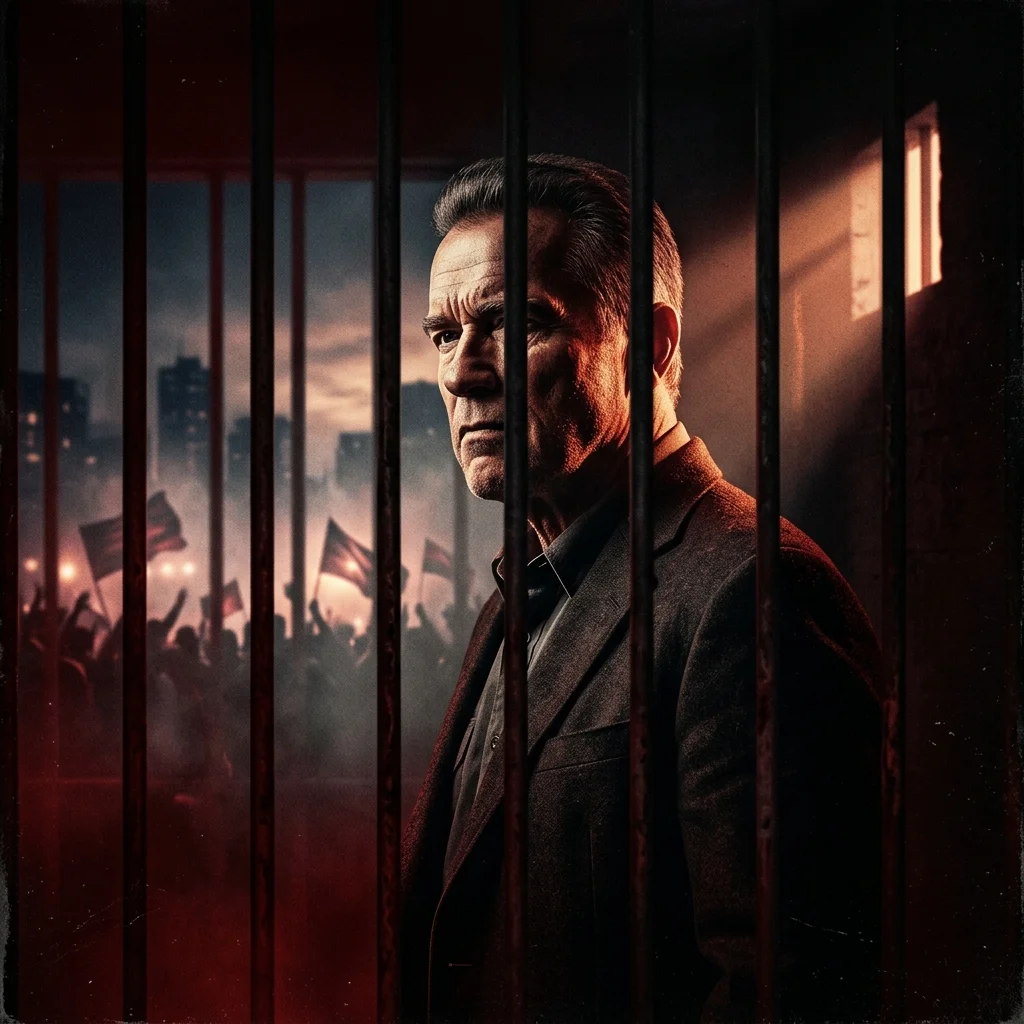
Following the blackouts, Trump publicly threatened to "take" Cuba, and the administration has described the current approach as ending an era of "managed decline" toward the Cuban government. Protests have broken out in Havana in response to the blackouts, met in some cases by what observers describe as aggressive police repression.
International Reaction
International observers remain divided: some allies have expressed support for pressure aimed at changing Cuba's government, while others warn the policy risks deepening a humanitarian crisis for ordinary Cubans rather than resolving it.
Sources
- Trump threatens to 'take' Cuba as island grapples with nationwide blackout — Al Jazeera
- Cuba's power grid collapses and plunges eastern provinces into a major blackout — NPR
- Much of Cuba Goes Dark as Trump Chokes Oil Supply — Bloomberg
What Trump's Cuba Policy Actually Changed
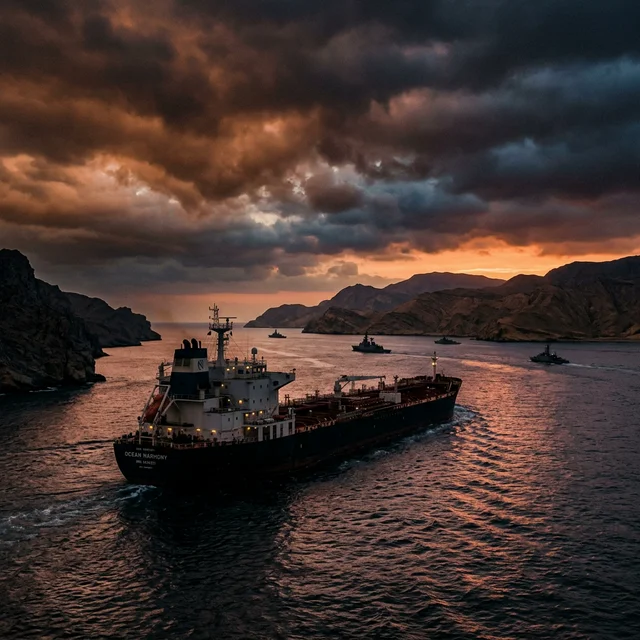
The Trump administration's Cuba policy in 2026 has focused primarily on energy — specifically, blocking Venezuelan oil deliveries to Cuba (which receives approximately 50,000–60,000 barrels per day from Venezuela under a preferential arrangement) and imposing secondary sanctions on vessels involved in Venezuelan-Cuba energy trade.
Cuba's energy situation, already precarious from power grid deterioration, has been further stressed by the oil delivery restrictions. The island has experienced widespread rolling blackouts — some areas receiving as little as 14 hours of power per day — with particular impact on hospitals, water pumping stations, and food refrigeration.
The Diplomatic Context
The Biden administration's 2022 expansion of remittance allowances and limited travel permissions were reversed in Trump's second term. Cuba has been returned to the State Sponsors of Terrorism list (a designation Biden removed in January 2025). The State Sponsors of Terrorism designation triggers financial restrictions that complicate humanitarian aid delivery through normal banking channels.
Cuba's Response
The Cuban government has pursued alternative oil supply arrangements with Russia, Algeria, and Mexico with mixed results. Russian oil shipments have partially compensated for the Venezuelan reduction, but at higher cost and less reliability. The Cuban government has framed the energy shortages publicly as a consequence of US "economic warfare" rather than as a domestic management failure — a framing that, while politically self-serving, reflects a genuine causal relationship between the sanctions and the current energy crisis.
The Human Cost
Independent journalists and humanitarian organizations have documented the health system impact most severely. Hospitals operating on reduced power cannot maintain cold chain for medications, run dialysis equipment reliably, or support intensive care operations at normal capacity. The civilian population bears the primary cost of a policy dispute between governments.


















Commenting is currently unavailable on this article.