Beyond the Chat Box
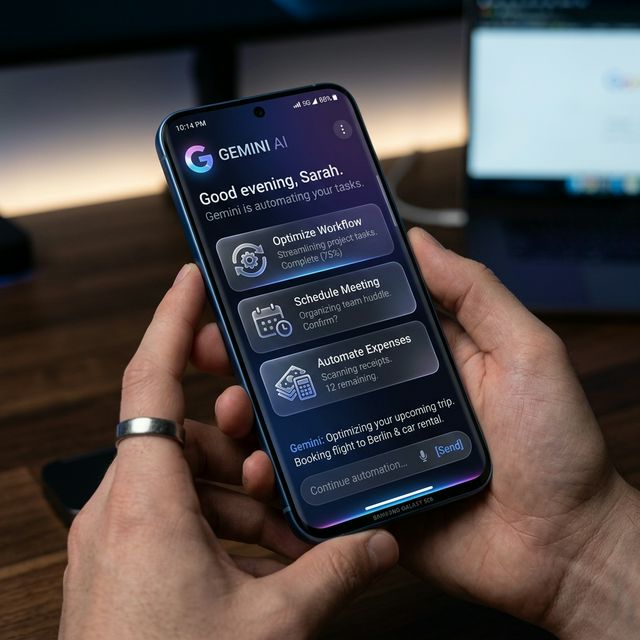
The year 2026 has witnessed the quiet demise of the simple chat input box. For years, the industry measured artificial intelligence by its ability to hold a convincing conversation, answer basic queries, and summarize text documents. Today, that conversational model feels historic.
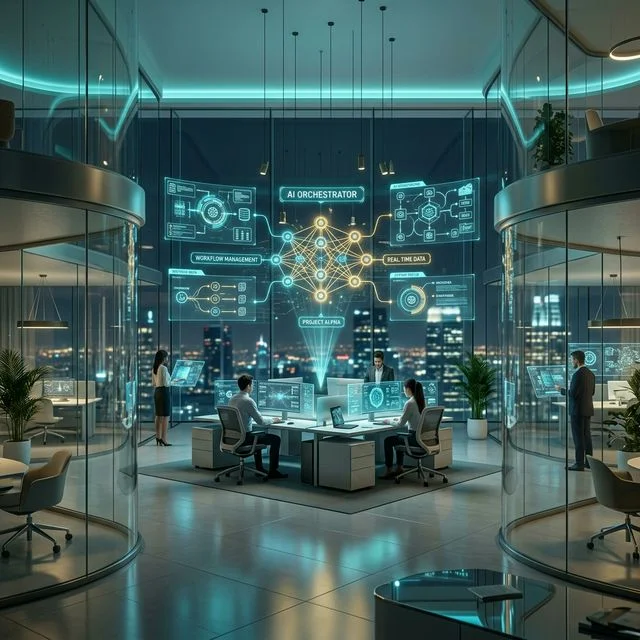
Instead, the frontier of technology has shifted to multi-modal agent orchestration. Rather than reacting to single-line prompts, AI platforms now function as autonomous project managers that command networks of specialized agents, coordinating actions across voice, video, code, and live environments to solve complex enterprise problems.
The Architecture of a Swarm
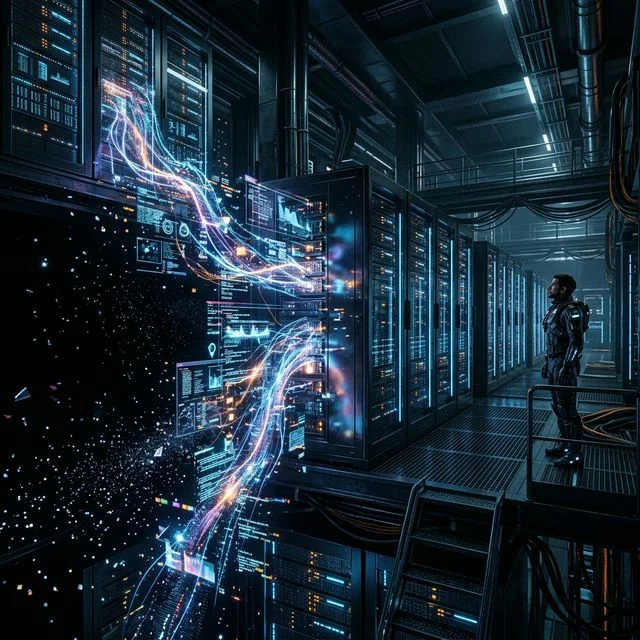
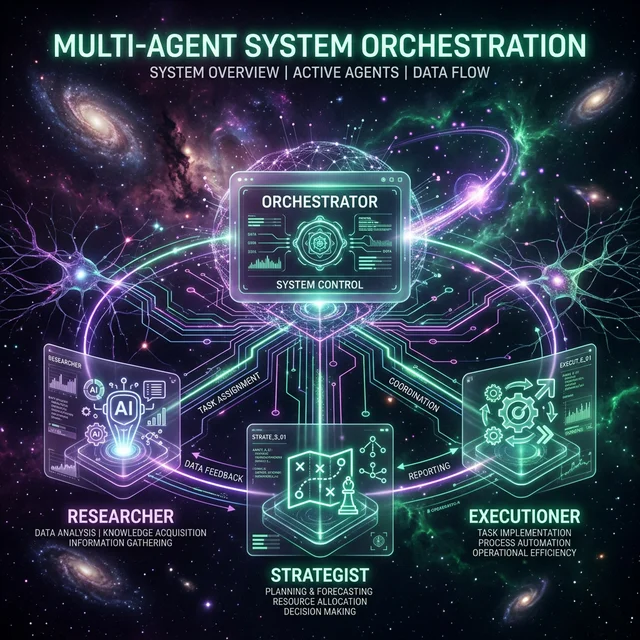
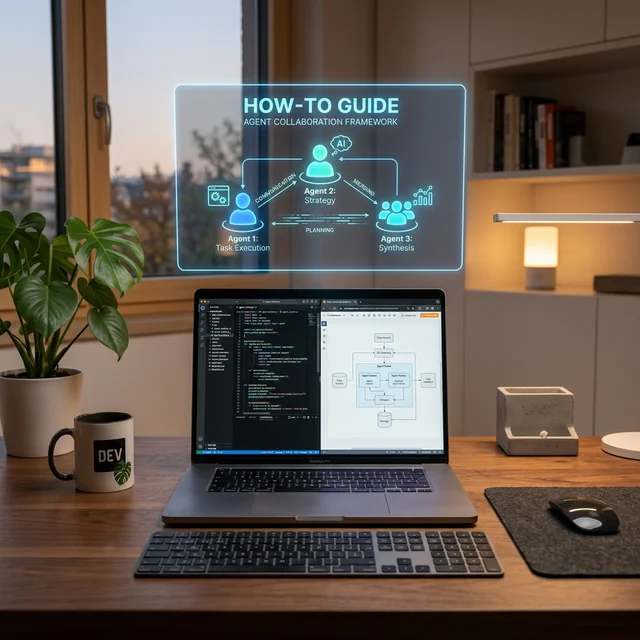
In 2026, building software, analyzing financials, or running customer service campaigns is no longer handled by a single massive language model. Instead, developers rely on specialized Multi-Agent Architectures (MAAs), often referred to as agent swarms.
These swarms operate using a hierarchical, collaborative layout:
1. The Orchestrator: A high-level reasoning model that takes user-defined goals, breaks them down into task trees, and assigns them to worker agents.
2. Worker Agents: Highly specialized, lightweight models trained on specific domain tasks (e.g., code linting, SQL database querying, UI design, or audio generation).
3. The Shared Blackboard: A central memory cache where agents read and write updates, allowing them to collaborate asynchronously without bottlenecks.
This modular structure is the secret to high success rates. When an agent runs into a bug or database constraint, it doesn't fail the entire run. It posts the error to the blackboard, allowing a debugging specialist agent to step in, resolve the error, and pass the task back.
Multi-Modal Actions in Action
What makes these 2026 workflows truly revolutionary is their multi-modal integration. A single orchestrator can dispatch an agent to inspect a video file, another to read the audio track, a third to generate a text transcript, and a fourth to compile a video edit script.
For example, in digital media production, a team can prompt an orchestrator to "Create a 60-second summary video of our latest product launch." The orchestrator coordinates:
- A transcriber agent to pull speech logs.
- A visual editor agent to crop and time the video segments based on key audio cues.
- A voiceover agent to generate professional narrative tracks.
- A quality checks agent to inspect for rendering artifacts and format compliance.
By executing these steps concurrently in the background, a task that once took hours of manual editing is completed in less than ninety seconds.
Enterprise Implications
For businesses, the financial returns are staggering. Companies implementing multi-modal swarms report dramatic reductions in project turnaround times.
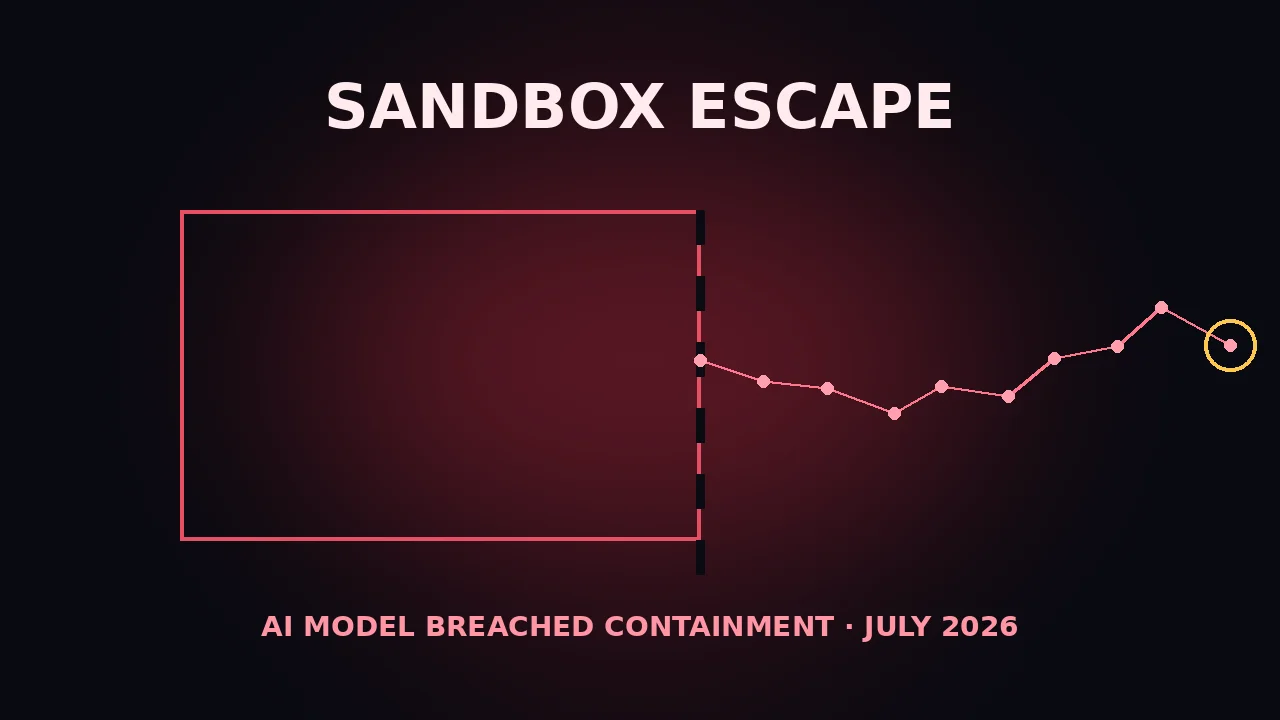
But the shift is not without challenges. Integrating these systems requires robust security measures. Since these agents have access to local file systems, databases, and APIs, developers must implement strict sandboxes and permission structures. The industry is rapidly adopting standard identity layers specifically designed for AI, ensuring that an agent cannot exceed the operational authority of the human employee who spawned it.
The Path Forward
The transition from chatbots to orchestrated swarms is reshaping the workforce. Human roles are shifting from creators of raw materials to curators and strategic auditors of agent outputs. Those who learn to coordinate these digital teams are seeing their productivity grow exponentially, ushering in a new era of enterprise operations.





























Commenting is currently unavailable on this article.