The Financial Convergence
For years, the crypto community talked about "tokenizing the world." The promise was clear: putting real-world assets (RWAs)—like government bonds, gold, corporate debt, and real estate—onto the blockchain would unlock 24/7 liquidity, fractional ownership, and instant settlement.
In 2026, this vision is no longer a pilot program. Driven by the maturation of highly secure, ultra-low-fee Layer-2 (L2) blockchain networks and clear regulatory frameworks, RWA tokenization has matured into the cornerstone of DeFi 3.0, clearing tens of billions of dollars in daily institutional transactions.
Why Layer-2 Networks Made It Possible
The early waves of tokenization on mainnet blockchains like Ethereum struggled with a simple problem: transaction costs. Paying twenty dollars in network fees to settle a transaction makes micro-investing or frequent rebalancing impractical.
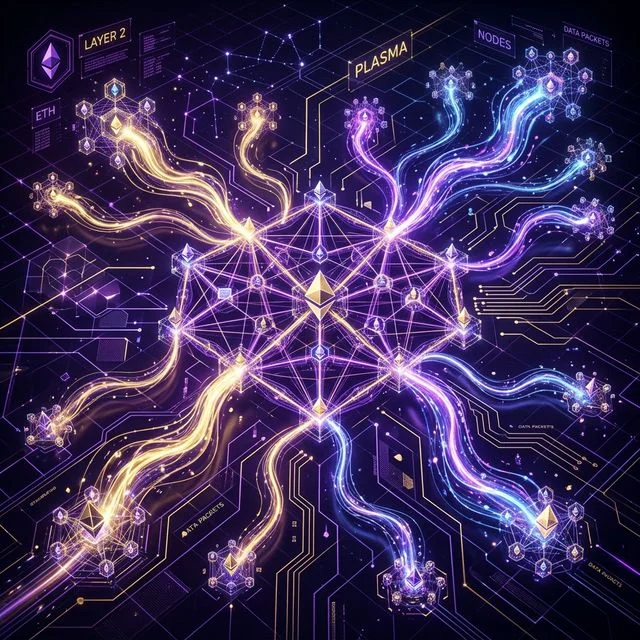
Layer-2 rollup chains solved this bottleneck. By bundling thousands of transactions off-chain and posting them as a single compressed batch to the parent layer, L2s have brought transaction costs down to fractions of a cent while maintaining full base-layer security.
This cost reduction has changed the economics of asset management:
- Fractional Real Estate: Investors can now buy a $50 slice of a commercial property, receiving rent payments streamed in real-time to their digital wallets.
- Liquidity Pools: Tokenized US Treasury bills are now used as standard collateral in decentralized lending protocols, replacing volatile cryptocurrencies with stable, yield-bearing traditional assets.
Regulatory Clarity: The Final Piece
The technology alone was not enough to bring traditional finance onto public ledgers. The breakthrough of 2026 is due to the implementation of clear regulatory frameworks in major financial centers, including the EU’s MiCA (Markets in Crypto-Assets) guidelines and updated digital asset frameworks in Singapore and the UK.
These regulations have established standard rules for identity verification (KYC/AML) on-chain. Institutions can now use "Permissioned Pools"—smart contracts that only allow verified, compliant wallets to interact with the tokenized assets. This ensures that a digital bond can only be traded between authorized entities, satisfying compliance demands without losing the speed and efficiency of decentralized ledgers.
The Future of Global Settlement
As DeFi 3.0 continues to expand, the line between traditional banking and public ledger networks is blurring. Major asset managers are no longer asking if they should tokenize their funds, but rather which Layer-2 network provides the best liquidity and security. The convergence of traditional finance and public blockchains is now complete, rebuilding the infrastructure of global finance from the ground up.
✓ Fact-checked · How we report
This article was written and edited by people, verified against the sources listed above, and published under FuturEdge's editorial standards. We label speculative analysis clearly and correct errors in the open.














































Commenting is currently unavailable on this article.