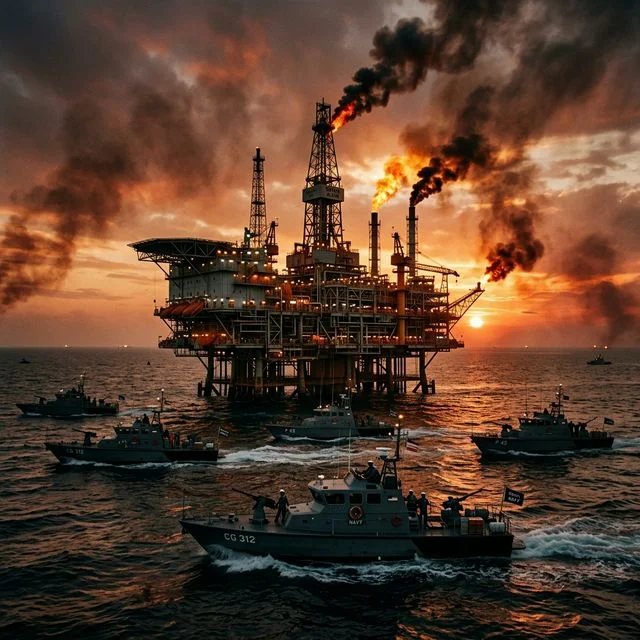
A Systemic Supply Vacuum
The international energy sector is on high alert today as Brent crude projections surged toward the $220-a-barrel mark, following prolonged outages at the South Pars gas field. As the Middle East energy crisis enters a volatile new phase, the targeting of key infrastructure has created a "supply vacuum" that analysts warn could take months to stabilize.
The Impact of Regional Volatility
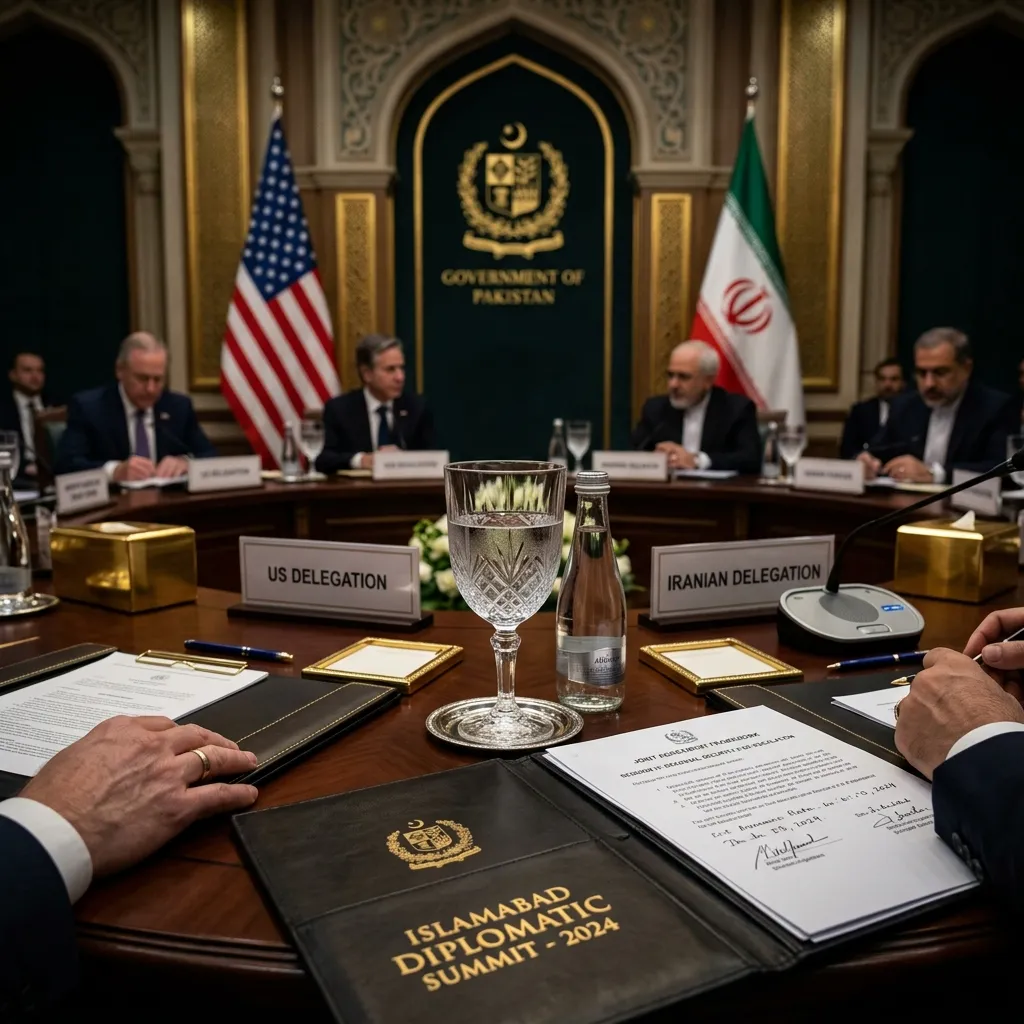
Diplomatic channels remain open, but the immediate impact is being felt at fuel pumps from London to Sydney, where prices have hit record highs. Governments are reportedly weighing the release of emergency strategic reserves to prevent a full-scale economic decoupling. Military escorts for tankers in the Gulf have become the new norm, yet shipping insurance premiums continue to skyrocket, further straining the global logistics network.
The Long Road to Stability
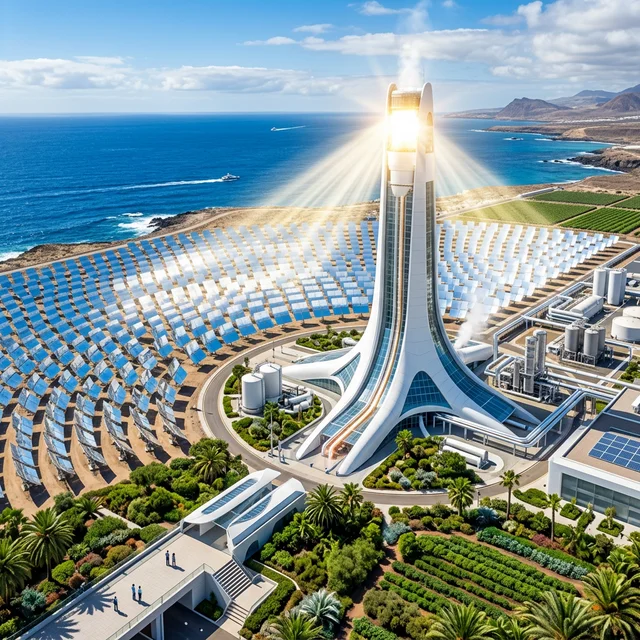
"We are witnessing the most significant energy realignment since the 1970s," stated a lead economist at the IEA. While the shift toward fusion and geothermal is accelerating, the immediate reliance on traditional fossil fuel throughput remains a critical vulnerability. Markets are bracing for a sustained period of high volatility as the world navigates this unprecedented supply-side shock.
Consumer Price Impact Across Markets
The surge in Brent crude toward the $220 per barrel mark is already feeding through to retail energy prices at a rate that is alarming consumer advocates and central banks simultaneously. European natural gas spot prices have risen 60% in four weeks as the region attempts to divert LNG shipments from other sources to compensate for the South Pars shortfall. In the United States, gasoline prices have crossed $5 per gallon nationally for the first time since 2022, with diesel — the fuel that moves goods by truck and farm equipment — reaching $6.20 per gallon in several states. The inflationary pressure from energy costs complicates Federal Reserve and European Central Bank interest rate decisions at a moment when several major economies were already managing stubborn core inflation.
Diplomatic Channels and Emergency Reserves
The International Energy Agency has authorised a coordinated release from the strategic petroleum reserves of its member nations — the third such coordinated release in the IEA's history — intended to inject approximately 60 million barrels of crude oil supply over 30 days to cushion the market while diplomatic efforts proceed. The US State Department has opened back-channel communications with Gulf producers seeking additional voluntary production increases, while simultaneously engaging European allies on coordinated demand reduction measures and an accelerated timeline for LNG import facility approvals that have been stalled in permitting for years.
How Oil Markets Are Responding
Crude oil futures markets have moved into a structure that traders call "backwardation" — near-term contracts are priced higher than longer-dated ones, reflecting genuine current supply tightness rather than speculative futures positioning. When backwardation is steep, it discourages storage (since forward prices don't compensate for storage costs) and pulls available supply to current consumers, which itself tends to sustain high near-term prices.
The International Energy Agency emergency oil release — coordinated with the US Strategic Petroleum Reserve — has provided roughly 60 million barrels of additional supply over 30 days. At a global consumption rate of approximately 102 million barrels per day, that release represents less than one day's global demand. It is a market confidence signal rather than a supply solution.
The Longer-Term Supply Picture
The crisis has catalysed accelerated permitting decisions that were previously stalled for environmental reasons. The EU fast-tracked three LNG import facility approvals in March 2026 that had been pending for over two years. Norway has opened additional North Sea blocks for exploration. The United States lifted certain permitting constraints on liquefied natural gas export facility expansions.
None of these decisions provide immediate supply relief — new LNG terminals take 3–5 years to construct, and new exploration results in oil or gas production on similar timelines. The short-term and long-term energy markets are operating under entirely different conditions, and the policy decisions being made now to address the 2026 crisis will shape the supply landscape of the early 2030s.





































































Commenting is currently unavailable on this article.