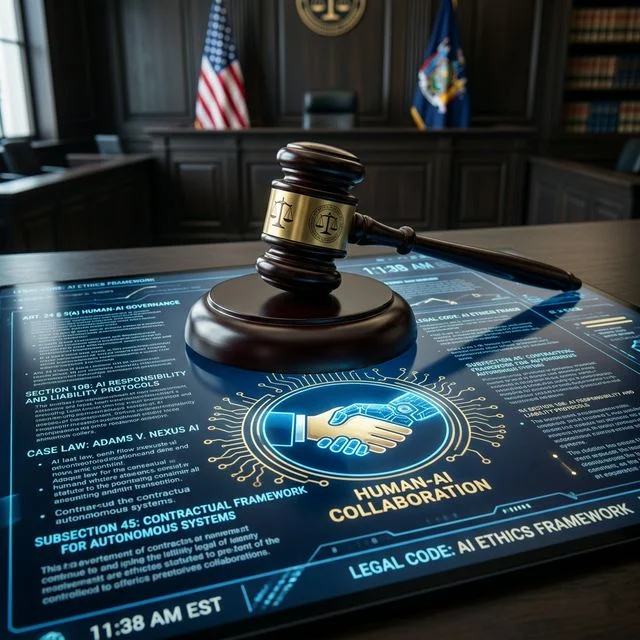
A Landmark Day for AI Governance
March 20, 2026, will be remembered as a turning point for AI regulation in the United States. In a coordinated display of legislative action, the states of Idaho, Virginia, and Washington have all passed comprehensive bills aimed at curbing the potential harms of generative and agentic AI systems. This surge in state-level policy highlights the growing frustration with the pace of federal AI oversight.
Idaho's Strike Against Algorithm Addiction
Idaho's new 'Digital Health Act' is the first of its kind to explicitly target 'addictive algorithms' in social media platforms. The law requires platforms to disable predictive auto-play and recommendation feeds for minors by default, and introduces mandatory 'transparency nodes' where users can see why a specific piece of AI-generated content was shown to them.
Virginia and Washington: Fraud and Safety
In Virginia, lawmakers focused on the economic impact of AI, passing bills that define AI-generated deepfakes used for financial fraud as a distinct felony. Meanwhile, Washington state passed the 'Chatbot Safety Act,' which mandates that any AI agent interacting with a child must have an explicit 'Safety Governor' module capable of terminating harmful or manipulative conversations immediately.
The Federal Ripple Effect
These state-level victories are expected to increase pressure on Congress to pass a unified federal AI framework. For now, tech companies operating in the US must navigate an increasingly complex 'patchwork' of regulations, making the role of AI compliance officers more critical than ever.


















































































Join FuturEdge to share your thoughts on this article.