
The Actual Trend Is Down, Not Up
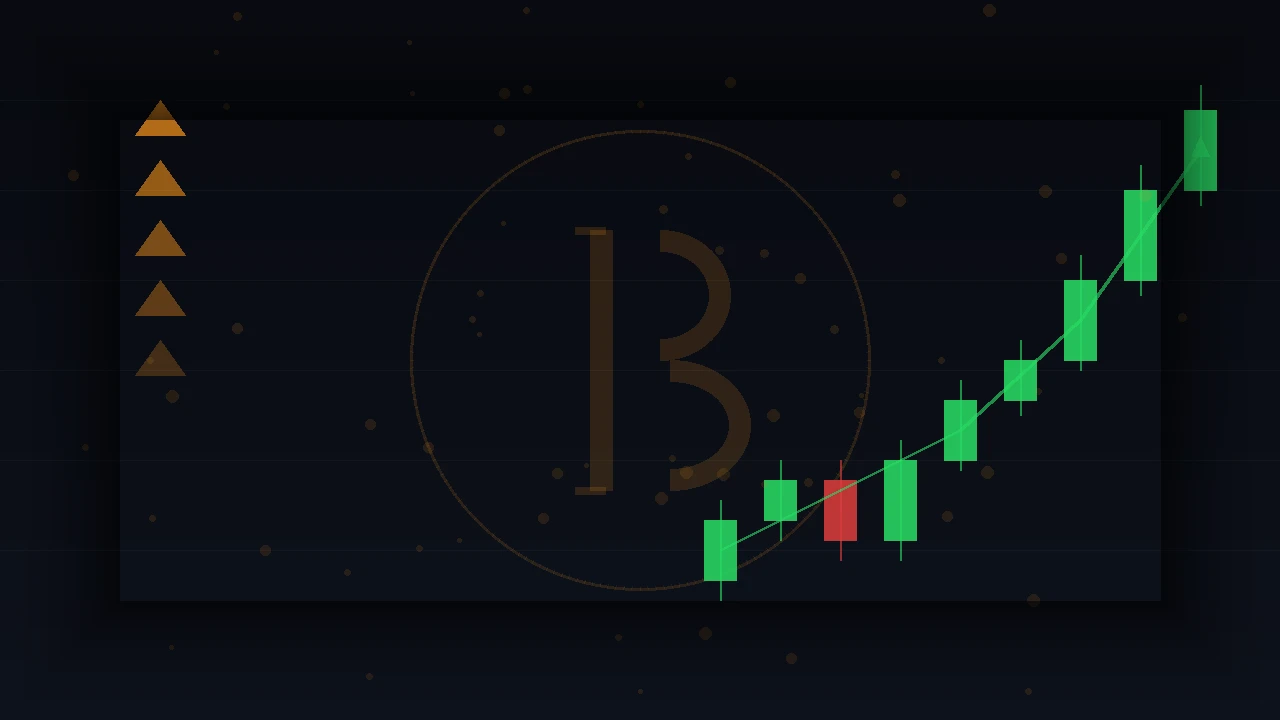
DeFi has not had a 2026 "renaissance" with total value locked surpassing $300 billion. The real trend has run the other direction: total DeFi TVL across roughly 450 chains stood at about $71.8 billion as of June 18, 2026, down 37% year-to-date from the roughly $114.5 billion the market opened the year with.
Ethereum's Position
Ethereum remains the largest single chain by TVL, holding about 53% of the DeFi market — roughly $38 billion as of mid-June 2026 — but that figure itself represents a steep decline, with some estimates putting Ethereum's DeFi base down around 40-43% for the year.
What's Driving the Decline
Reporting on the 2026 contraction points to a combination of factors: falling crypto asset prices reducing the dollar value of locked collateral, a string of costly protocol hacks (one tracker put 2026 hack losses at roughly $942 million), and only a small number of chains managing to grow their TVL against the broader trend.
Layer 2s and Real-World Assets
Ethereum's Layer 2 networks (Arbitrum, Optimism, and others) continue to offer dramatically lower transaction costs than Ethereum mainnet, and real-world-asset tokenization remains an active area of development. But neither trend has been enough to offset the broader pullback in DeFi capital this year.
The Takeaway
Anyone citing a "$300 billion DeFi TVL milestone" in 2026 is describing a scenario that hasn't happened — the real number is roughly a quarter of that, and falling.
Sources
- DeFi TVL drops 39% YTD to $70 billion — CryptoRank
- DeFi TVL Shrinks 39% In 2026, Hacks Cost $942M As Only Two Chains Grow
- Ethereum — DeFi TVL, Fees, & Revenue — DefiLlama
What Actually Happened to DeFi in Mid-2026
Total Value Locked (TVL) in Ethereum DeFi protocols peaked at approximately $180 billion in November 2021, collapsed to under $40 billion in the 2022 bear market, partially recovered to approximately $95 billion by the October 2025 bull market peak, and has since contracted back to approximately $60 billion in mid-2026 alongside the broader crypto market correction.
The word "renaissance" in some coverage overstates the current situation. DeFi activity is lower than its 2021 peak in absolute terms, though the user base is more institutional and protocols are more audited and battle-tested.
What Has Actually Improved
Real yield — leading DeFi protocols now generate revenue from actual economic activity (trading fees, interest spreads) rather than token emissions. Uniswap v4 generates approximately $2–5 million in daily trading fees from liquidity providers.
Institutional access — permissioned DeFi pools (Aave Arc, Compound Treasury) allow institutional investors to lend and borrow with KYC/AML compliance, a segment growing faster than retail DeFi.
L2 migration — Ethereum base layer DeFi activity has partially migrated to Arbitrum, Optimism, and Base, where gas costs are 10–100x lower. This improves accessibility but fragments liquidity.
RWA integration — tokenized real-world assets (Treasuries, credit) being composed with DeFi lending protocols represents a genuinely new activity category.
The Accurate Label
"Contraction and consolidation" better describes 2026 DeFi than "renaissance." Protocols that survived the 2022 crash did so by generating genuine revenue and maintaining audited, conservative smart contract designs. The survivors are more robust, but the exuberance of 2021 has not returned — and that is arguably a healthy sign.





























































Commenting is currently unavailable on this article.