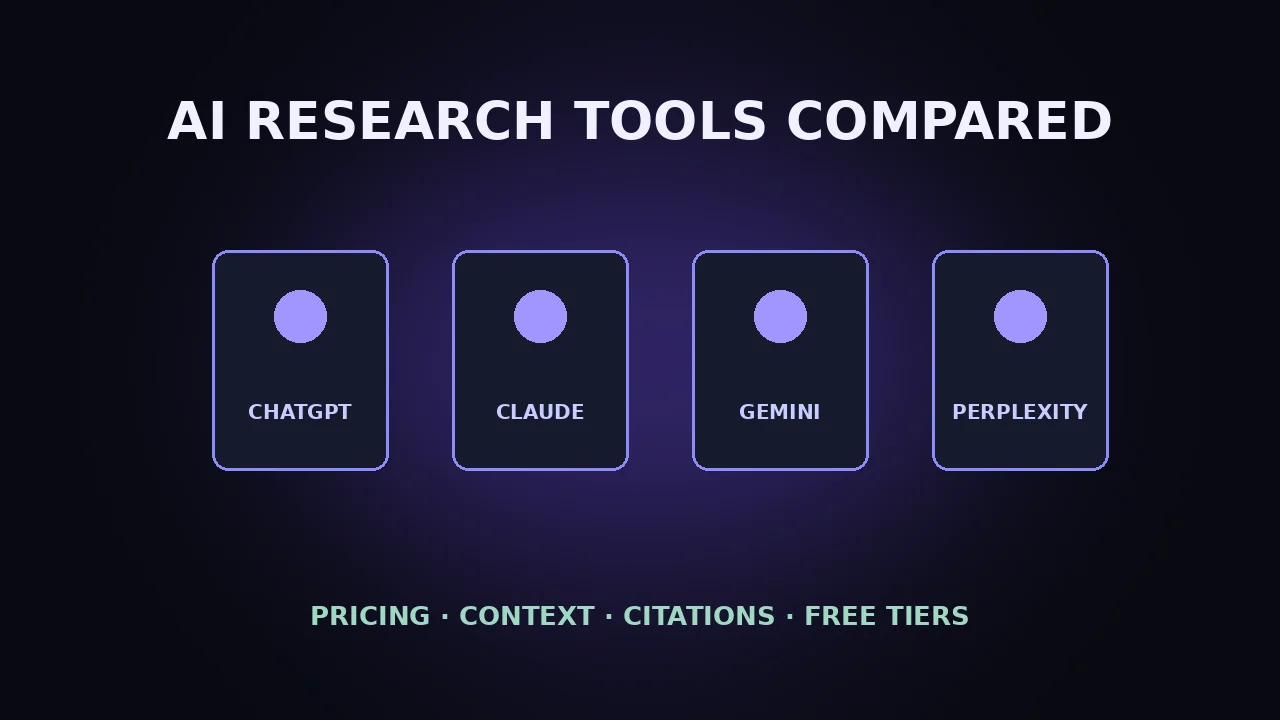
The Pricing Is Nearly Identical — the Products Aren't
Four major AI assistants sit within a few dollars of each other: Google AI Pro at $19.99 per month, with ChatGPT Plus, Claude Pro and Perplexity Pro all around $20, and SuperGrok higher at roughly $30. Because the prices converge, the choice comes down entirely to what each does best — and they differ more than the pricing suggests.
Note before we start: capabilities and limits in this category change monthly. Everything here reflects reporting as of late July 2026; check current plan details before subscribing.
What Each One Actually Leads At
ChatGPT — the largest platform by a wide margin at around 900 million weekly users, and the highest message allowance on the standard plan. The recent ChatGPT Work release turns it into a desktop agent that plans tasks, browses, and produces files. Best for: general-purpose work, highest volume of queries, and agentic task execution.
Claude — leads most published benchmarks for coding and long-form writing, with a generous message allowance on Sonnet-tier models. Best for: writing that needs to hold structure over length, code work, and analysis of long documents.
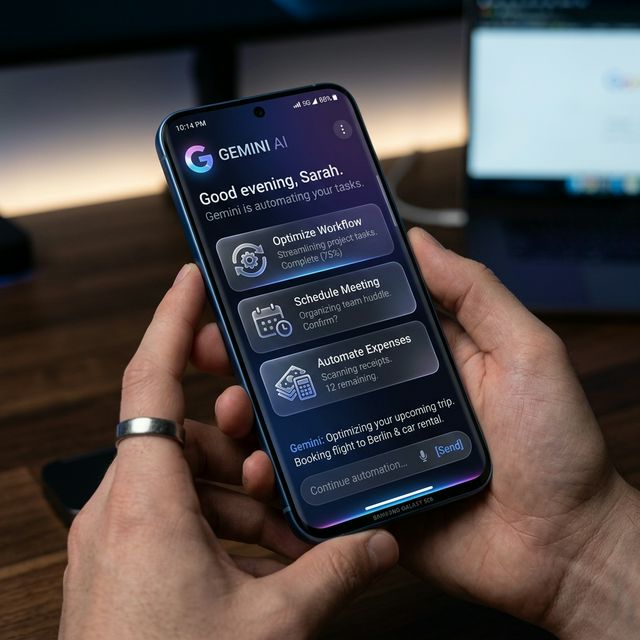
Gemini — the largest context window at 1 million tokens on Gemini 3 Pro, plus native Google Workspace integration. Best for: anyone working inside Gmail, Docs and Drive, or feeding very large document sets in one go.
Perplexity — built for research rather than conversation, with roughly 94% citation accuracy and every claim linked to a source. Important caveat: Deep Research limits were cut sharply in early 2026, from hundreds of reports per day to around 20 per month, which changes what the subscription is for. Best for: search-augmented questions where you need to verify sources, rather than daily report generation.
Grok — real-time data access and the most permissive content guardrails, at the highest price point. Best for: users who specifically need current-event access and fewer refusals.
The Free Tiers Are Better Than People Assume
You do not need to subscribe to anything to do serious work. Claude's free tier is the most capable for document analysis. Gemini's free tier is strongest if you live in Google Workspace. Perplexity's free tier remains the best free option for cited research. ChatGPT's free tier covers general use.
A genuinely reasonable strategy: use free tiers for a month, notice which one you hit limits on, and subscribe to that one.
Which Should You Actually Pay For?
If you write for a living: Claude. The long-form quality gap is the most consistently reported difference in the category.
If you code: Claude or ChatGPT. Claude leads benchmarks; ChatGPT's agent mode may matter more depending on your workflow.
If you research and cite: Perplexity for source verification, but pair it with something else for generation — the reduced Deep Research quota makes it a supplement rather than a sole tool.
If you work in Google Workspace: Gemini. The integration advantage is real and the context window is the largest available.
If you want one subscription for everything: ChatGPT. It is the most general-purpose, and the agent capabilities cover the widest range of tasks.
The Honest Answer: Most Serious Users Run Two
There is no single winner in 2026, and anyone claiming otherwise is usually selling something. The common pattern among people who work with these tools daily is a hybrid: one strong generalist (ChatGPT or Claude) plus one specialist (Perplexity for sourcing, or Gemini for Workspace). At roughly $40 a month combined, that is still less than most professional software subscriptions, and it removes the need to compromise.
If you only ever pay for one, pick based on your single most frequent task — not on benchmark tables, which measure things most users never do.
Disclosure
FuturEdge does not hold paid placement arrangements with any AI provider named here. If we add affiliate links in future they will be marked and covered by our Affiliate Disclosure. Pricing and limits verified against published sources in late July 2026 and subject to change.
For deeper coverage of where these models are heading, see our Agentic AI hub.


























































Commenting is currently unavailable on this article.