A Week That Broke the Release Cadence
Frontier AI has settled into a rhythm of roughly one significant release a week. The week of July 20–26 ignored that entirely. Between agent products, trillion-parameter open models, and a multimodal generation system, this was one of the densest release weeks the industry has had — and the pattern says as much as the products.
Here are the ones worth your attention, and honestly, who each is actually for.
1. ChatGPT Work — OpenAI
OpenAI's most consequential product release of the month is not a model, it's a container. ChatGPT Work turns ChatGPT into a desktop agent that plans tasks, browses, edits files, and produces finished deliverables across devices, merging the Codex coding capability into the main application.
Who it's for: knowledge workers whose bottleneck is task execution rather than idea generation. If your work involves stitching together research, documents, and tools, this is the release that matters most this week.
2. Kimi K3 — Moonshot AI
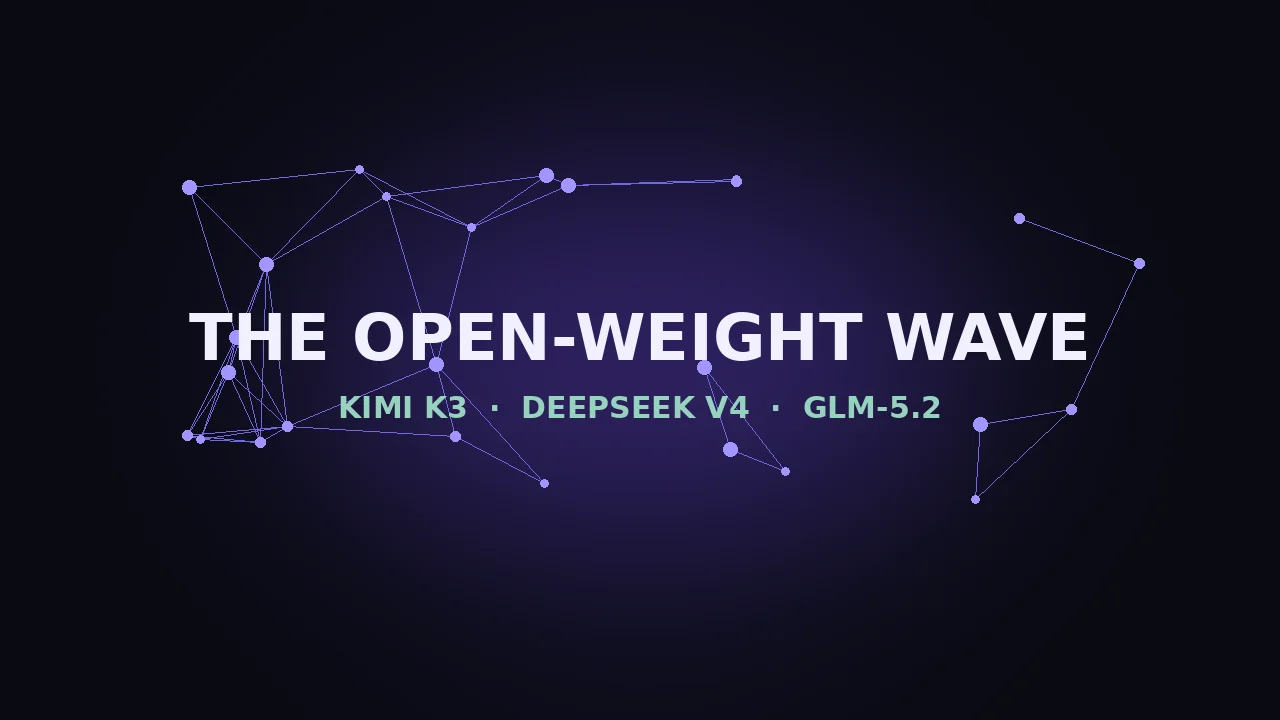
Moonshot's Kimi K3 arrived as a 2.8-trillion-parameter sparse model built with Delta Attention and attention residuals, with native vision and a one-million-token context window. Full weights are due July 27 under a modified MIT licence, with API pricing reported at $0.30 per million cache-hit input tokens.
Who it's for: teams that want frontier-adjacent capability on their own infrastructure. If your constraint is data governance or per-token cost at scale, this is the most important open release of the month.
3. FLUX 3 — Black Forest Labs
FLUX 3 is Black Forest Labs' first multimodal model, jointly trained across image, video, audio, and action. Previous FLUX generations set the bar for open image quality; extending that into a single joint model is a genuine architectural step rather than a version bump.
Who it's for: creative teams and product builders working across media types who have been stitching separate models together.
4. Nemotron 3 Embed — NVIDIA
Less glamorous, quietly important: NVIDIA's Nemotron 3 Embed models took the top overall position on the RTEB benchmark, with the 8B variant scoring 78.5% on RTEB and 75.5% on MMTEB Retrieval.
Who it's for: anyone building retrieval-augmented systems. Embedding quality is the least discussed and most decisive variable in whether a RAG system actually works.
5. Codex Micro — OpenAI
A $230 dedicated coding keyboard from OpenAI. Hardware from a model lab is a strategic signal more than a product category — the same instinct behind the io Products acquisition now at the centre of Apple's lawsuit.
Who it's for: early adopters and, mostly, anyone reading the tea leaves on where OpenAI is heading.
6. Roblox Build
Roblox announced Build, a mobile-first creation tab that generates basic games from text prompts, with public alpha starting July 28 in New Zealand.
Who it's for: Roblox's enormous young creator base — and it's the most consequential mainstreaming of generative tooling on this list, by pure user count.
What the Week Actually Tells You
Three patterns are visible underneath the individual launches.
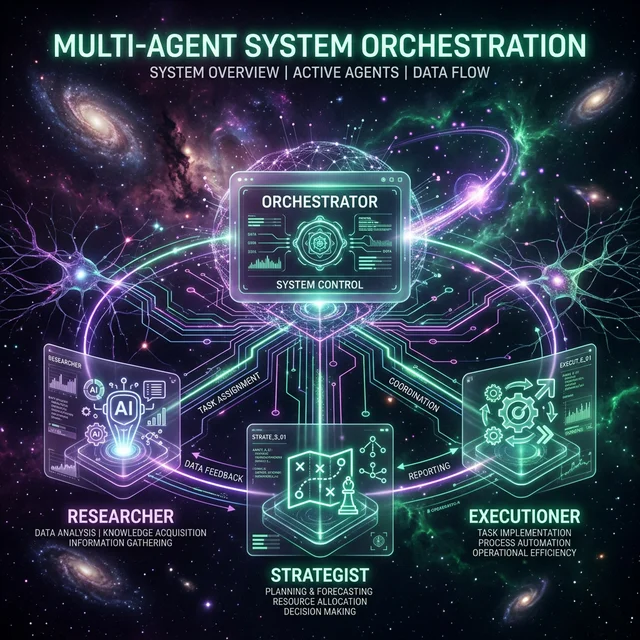
Agents are the product now. ChatGPT Work and Codex Micro are both bets that the interface layer, not raw model quality, is where the next competitive advantage sits.
Open weights are closing the gap on capability while beating closed models on cost. Kimi K3's specifications would have been frontier-exclusive a year ago.
Modality boundaries are dissolving. FLUX 3 training image, video, audio, and action jointly is the direction everything is heading.
For deeper coverage of the agent shift specifically, see our Agentic AI hub. We publish this roundup weekly.






















































Commenting is currently unavailable on this article.