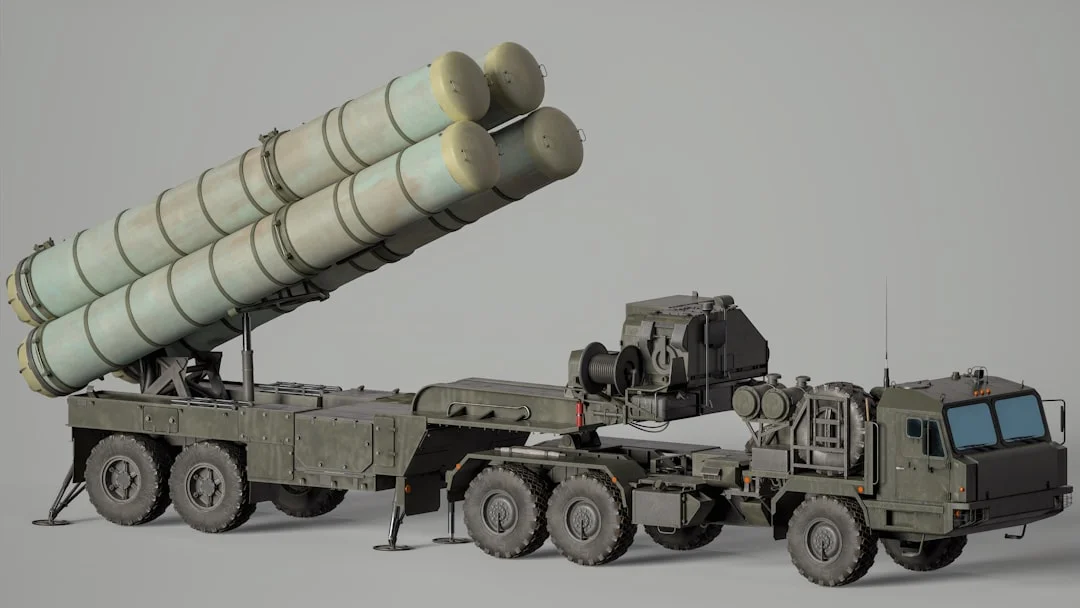
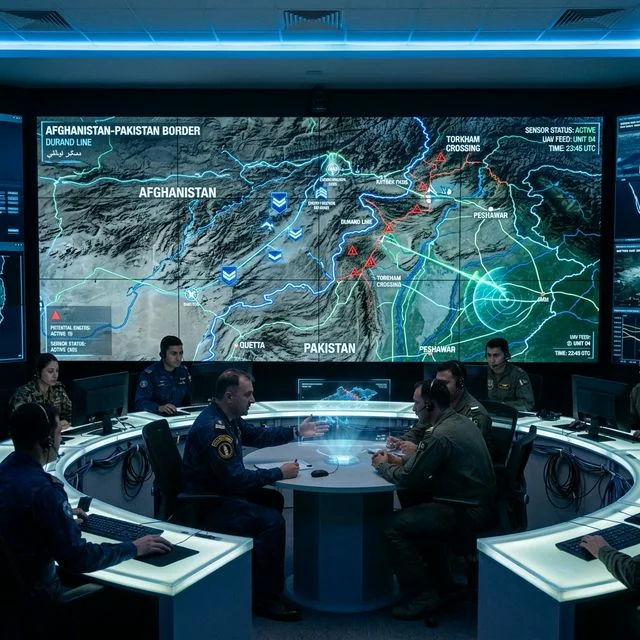
In a groundbreaking move set to reshape the landscape of military technology procurement, the US Army has announced a significant partnership with defense technology company Anduril Industries. The deal, valued at up to $20 billion, consolidates more than 120 separate procurement actions into a single, cohesive enterprise contract, marking a pivotal shift in how the Army approaches its technological advancements.
The contract with Anduril, known for its cutting-edge defense technologies and innovations, is expected to streamline the Army's procurement processes, enhancing efficiency and reducing bureaucratic overhead. This strategic consolidation aligns with the Army's broader modernization efforts, aiming to integrate advanced technologies more effectively and respond swiftly to emerging threats.
Key Details of the Story
Anduril Industries, a relatively young player in the defense sector, has rapidly gained recognition for its innovative use of artificial intelligence, sensor technology, and autonomous systems. The company's flagship products, such as the Lattice AI platform and its autonomous drone systems, have already demonstrated significant potential in various defense applications.
This contract represents a substantial commitment by the US Army to leverage Anduril's technological prowess. It underscores the Army's focus on adopting next-generation technologies to maintain strategic superiority and operational readiness. The deal not only provides a financial boost to Anduril but also solidifies its position as a key partner in the US defense ecosystem.
Background Information
The shift towards consolidating procurement actions into a single contract is part of a broader trend within the Department of Defense to optimize procurement and acquisition strategies. Historically, the Army's procurement processes have been fragmented and often criticized for inefficiency and delays. By consolidating these actions, the Army aims to speed up the integration of new technologies and reduce the time from development to deployment.
Anduril's rapid ascent in the defense industry can be attributed to its agile approach and its ability to deliver innovative solutions tailored to modern warfare's evolving demands. Founded by Palmer Luckey, the company has consistently pushed the envelope in defense tech, challenging traditional defense contractors with its technology-driven solutions.
Conclusion
The implications of this contract are far-reaching, with the potential to redefine the future of military procurement and technology integration. As Anduril embarks on this significant partnership with the US Army, the defense sector will likely witness accelerated innovation and a more cohesive approach to addressing the challenges of modern warfare.
Looking ahead, the success of this contract could set a precedent for future collaborations between the military and technology firms, highlighting the critical role of private sector innovation in national defense strategies.
What Anduril Actually Makes
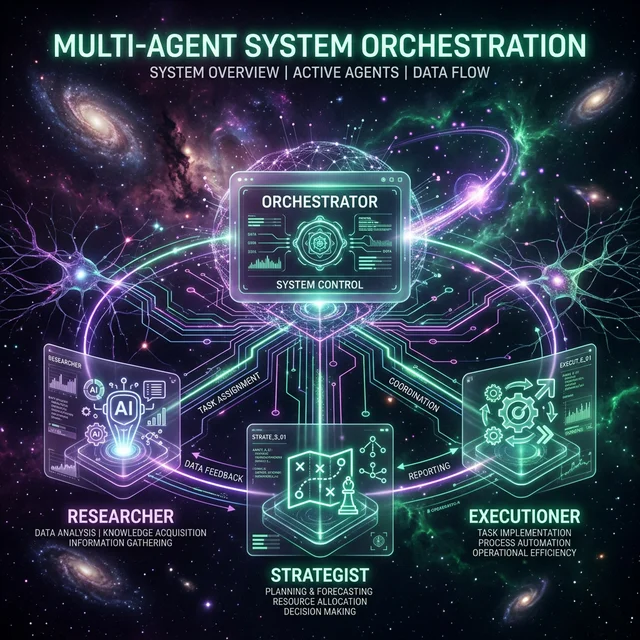
Anduril Industries was founded in 2017 by Palmer Luckey (the founder of Oculus VR) with a specific thesis: that the defense industry's traditional procurement model — large contractors, long development cycles, cost-plus contracts — was producing increasingly obsolete hardware at increasing cost. Anduril's approach is software-first autonomous systems built on its Lattice AI platform, which provides a common operating picture and autonomous tasking framework across physical assets.
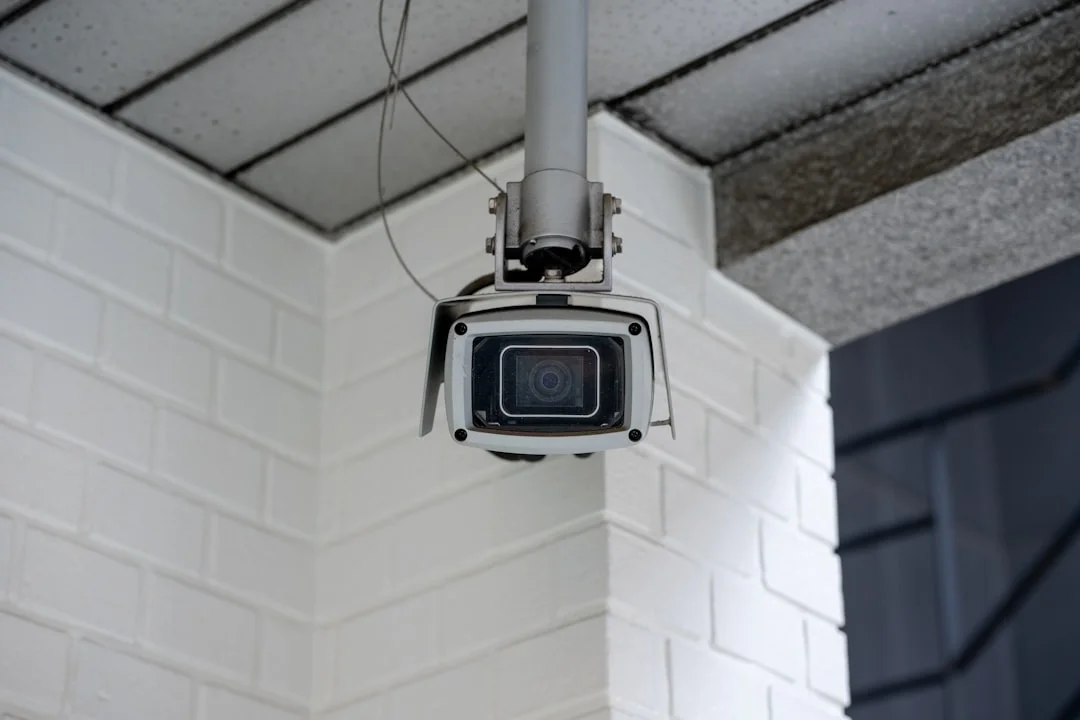
Anduril's current product portfolio includes: Sentry Tower (autonomous surveillance towers deployed on the US-Mexico border), Ghost (a small autonomous fixed-wing aircraft), Fury (a larger multi-mission drone), Pulsar (electronic warfare systems), and Dive-LD (an autonomous undersea vehicle). The $20 billion Army contract likely covers a mix of these platforms plus integration services.
The TRUST Act Context
The contract has attracted Congressional attention partly because of a broader debate in Washington about autonomous weapons. The TRUST in Autonomous Weapons Act (TRUST Act), introduced in 2025, would require explicit Congressional approval before the military could deploy AI systems capable of autonomous lethal decision-making. The bill has not passed but has altered how the Pentagon characterises its AI procurement.
Anduril has been careful to describe its systems as "human-on-the-loop" rather than fully autonomous — meaning a human operator can override at any point, but routine target identification and tracking can proceed without constant human input. Whether that distinction satisfies TRUST Act requirements if the bill passes is a live legal question.
Anduril's Competitive Position
Anduril is competing most directly with Palantir (AI software for military command and control), Shield AI (autonomous aviation), and increasingly with the AI divisions of traditional primes like Lockheed Martin and Raytheon. The $20 billion Army contract, if executed in full, would make Anduril one of the top 10 defense contractors by revenue — a remarkable position for an eight-year-old company.






















































Commenting is currently unavailable on this article.