
A Fragile Kind of Calm
A week is a long time in this market. Last Monday, Bitcoin was breaking below its 200-week moving average as oil spiked on the Hormuz crisis and $73 million in leveraged longs evaporated. This weekend, the picture is calmer: BTC trades near $63,900, up modestly over 24 hours, with dominance holding at 56.4% and the total crypto market capitalization at roughly $2.27 trillion.
Calm, however, is not conviction — and the data underneath this stabilization tells two different stories at once.
The Bull Case: Institutions Came Back
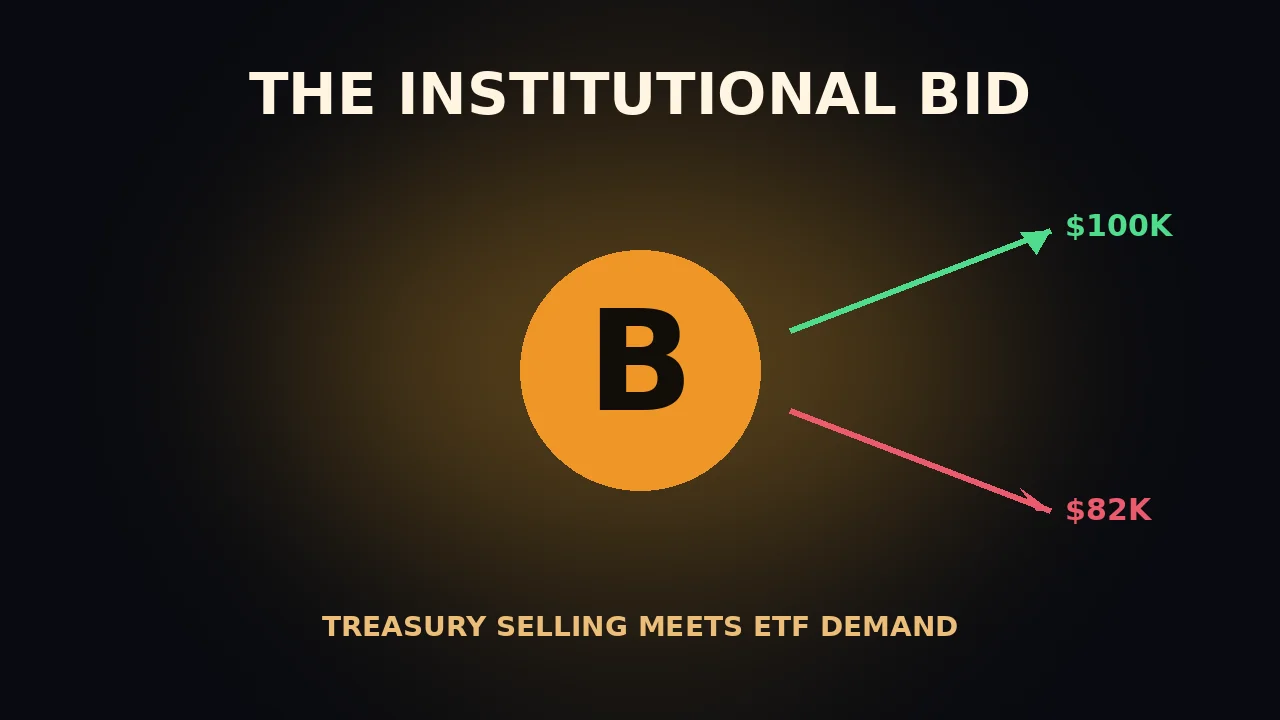
The clearest positive is flows. US spot Bitcoin ETFs recorded $132 million in net inflows on July 17, extending the reversal that began the previous week after June's record-setting $4.5 billion outflow month. Ethereum funds added $36.7 million the same session. After fifty-plus days of negative Coinbase Premium and relentless institutional selling, even modest sustained inflows mark a regime change worth respecting.
Improving regulatory expectations get part of the credit — which is where the story complicates.
The Bear Case: Fear, and a Stalled Bill
Sentiment refuses to confirm the price action. The Fear & Greed Index slipped from 27 to 25 this week — deeper into Extreme Fear — even as prices recovered. Traders, in other words, are treating the bounce as a reprieve rather than a bottom.
The regulatory catalyst markets have waited on all summer is also wobbling: negotiations over the CLARITY Act — the market-structure bill that would finally define which digital assets fall under SEC versus CFTC jurisdiction — have stalled in Congress. Every previous 2026 rally attempt has leaned on CLARITY optimism; every stall has coincided with a leg down. Add the unresolved Hormuz standoff, which last week demonstrated exactly how fast macro shock transmits to crypto, and the caution reads as rational rather than reflexive.
The Levels and the Catalysts
Technically, the picture is binary and clean. Bitcoin reclaiming and holding the 200-week moving average converts last week's breakdown into a bear trap — historically a powerful signal. Failure keeps the structure broken regardless of ETF flows. Overhead, the $64,000–65,000 zone that rejected price twice this month remains the gate to any larger recovery.
The catalysts are equally legible: CLARITY Act movement in either direction, Gulf de-escalation or escalation, and whether ETF inflows survive their first red week. Until at least two of those resolve favorably, this is a market stabilizing on institutional flows while retail sentiment sits in a bunker — a divergence that rarely persists for long, in either direction.
This article is market reporting, not investment advice.





































































Commenting is currently unavailable on this article.