
AI-Driven Smarter Systems Powering Growth
As of March 16, 2026, the US consumer technology industry is entering a new era of unprecedented expansion. A comprehensive forecast released ahead of CES 2026 by the Consumer Technology Association (CTA) highlights a projected revenue of $565 billion—a 3.7% year-over-year increase that signals resilience in a challenging economic climate.
The Software Pivot: AI as the Multiplier
While hardware continues to be a core pillar, the real story of 2026 lies in the software-led revolution. Spending on AI-enabled software and services is expected to reach nearly $194 billion, growing at 4.2%. Consumers are no longer just buying devices; they are investing in the intelligence behind them. From hyper-personalized healthcare assistants to autonomous productivity platforms, AI is becoming the foundational value proposition for premium tech.
Economic Resilience and Global Challenges
The industry's growth comes despite ongoing tariff pressures and supply chain uncertainties. Larger tech firms are successfully leveraging their ecosystem lock-in to drive high-margin subscription models, while smaller innovators are finding niche growth through specialized AI applications. This shift toward high-value, software-integrated products is helping maintain margins even as production costs fluctuate due to geopolitical instability in other markets.
Future Outlook: A Personalized Tech Ecosystem
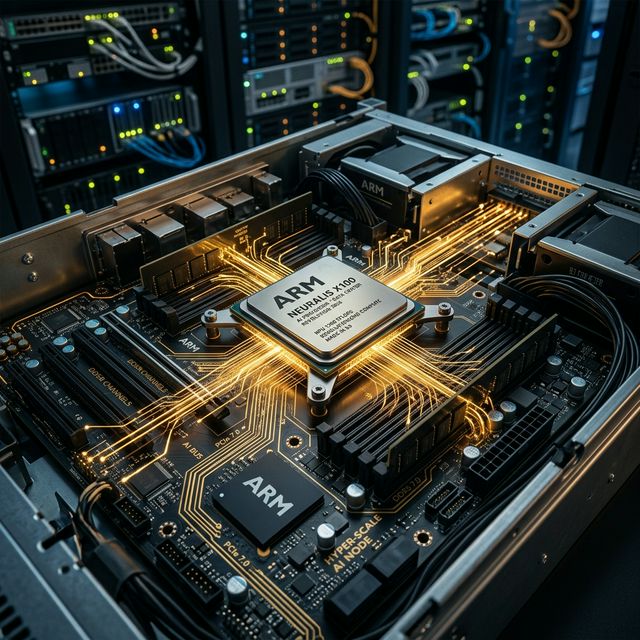
By the end of 2026, the CTA anticipates that nearly 80% of all premium consumer electronics will feature dedicated AI processing chips. This "on-device intelligence" trend is expected to reduce latency and improve data privacy, further accelerating consumer trust and adoption. As the industry marches toward 2030, the integration of physical AI and multiagent systems remains the primary strategic priority for the world's leading tech organizations.
Analysis: The New Premium Standard
This $565B milestone is more than just a number—it represents a fundamental shift in consumer demand. Innovation is no longer measured in raw hardware specs but in the sophistication of the AI-driven experiences they provide. For FuturEdge readers, this signifies a period of rapid technological maturation where the boundary between our digital and physical tools continues to blur.
Where the $565 Billion Comes From
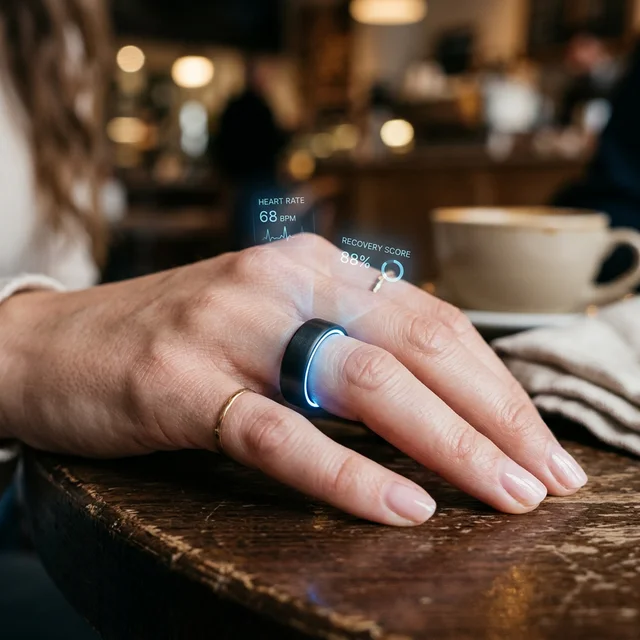
The CTA's $565 billion consumer technology revenue forecast for 2026 breaks down across several major categories. AI-enabled devices are the fastest growing segment, projected at roughly $120 billion — a category that didn't exist in meaningful form three years ago. This includes AI PCs (laptops and desktops with dedicated neural processing units capable of running on-device AI models), AI-integrated smartphones (from all major manufacturers), and emerging AI wearable devices including smart glasses and AI-enhanced earbuds.
Traditional computing hardware — standard PCs, monitors, and peripherals — contributes approximately $95 billion but is growing slowly or flat. The replacement cycle for non-AI hardware has extended as consumers defer upgrades until AI-capable hardware represents a meaningful step change.
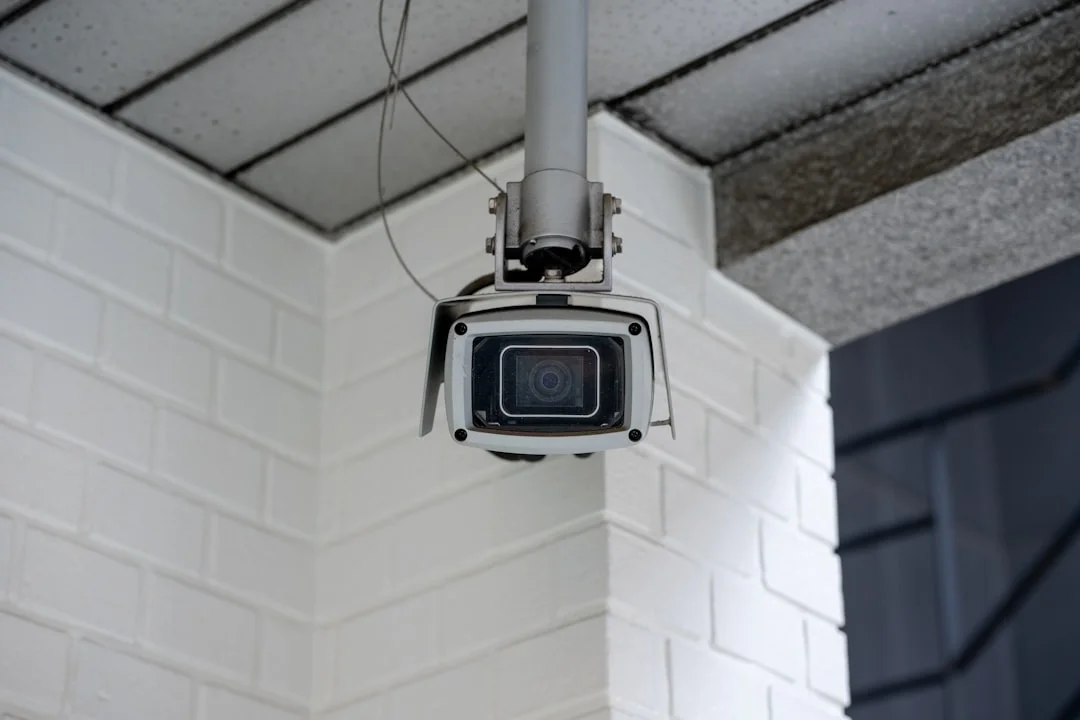
Connected home devices (smart speakers, displays, robot vacuums, security cameras) represent approximately $80 billion, with growth driven primarily by AI-enhanced versions of existing product categories.
The AI PC Transition
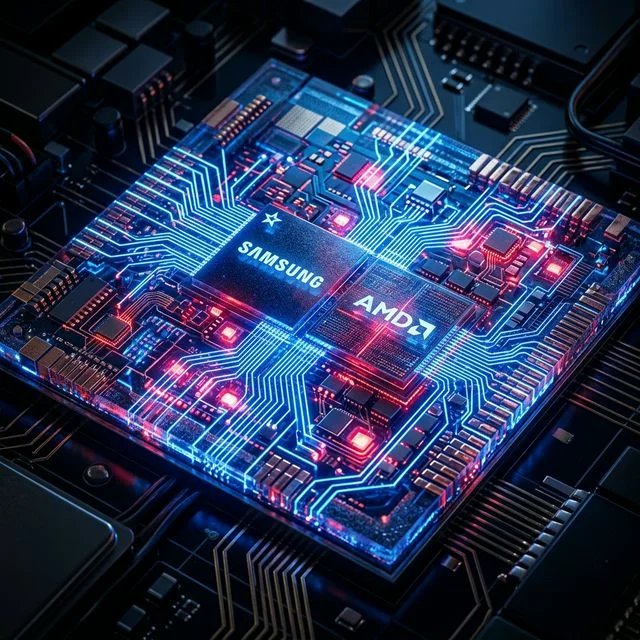
The AI PC category is the clearest example of how AI integration is changing consumer electronics economics. Intel's Meteor Lake and AMD's Ryzen AI architectures — which add dedicated NPU silicon for on-device AI inference — have become the standard for mid-range and above laptops in 2026. Microsoft's Copilot+ PC specification requires a minimum of 40 TOPs (tera-operations per second) of NPU performance, a threshold that shapes PC chip procurement.
Consumers are paying a modest premium (typically $100–$200) for AI PC certification, primarily because Microsoft's Windows 11 AI features (Cocreator in Paint, live captions, Windows Recall) only run on compliant hardware. The upgrade incentive is present but not yet compelling enough to drive rapid cycle compression — most analyst forecasts put AI PC market share at 45–50% of new PC shipments by end of 2026.

























































Commenting is currently unavailable on this article.