
Correcting the Timeline
GPT-5 was not unveiled in early 2026 — OpenAI announced it on August 6, 2025, and began rolling it out across ChatGPT, the API, and GitHub Models the next day, August 7, 2025. By mid-2026, GPT-5 is not OpenAI's newest model; it's roughly a year into deployment and has already been followed by newer releases.
What GPT-5 Actually Delivered
At launch, GPT-5 unified reasoning, multimodal input, and task execution into a single system, removing the need to switch between specialized models. OpenAI reported strong benchmark results at the time: 94.6% on AIME 2025 math problems without tool use, 74.9% on SWE-bench Verified for real-world coding, and roughly 45% fewer factual errors than GPT-4o in standard responses. The model shipped in several variants — gpt-5, gpt-5-mini, gpt-5-nano, and gpt-5-chat — aimed at different cost and latency needs.
What's Newer Than GPT-5
OpenAI's model line has continued to move quickly since GPT-5's launch. GPT-5.5 and GPT-5.5 Pro became available in the API on April 24, 2026, billed as more intuitive and capable successors. Most recently, OpenAI introduced GPT-5.6 "Sol" in a limited preview on June 27, 2026. Coverage of "GPT-5" as a brand-new, just-announced model in mid-2026 is out of date by roughly a year.
Sources
- Introducing GPT-5 — OpenAI
- GPT-5 — Wikipedia
- Introducing GPT-5.5 — OpenAI
- OpenAI & ChatGPT Timeline: GPT Release Dates to GPT-5.6 (2026)
What GPT-5 Has Actually Demonstrated After a Year
GPT-5 (released May 2025) has been in public deployment for approximately a year as of mid-2026. The real-world performance profile differs somewhat from pre-release benchmark-focused reporting.
Genuinely stronger than GPT-4o: complex multi-step reasoning (particularly in mathematics and formal logic), long-document analysis (128K context), and code generation for complex projects requiring architectural consistency across large codebases.
Less dramatic improvement than expected: creative writing quality (GPT-4o was already very strong), factual accuracy in specialized domains (both make similar types of errors), and handling of ambiguous instructions.
The Current Frontier Model Landscape
GPT-5 was the clear frontier leader at launch in May 2025. By mid-2026, the gap has narrowed: Claude Opus 4, Gemini 2.0 Ultra, and Meta Llama 4 Behemoth are all competitive at the frontier level. Power users choose models based on specific task fit rather than treating any model as universally best.
What GPT-5.6 Is Expected to Change
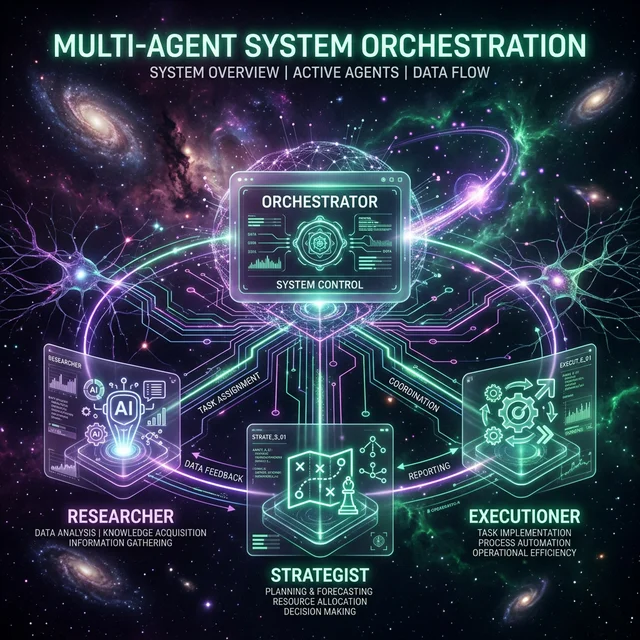
The next major OpenAI release — GPT-5.6 — is in a pre-deployment testing period following the White House's request for government review of its cybersecurity implications. The model is expected to show significant improvements in autonomous reasoning and tool use, specifically targeting the agentic reliability that has been GPT-5's relative weakness compared to Claude Opus 4's agent-native design. The pre-deployment review period is expected to last approximately 45 days from initiation.
Practical Advice for Using GPT-5
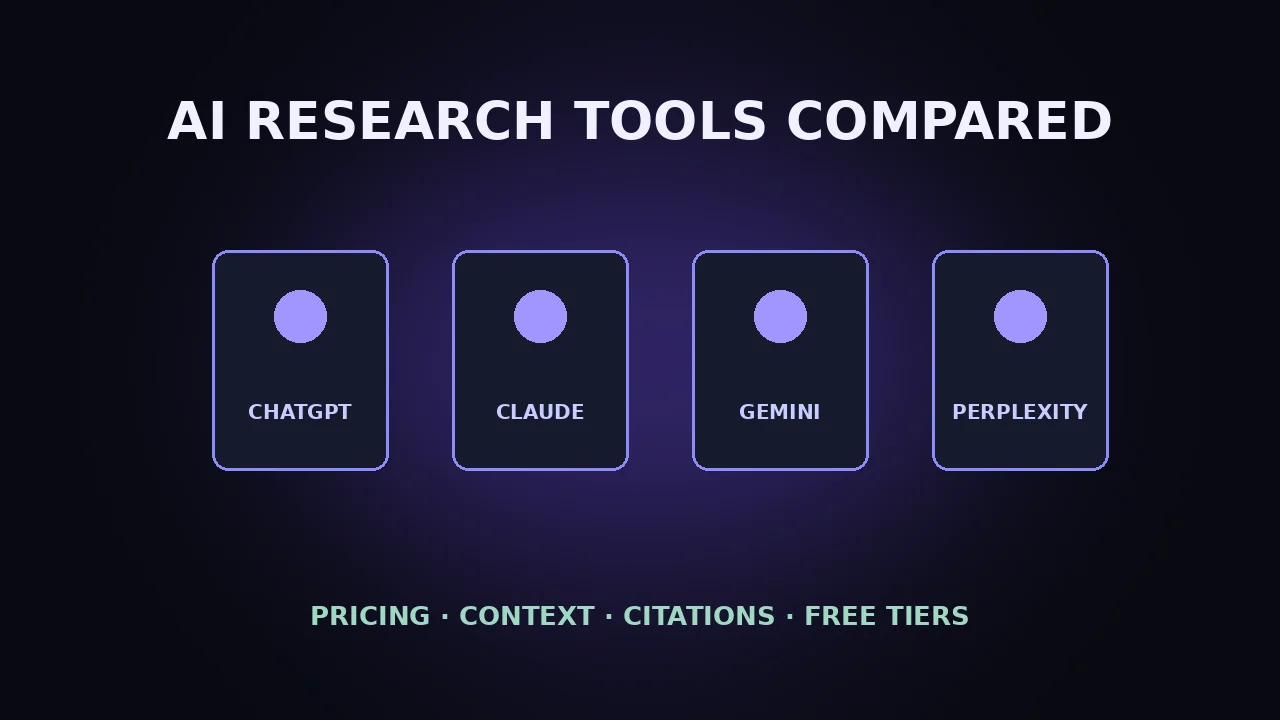
For users deciding between frontier AI options in mid-2026: GPT-5 via ChatGPT Plus ($20/month) is the best general-purpose AI assistant for most users, particularly strong for coding assistance, long document analysis, and complex multi-step research. Claude Opus 4 is preferred by users doing extended agentic work or who value lower error rates in tool-use scenarios. Gemini 2.0 Ultra has the deepest Google ecosystem integration. There is no universally "best" model — the differences are real but narrower than 2023-era gaps, and most users are better served by developing skill with one model than switching constantly.





















































Commenting is currently unavailable on this article.