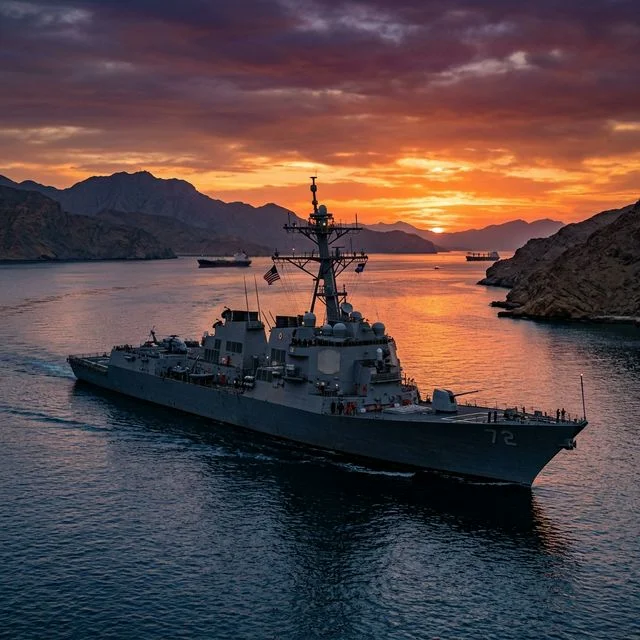
"Guardian of the Hormuz Strait"
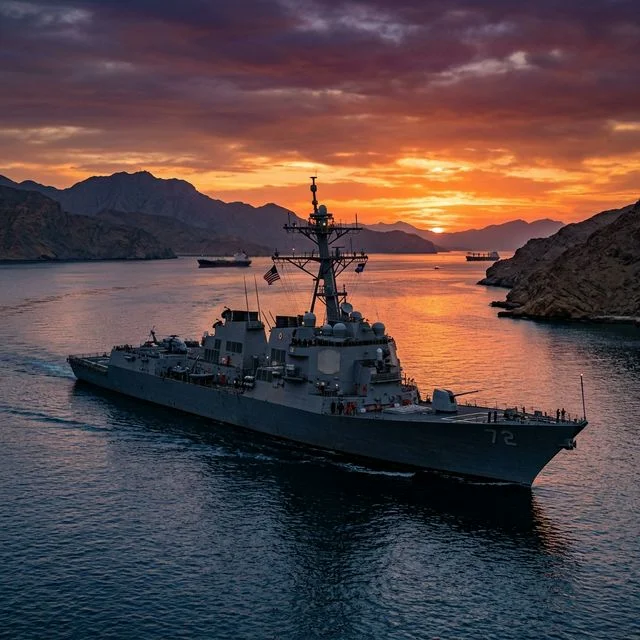
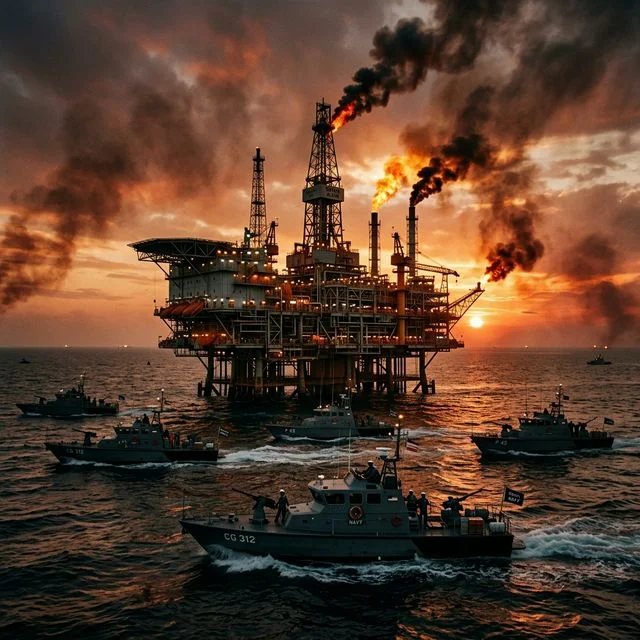
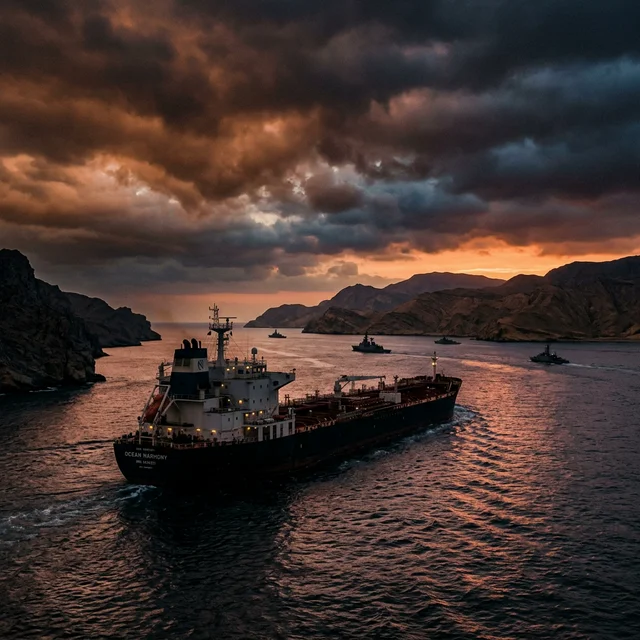
In the middle of the most serious Gulf crisis in years, President Trump introduced an idea with no precedent in modern maritime history: the United States would provide security for ships transiting the Strait of Hormuz — and charge for it. "At the rate of 20% on all cargo shipped," in his words, the US would be "reimbursed for any and all costs necessary to do the job of providing safety and security to this very volatile section of the world." America, he declared, would be known as "The Guardian of the Hormuz Strait."
The announcement landed on markets already rattled by Iran's declared closure of the strait and successive waves of US strikes. Alongside the fee, Trump said the US would reimpose its blockade of Iranian ports near the waterway — a step that turns economic pressure into physical enforcement.
The Fastest Reversal of the Crisis
The toll survived roughly a day. After what the president described as "highly productive conversations with Middle East leadership," he announced the 20% fee would be replaced by "Trade and Investment Deals that the various Gulf States will be making into the United States." The blockade, he emphasized, still goes ahead.
The economics explain the speed. A 20% levy on cargo value through a chokepoint carrying roughly a fifth of the world's oil would have functioned as a massive tax on Gulf exports — paid, ultimately, by the very states Washington needs aligned against Tehran. Al Jazeera reported regional officials privately describing the plan as "piracy." Analysts questioned basic mechanics: who assesses cargo value, who collects, and what happens to ships that decline to pay in international waters. Replacing a toll no ally would accept with investment pledges Gulf states were likely to make anyway allowed everyone to claim a win.
What Actually Changed — and What Didn't
Strip away the 24-hour fee drama and the durable facts are stark. The US blockade of Iranian ports is back, transforming the strait from a contested waterway into an enforced exclusion zone. Iran's closure declaration stands. War-risk insurance premiums remain prohibitive, and carriers continue routing around the Gulf where alternatives exist — for most oil and LNG, they don't.
The fee episode also set a precedent that will outlive the crisis: an American president openly pricing US naval protection. Allies from the Taiwan Strait to the Red Sea took note. Whether the "Guardian" framing was improvisation or strategy, the idea that freedom-of-navigation operations might carry an invoice is now part of the conversation.
What to Watch
Tanker transit data remains the truest signal: sustained movement under escort means the crisis is stabilizing into a managed standoff; continued paralysis means the energy shock compounds weekly. The investment deals that replaced the toll bear watching too — their size and reality will reveal whether the reversal was diplomacy or face-saving. And the blockade's enforcement rules — what happens the first time a ship tests it — remain the crisis's most dangerous unknown.










































Commenting is currently unavailable on this article.