A Bitter Pillar for Big Tech
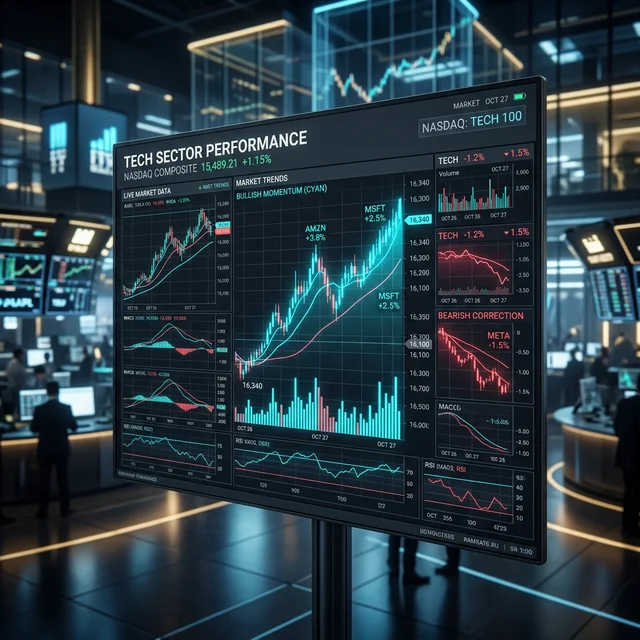
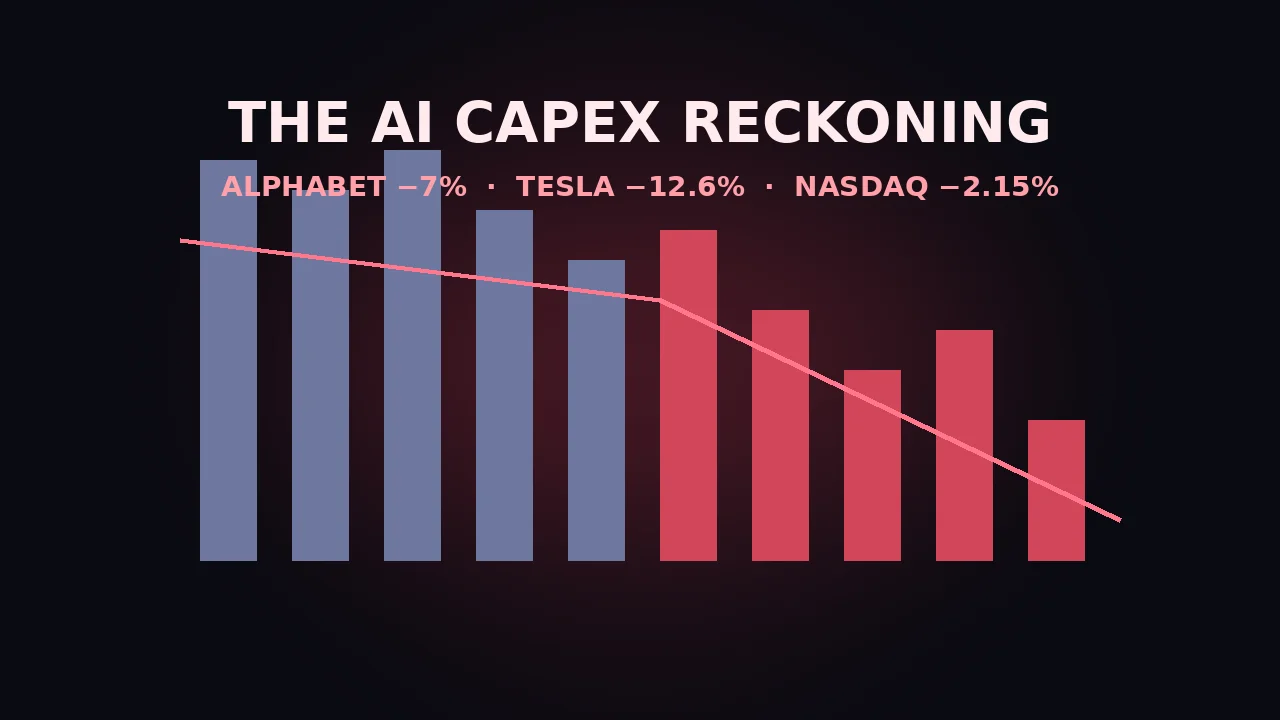
Despite the rapid adoption of AI, March 17, 2026, has seen the 'Magnificent Seven' face their most significant market correction since the initial AI boom began. Amazon and Microsoft, in particular, have seen their stock values dip as the reality of maintaining massive AI infrastructure begins to impact margins. The market is shifting from excitement about AI's potential to a rigorous demands for proven Return on Investment (ROI).
The Cost of Intelligence
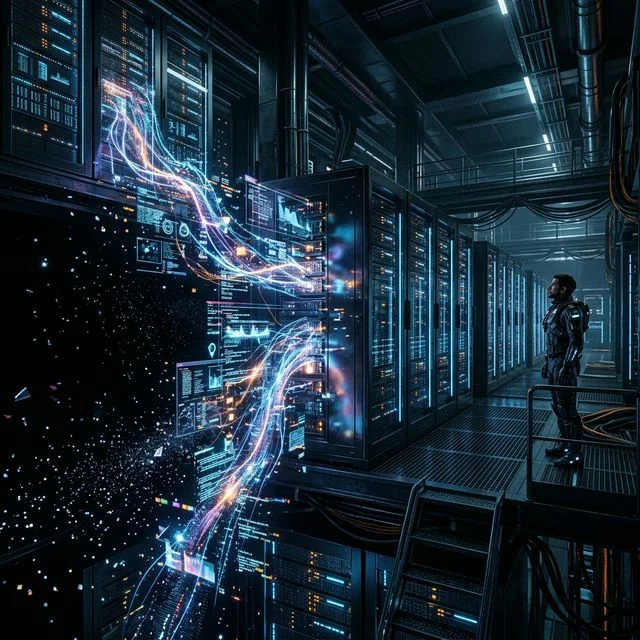
The correction stems from the astronomical capex requirements for next-generation data centers. As Meta and Google race to build 100-gigawatt facilities cooled by liquid nitrogen, the sheer scale of the investment is giving Wall Street pause. "We are seeing a maturation of the market," noted one lead analyst. "Investors still believe in the AI future, but they are no longer willing to fund it indefinitely without seeing proportional growth in enterprise revenue."
Strategic Pivot
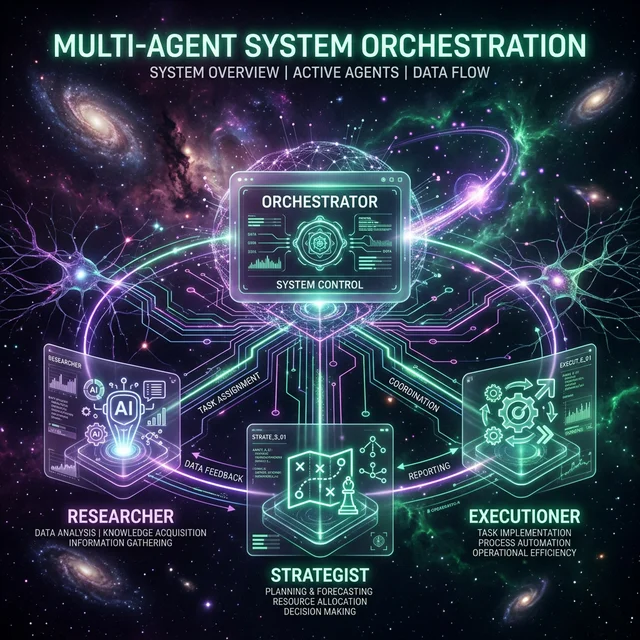
In response to the downturn, tech giants are pivoting their narratives toward 'Operational Efficiency.' The focus has shifted from building the largest models to building the most efficient agents. This 'Efficiency Era' of 2026 is expected to consolidate the market, with winners beingThose who can deliver agentic value at a fraction of today's compute cost. For now, the 'Magnificent Seven' remain the leaders, but the guardrails of fiscal responsibility have finally arrived at the edge of tomorrow.
The Selective Correction Across the Group
The Magnificent Seven's 2026 correction has been selective rather than uniform. As of mid-2026: Nvidia has retraced approximately 25% from its January 2026 high, driven by questions about whether AI capital expenditure growth can sustain GPU demand. Microsoft has declined roughly 12%, pressured by questions about OpenAI investment returns. Apple is roughly flat — less direct AI revenue exposure makes it a relative safe haven within the group.
Meta and Alphabet have held up better, with investors rewarding advertising revenue recovery that AI tools have driven. Tesla is down approximately 35%, driven more by EV market dynamics (Chinese competition, margin pressure) than AI concerns.
The Core Investor Debate
The key debate among equity analysts is whether AI infrastructure build-out — hyperscalers spending $200+ billion annually on capex — will generate sufficient revenue to justify the investment. Bulls argue the revenue is real and accelerating; bears argue ROI timelines are longer than markets have priced.
Historical Context
Technology sector corrections driven by capex uncertainty are not unusual. The late 1990s fibre optic and telecoms boom produced massive infrastructure build-out that eventually proved economically unjustifiable at the scale deployed. The crucial difference with AI: unlike dark fibre, the AI compute being built is already being used — the demand is real today, not hypothetical. The question is whether it grows into the implied future revenue, not whether current revenue exists.
Perspective for Individual Investors
The Magnificent Seven correction of 2026 is a normal part of technology investment cycles. Companies that lead a technological transition typically experience significant multiple expansion during the excitement phase, followed by contraction when execution requirements become clear and timelines extend. This is not a signal that AI is a failed technology — it is a signal that markets initially overpriced near-term revenue generation. Long-term investors who bought at reasonable valuations are experiencing volatility, not permanent loss of value, if the underlying AI revenue thesis remains intact — which the actual revenue data continues to support.



















































Commenting is currently unavailable on this article.