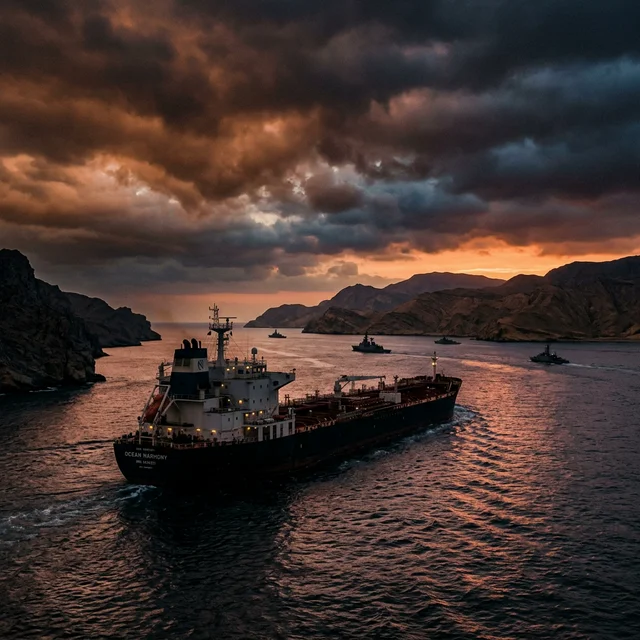
Geopolitical Tensions Paralyze Vital Waterway
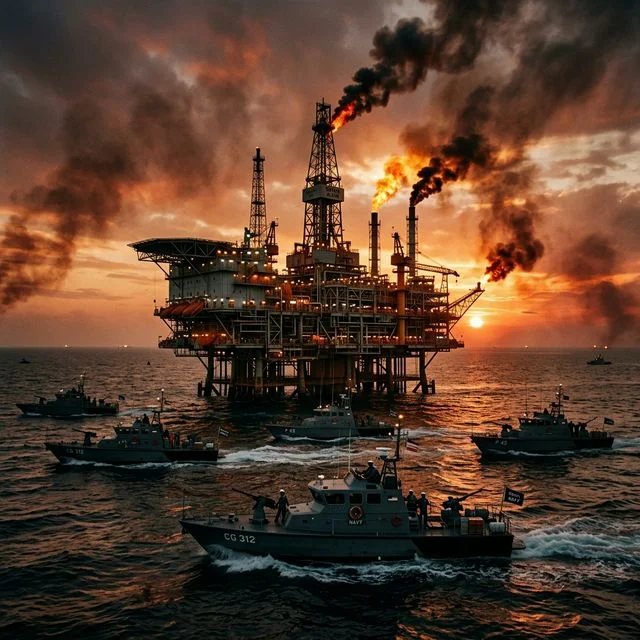
As of March 16, 2026, the global energy landscape is facing its most significant challenge in decades. The Strait of Hormuz, a critical chokepoint through which approximately 20% of the world's daily oil supply passes, has become the center of a severe geopolitical crisis. Recent military escalations between major powers have led to a near-complete halt in commercial shipping, sending shockwaves through international markets.
Unprecedented Supply Disruptions
The crisis, which intensified following military actions in late February, has seen oil flows through the Strait plummet from 20 million barrels per day to a mere fraction of that volume. The International Energy Agency (IEA) has projected a global oil supply plunge of 8 million barrels per day for the month of March alone. Major shipping conglomerates have suspended operations in the region, citing 'unacceptable risks' to vessels and crew.
Economic Fallout and Price Surges
The economic impact was instantaneous. Brent crude oil prices breached the $100 mark on March 8 and have since peaked at $126 per barrel—the highest level seen in four years. This 30% surge above pre-conflict levels is already being felt at gas pumps and by industries worldwide. Financial analysts warn that a prolonged disruption could trigger a systemic global recession, impacting everything from energy costs to fertilizer supply chains.
International Response and Emergency Measures
In an effort to stabilize the market, the United States and the IEA have announced the coordinated release of emergency oil reserves. However, experts caution that these reserves are only a temporary fix. "Emergency stocks can provide short-term relief, but they cannot replace the massive daily throughput of the Strait of Hormuz," stated a senior energy analyst. Diplomatic efforts at the United Nations are ongoing, but the path to de-escalation remains fraught with difficulty.
Future Outlook: A Growing Uncertainty
As military maneuvers continue in the Gulf, the future of global energy security hangs in the balance. The potential for naval mining and further maritime attacks keeps the international community on high alert. For now, the world remains braced for a sustained period of energy volatility, highlighting the delicate and often dangerous intersection of geopolitics and the global economy.
What the Oil Price Data Actually Shows
Since the Strait of Hormuz crisis began escalating in April 2026, Brent crude has moved from approximately $82 per barrel to a range of $105–$125, with the sharpest single-day moves tied to specific incidents: the first IRGC seizure of a commercial tanker (April 22, +$8.40/barrel on the day), the US retaliatory strikes on Iranian port facilities (May 14, +$11.20), and the strikes on Bahrain and Kuwait military sites (June, +$9.70).
The market has partially adapted. War risk insurance for vessels transiting the strait has increased approximately 400% since January. Several major shipping lines have rerouted voyages via the Cape of Good Hope, adding 10–14 days and significant fuel cost to Asia-Europe voyages. Cargo that would normally move by sea is increasingly moving by air or by overland routes through Central Asia where feasible.
Emergency Supply Response
The IEA coordinated an emergency oil release across member nations totalling approximately 60 million barrels — roughly 0.6 days of global consumption. Saudi Arabia, UAE, and Kuwait have agreed informally to increase production within their existing OPEC+ frameworks, but none wants to be seen openly aiding the US military position in the region. The practical production increases have been modest.
The Longer-Term Market Reconfiguration
Energy markets are beginning to price a sustained partial closure of the strait rather than a short-term incident. Asia-Pacific LNG import terminals, which relied heavily on Gulf LNG transits, are booking spot cargoes from US Gulf Coast and Australian suppliers at significant premium. European utilities are pulling forward LNG purchase agreements from 2027 planned imports. The disruption is being absorbed at high cost rather than overcome — a meaningful distinction for inflation and energy security planning across affected economies.







































































Commenting is currently unavailable on this article.