
The Unthinkable Pivot
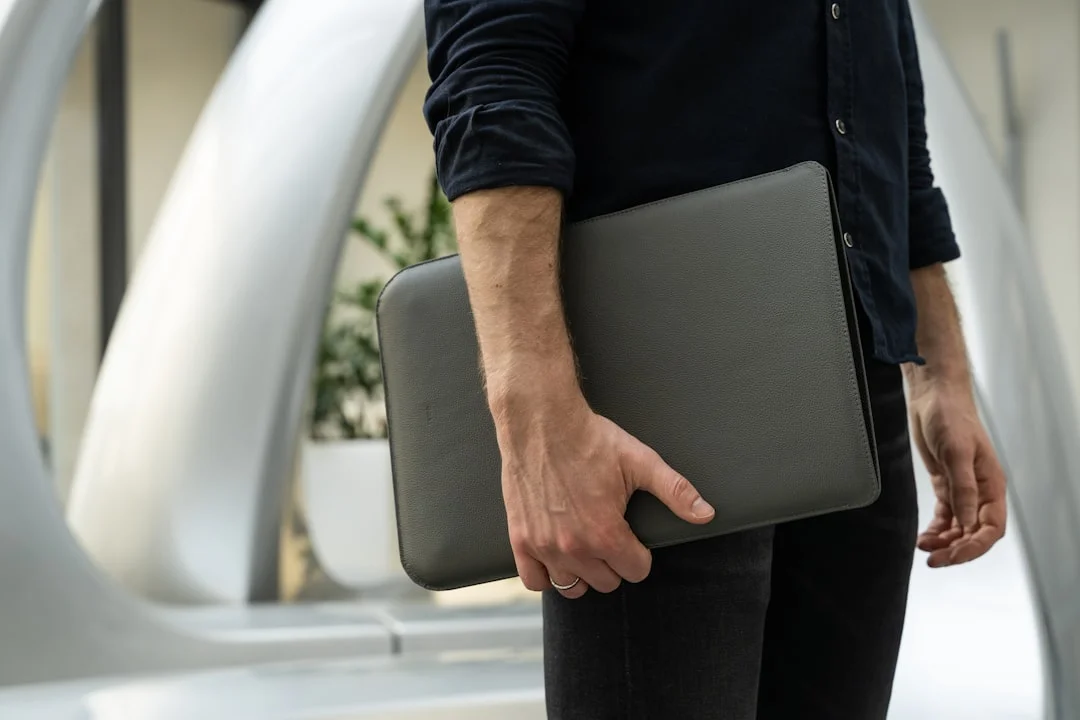
For decades, Apple was synonymous with tightly integrated, difficult-to-repair hardware. That era ended today with the launch of the MacBook Neo. Faced with mounting regulatory pressure and a shifting consumer mindset, Apple has embraced modularity. The Neo features a 'Snap-Latch' chassis that allows users to upgrade RAM, storage, and even the I/O ports in seconds.
Sustainability as Premium Design
Apple has successfully framed repairability not as a compromise, but as a premium feature. The MacBook Neo utilizes a recycled titanium frame and modular neuromorphic compute modules that can be swapped to keep the device at the cutting edge of AI performance for over a decade. This move sets a new standard for the industry, emphasizing longevity over planned obsolescence.
Changing the Tech Lifecycle
The impact on the secondary market is expected to be massive. By making their most popular pro-laptop repairable, Apple is essentially creating a 'perpetual machine.' This aligns with the broader Global Sustainability Initiatives of 2026. For the consumer, it means the end of the 'two-year upgrade cycle' and the beginning of a truly sustainable relationship with personal technology.















































































Join FuturEdge to share your thoughts on this article.