The Spatial Computing Showdown
In 2026, spatial computing is no longer a niche curiosity for early adopters. With headsets finding utility in remote offices, architecture studios, and home entertainment, the hardware has matured rapidly.
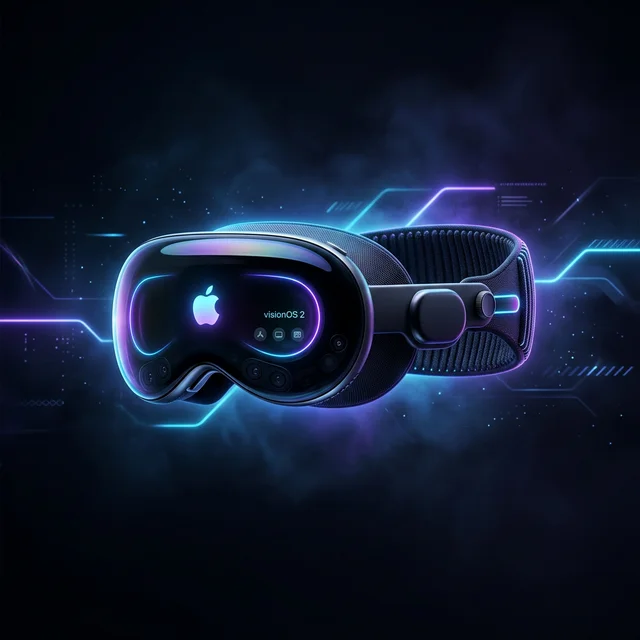
The market has consolidated into a head-to-head battle between two distinct philosophies: Apple's Vision Pro 2 and Meta's Quest Pro 2.
After spending two weeks testing both headsets in daily workflows, here is how they stack up.
Design and Comfort: The Weight Problem
The biggest complaint about first-generation spatial computing headsets was weight. Resting 600+ grams of metal and glass on a user's face caused fatigue within an hour.
Both manufacturers have made massive improvements:
- Apple Vision Pro 2: Apple reduced the weight to 480 grams by replacing the exterior aluminum shell with a lightweight carbon-composite frame and shifting more processing heat management to the external battery cable.
- Meta Quest Pro 2: Meta stayed at 440 grams but wins on balance. By keeping the battery mounted at the rear of the rigid head strap, the front goggles feel incredibly light, allowing for comfortable four-hour sessions.
Display and Passthrough Clarity
When it comes to visual fidelity, Apple remains the undisputed leader.
The Vision Pro 2 features dual 4K micro-OLED displays running at 120Hz, providing crisp text that makes reading documents feel identical to looking at a physical paper sheet. The passthrough latency is practically imperceptible.
The Meta Quest Pro 2 uses LC displays with mini-LED backlighting. While the contrast and color accuracy are excellent, text shows slight color fringing when compared directly to Apple's panels. However, Meta’s passthrough is highly responsive, with a wide field of view that makes navigating rooms feel natural.
Input: Hand Tracking vs. Physical Control
The two companies approach control inputs differently:
- Apple's Eye and Gesture System: The Vision Pro 2 tracks your eyes to select items and reads subtle finger pinches. In 2026, this system is incredibly refined, reacting instantly to look-and-tap actions.
- Meta's Self-Tracking Controllers: The Quest Pro 2 includes active stylus controllers that track themselves in 3D space. For creative tasks—like virtual modeling, drafting, or whiteboarding—having physical haptic feedback is far superior to Apple’s hands-only interface.
The Verdict
Your choice depends on your workflow. If you want the ultimate personal theater, high-end virtual monitors, and are already integrated into the iOS/macOS ecosystem, the Apple Vision Pro 2 is worth the premium price.
However, if you want a comfortable, productive workspace headset, need physical controllers for precise design, and prefer a balanced fit at a lower price point, the Meta Quest Pro 2 is the practical winner.



























































Commenting is currently unavailable on this article.