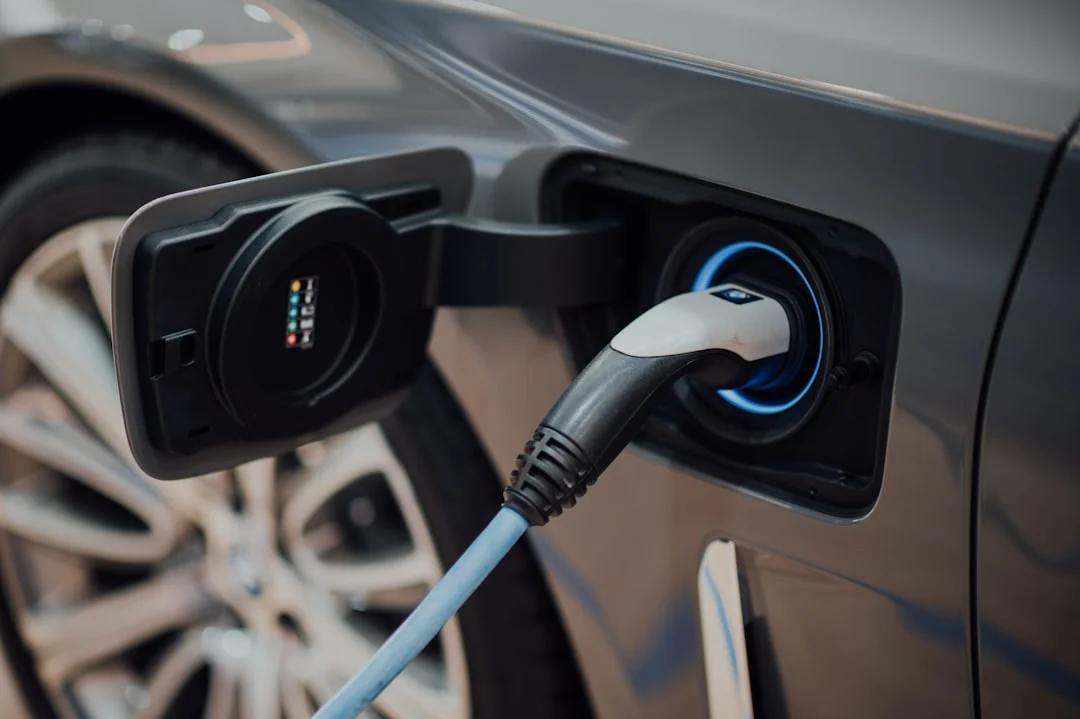
Honda's Bold Move: Abandoning EVs and Its Future in the Market
In a surprising move that has sent shockwaves through the automotive industry, Honda has announced it will discontinue its electric vehicle (EV) lineup for the U.S. market. This decision not only impacts Honda's immediate product offerings but also casts doubt on its long-term competitiveness in an increasingly electrified future.
Honda's decision to pull the plug on its three electric vehicles intended for the American market is a strategic pivot that has left industry experts and consumers alike questioning the company's direction. As the global automotive landscape rapidly shifts towards electrification, Honda's retreat from the U.S. EV market might signal a significant misstep in aligning with future consumer trends and environmental imperatives.
Key Details of the Story
The Japanese automaker's decision to cease production and sales of its electric vehicles in North America has been met with widespread surprise and skepticism. With major competitors like Tesla, Ford, and General Motors doubling down on electrification, Honda's withdrawal seems to be a step against the tide of the industry's transformation.
According to Honda, the decision was based on a comprehensive review of its strategic priorities and market conditions. However, the timing of this move could not be more critical, as federal regulations and consumer demand increasingly favor sustainable and zero-emission vehicles.
Honda's current EV lineup in the U.S. includes models such as the Honda e and the Clarity Electric, which have struggled to gain significant traction in a market dominated by more established players. Despite these challenges, many believed that Honda's engineering prowess and brand reputation could eventually secure it a solid foothold in the EV segment.
Background Information
The global push towards electric vehicles has been driven by a combination of regulatory pressure and consumer demand for environmentally friendly alternatives to traditional internal combustion engines. In recent years, the U.S. has seen a significant uptick in EV adoption, spurred by advancements in battery technology and increased public awareness of climate change issues.
Honda has historically been a leader in automotive innovation, particularly with its fuel-efficient internal combustion engines and hybrid technology. However, its late entry into the electric vehicle market and subsequent retreat raises questions about its ability to keep pace with industry transformations.
Conclusion
The implications of Honda's decision to abandon its U.S. EV lineup are profound. By stepping back from the forefront of electric innovation, Honda risks losing its competitive edge and alienating a growing segment of eco-conscious consumers. In an era where electrification is not just a trend but a necessity, Honda's strategic retreat may prove to be a costly miscalculation.
As automotive giants vie for dominance in the electric vehicle market, Honda's absence could open doors for competitors to capture market share and set the pace for future developments. Observers will be keenly watching how Honda adapts its strategy moving forward, as the stakes in the race towards an all-electric future have never been higher.



































































Commenting is currently unavailable on this article.