
Meta's Strategic Workforce Reduction
In a strategic pivot aimed at bolstering its investment in artificial intelligence and data infrastructure, Meta is reportedly preparing for another significant round of layoffs. According to a report from Reuters, the social media giant is contemplating reducing its workforce by as much as 20%, which would result in approximately 15,800 employees losing their jobs. This drastic measure comes on the heels of a previous, even larger wave of layoffs, where Meta let go of 22,000 workers between November 2022 and early 2023.
A Strategic Shift Towards AI
Meta's move to slash its workforce is reportedly driven by a need to reallocate resources towards the burgeoning field of artificial intelligence. The company has been making substantial investments to attract top-tier AI talent and expand its data center capabilities. This pivot signals a clear departure from its earlier focus on VR and metaverse projects, which have seen budget cuts and studio closures in recent months. These layoffs, if confirmed, would mark one of the most significant workforce reductions in Meta's history, following a pattern of tech companies reevaluating their strategies amidst economic uncertainties and shifting technological landscapes.
Background: Meta's Metaverse Retreat
Once at the forefront of the metaverse hype, Meta's recent actions suggest a tactical retreat from this ambitious digital frontier. Despite initial enthusiasm and substantial investment, the company has struggled to realize its vision of a fully immersive digital universe. The decision to pull back on VR and metaverse initiatives reflects broader industry challenges, including consumer adoption hurdles and economic pressures. In contrast, artificial intelligence offers a more immediate and lucrative opportunity. With AI technologies rapidly advancing and their applications expanding across industries, Meta's shift in focus could position it favorably in the long run.
Implications and Future Outlook
The anticipated layoffs at Meta highlight the volatile nature of the tech industry, where companies are constantly adapting to new trends and economic realities. For Meta, this restructuring could mark the beginning of a new era centered around AI-driven innovation. As the company reallocates resources and talent towards AI and data center development, the long-term implications could be transformative. However, the immediate impact on the workforce and the communities affected by these layoffs cannot be understated.
Industry-Wide Consequences
Looking ahead, Meta's strategic shift may serve as a bellwether for other tech giants contemplating similar moves. As AI continues to reshape industries, the race to harness its potential is likely to intensify, prompting companies to make difficult decisions about where to focus their efforts and resources.
What the Savings Are Actually Going Toward
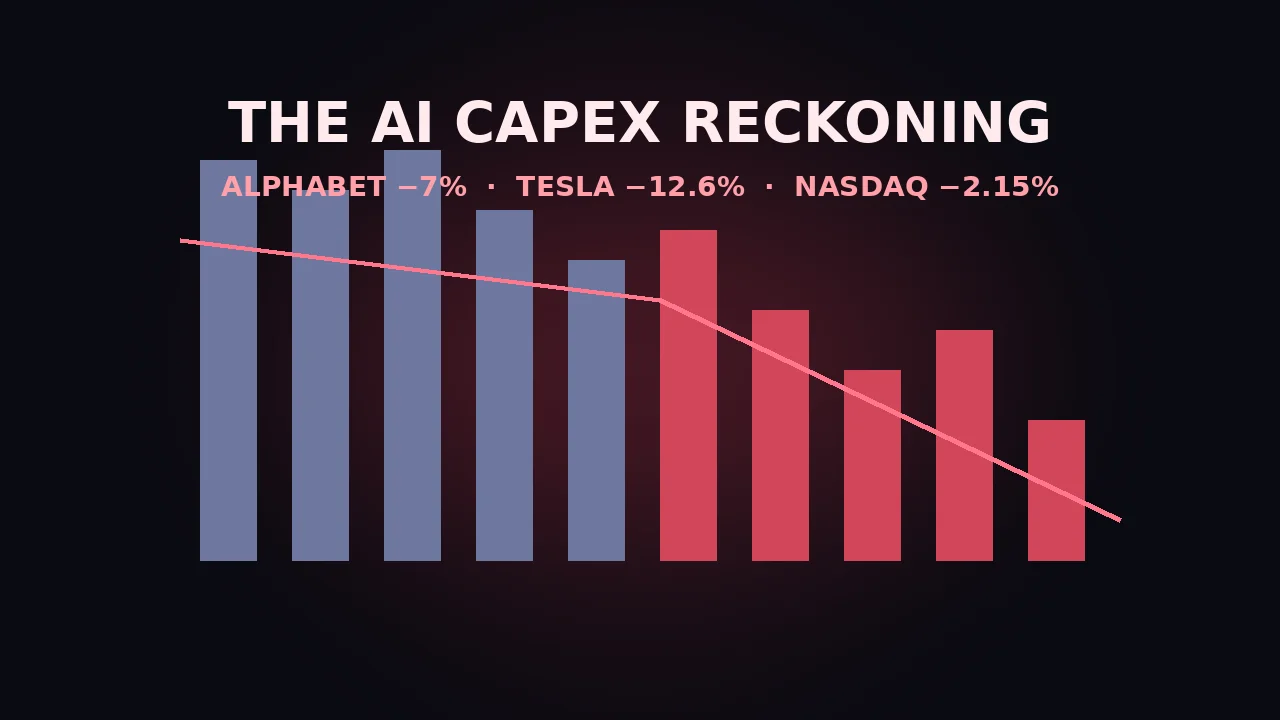
Meta has been explicit about its capital allocation: the workforce reduction savings are being reinvested primarily in AI infrastructure. In its January 2026 earnings call, Meta announced plans to spend $60–65 billion on capital expenditure in 2026, the largest single-year capital investment in the company's history. The overwhelming majority of that spend is data centre construction and GPU procurement — infrastructure for training and running Meta's AI models across Facebook, Instagram, WhatsApp, and Threads.
The product areas receiving the most AI investment are recommendation systems (which drive ad revenue), Llama model development (which Meta releases openly), and AI-powered advertising tools that allow small businesses to generate ad creative and targeting strategies without needing marketing expertise.
Is the Math Justified?
Meta's AI investments have produced measurable returns in the advertising business. The company has attributed roughly 20% of its Q4 2025 revenue growth to AI-driven improvements in ad targeting and recommendation relevance. If that relationship holds, $60 billion in AI capex at a 20% revenue uplift rate generates significant returns against Meta's approximately $160 billion annual revenue run rate.
The risk is that AI infrastructure investment has highly uncertain and long-tailed payoffs. The recommendation algorithm improvements are demonstrably working now. The Llama model investments and AI assistant rollouts have less clear monetization paths. Workforce reductions save roughly $2–4 billion annually at the scale Meta is executing — meaningful, but a fraction of the AI capex being invested.
The Broader Industry Signal
Meta's move has been studied closely by Google, Amazon, and Microsoft, all of which have their own ongoing workforce realignment programmes tied to AI investment priorities. The pattern across big tech in 2025–2026 is consistent: headcount growth has stalled or reversed in roles automatable by AI tools (certain engineering, customer support, and content moderation functions), while hiring in AI research, infrastructure engineering, and model deployment roles has accelerated.

































































Commenting is currently unavailable on this article.