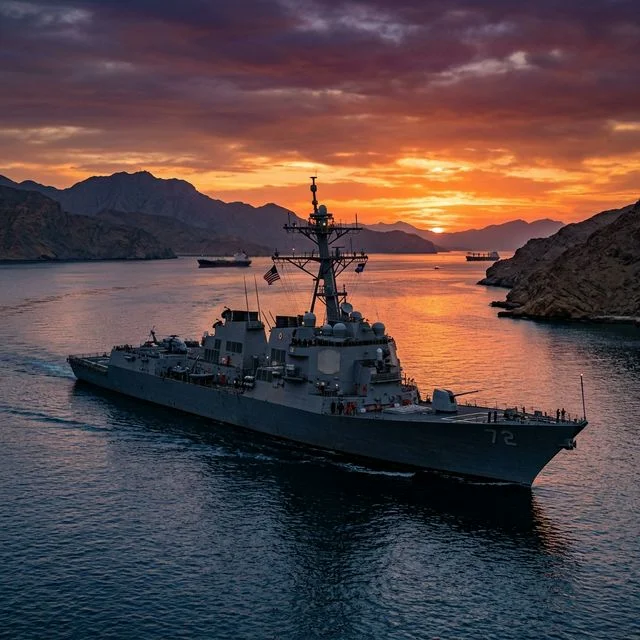
A Chokepoint That Lives Up to the Name
Roughly a fifth of the world's oil and a significant share of global liquefied natural gas trade pass through the Strait of Hormuz, a narrow waterway between Iran and Oman that has remained one of the most closely monitored points in global shipping through 2026, as regional tensions have continued to affect commercial traffic.
What's Actually Changed for Shipping
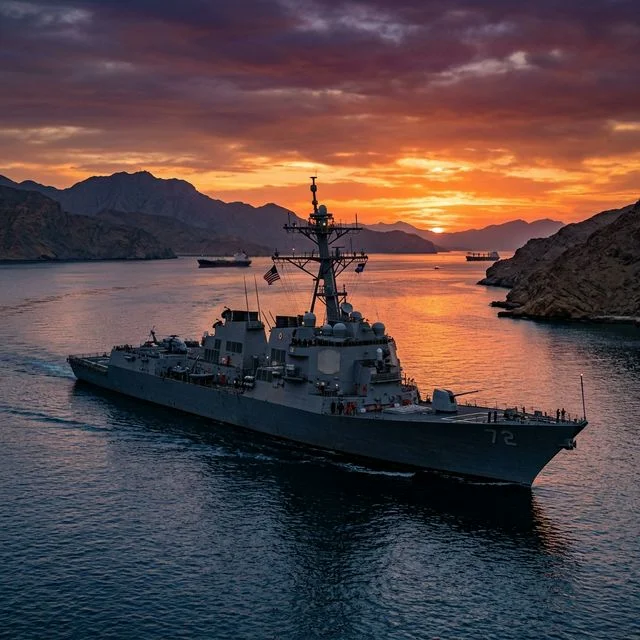
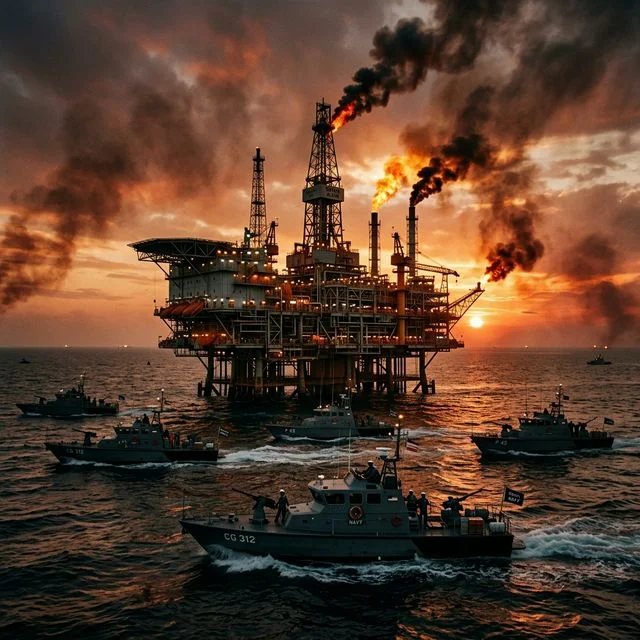
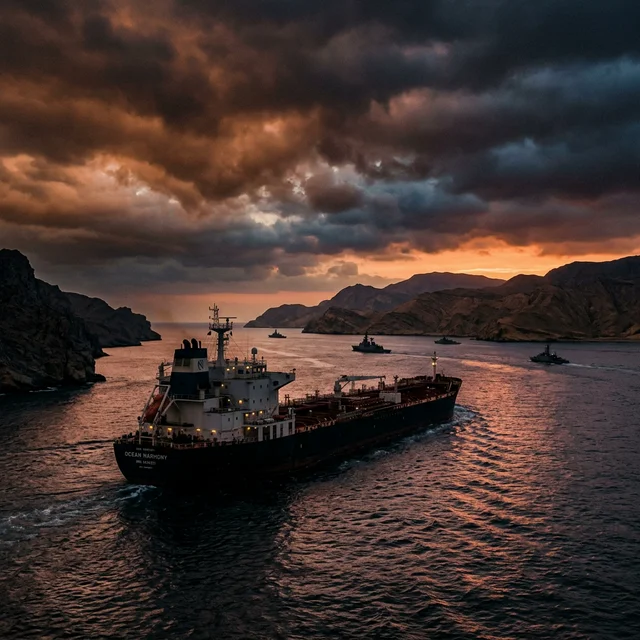
Vessel operators have increasingly relied on military escort arrangements and tightened insurance requirements for transit through the strait, both of which add real time and cost to voyages that previously moved with minimal friction. War-risk insurance premiums for tankers transiting the area have remained elevated compared to pre-2023 baselines, a cost that ultimately filters through to energy prices globally.
The Re-Routing That Hasn't Happened
Despite the disruption, there has been no large-scale permanent re-routing of regional energy exports away from the strait — the alternative pipeline capacity bypassing Hormuz remains limited relative to total regional export volume, meaning most shipping continues through the chokepoint rather than around it, accepting the added cost and risk as the less bad option.
Why This Keeps Showing Up in Headlines
Even relatively minor incidents — a vessel seizure, a naval encounter, an escalatory statement — tend to produce outsized market reactions because of how concentrated global energy flows are through this single route. That sensitivity makes the strait a recurring flashpoint story even during periods when actual shipping disruption is limited.
The Practical Bottom Line
Global energy markets have adapted to operating with this chokepoint risk priced in on an ongoing basis rather than treating it as a one-off crisis, but that adaptation comes at a real, sustained cost passed on to shippers and ultimately consumers — and it leaves global energy markets meaningfully exposed if tensions in the region escalate further.
The Numbers Behind the Chokepoint
The Strait of Hormuz is 21 miles wide at its narrowest navigable point, with two 2-mile traffic separation lanes (one inbound, one outbound) and a 2-mile separation zone between them. Approximately 20–21 million barrels of oil pass through the strait daily, representing roughly 20% of total global oil trade. About 3.5 billion cubic feet of LNG also transits daily, representing approximately 20% of global LNG trade.
The countries most dependent on Hormuz transit for their oil supply are Japan (approximately 80% of oil imports via the strait), South Korea (75%), India (50%), and China (40%). European dependence is lower but not negligible — roughly 15–20% of European oil imports originate from Gulf producers and transit via the strait before being rerouted to Europe.
What "Partial Closure" Actually Means
Iran has not formally closed the Strait of Hormuz since 2012 threats proved too costly (Iranian oil exports also transit the strait). The current disruption is better described as "practical closure for commercial vessels without naval escort" — insurers have declared the strait a war zone, most commercial operators have suspended voluntary transits, and the remaining transit traffic is heavily escorted and significantly reduced from normal volumes.
The physical flow restriction has been estimated at approximately 35–40% of normal Hormuz transit volume, based on AIS vessel tracking data showing tanker transits at their lowest since 2012.
How the Market Is Adapting
Energy companies have been activating contingency infrastructure. Saudi Arabia's East-West Pipeline (capacity: 5 million barrels per day) routes crude westward to the Red Sea port of Yanbu, bypassing the strait for Saudi exports. The UAE's Habshan-Fujairah pipeline (capacity: 1.5 million barrels per day) does the same for UAE crude. Combined, these pipelines can bypass roughly 6.5 million barrels per day — significant but well below the normal Hormuz transit volume.
































































Commenting is currently unavailable on this article.