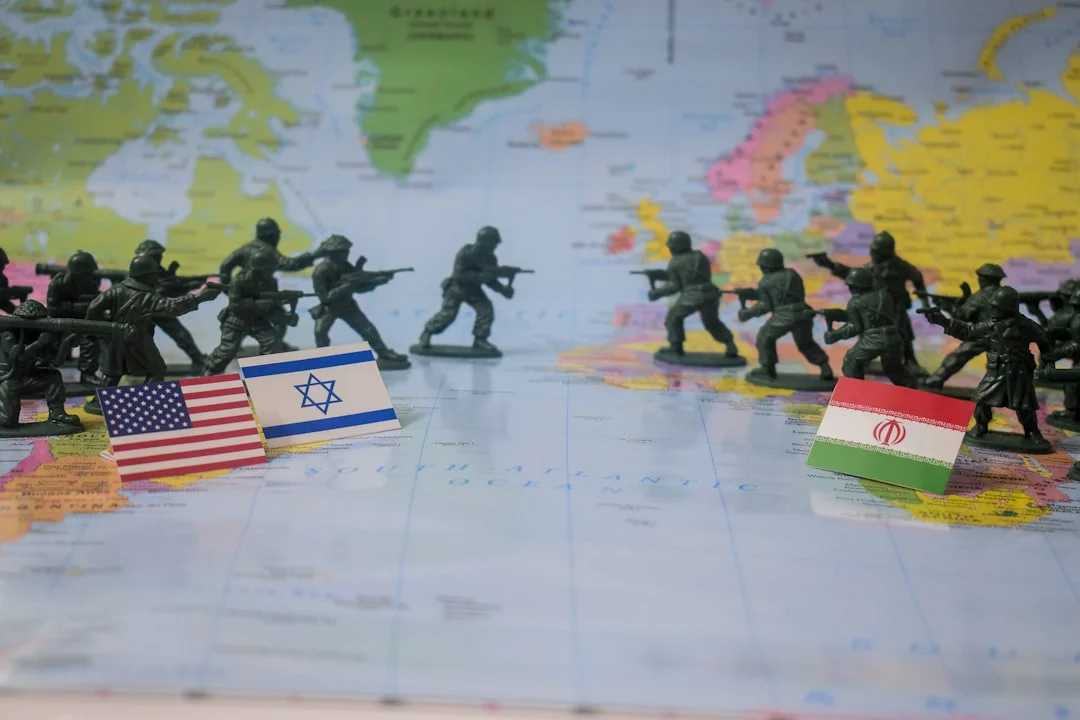
Sanctions Lead to Rising Global Tensions
As the world enters mid-March 2026, the atmosphere of international diplomacy is fraught with tension. A new wave of international sanctions has been levied by Western powers against several countries, including Russia and China, in a bid to curb aggressive foreign policies and alleged human rights violations. This decisive move has been met with sharp criticism and retaliatory measures, marking a new phase of geopolitical strain.The Sanctions at a Glance
The latest sanctions announced by the United States, the European Union, and several allied nations target key sectors of the Russian and Chinese economies. The sanctions include restrictions on financial transactions, a broadened embargo on technology exports, and a comprehensive freeze on assets held by key individuals linked to alleged state-sponsored cyber activities. "These measures are critical to maintaining global security and upholding international law," stated U.S. Secretary of State, Alex Carter, during a press conference.In response, both Russia and China have condemned the sanctions as "unwarranted" and "provocative." The Russian Foreign Ministry issued a statement declaring, "Russia will not yield to external pressure and will take all necessary steps to protect its sovereign interests." Meanwhile, China has accused the West of engaging in "economic warfare" and has initiated counter-sanctions targeting several major American and European corporations.
Background to the Increasing Tensions
The roots of this escalating situation trace back to a series of incidents over the past few years. Russia's continued military presence in Eastern Europe, particularly in Ukraine, has been a flashpoint, drawing criticism and sanctions from Western countries. Similarly, China's assertive policies in the South China Sea and its growing influence in the Indo-Pacific region have raised alarms. Allegations of cyber espionage originating from both countries have further deteriorated relations.The sanctions come amidst a backdrop of an intensely competitive global environment, where economic and military power struggles are defining the terms of international relations. The geopolitical landscape is further complicated by alliances and regional conflicts, making any resolution challenging and multifaceted.
Implications for the Future
The impact of these sanctions is expected to reverberate across the global economy, affecting trade, investment, and diplomatic relations. Experts warn that prolonged trade restrictions could lead to supply chain disruptions and inflationary pressures worldwide. "We are entering a precarious phase where the risk of escalation is significant," notes Dr. Emily Harper, a leading expert in international relations at the University of Cambridge.As the world watches closely, the hope remains that diplomatic channels will prevail over confrontation. The coming months will be crucial in determining whether these tensions will de-escalate or further plunge the world into an unprecedented era of geopolitical conflict. With key summits planned later this year, the international community awaits measures that could either bridge divides or deepen existing rifts.

















































Commenting is currently unavailable on this article.